
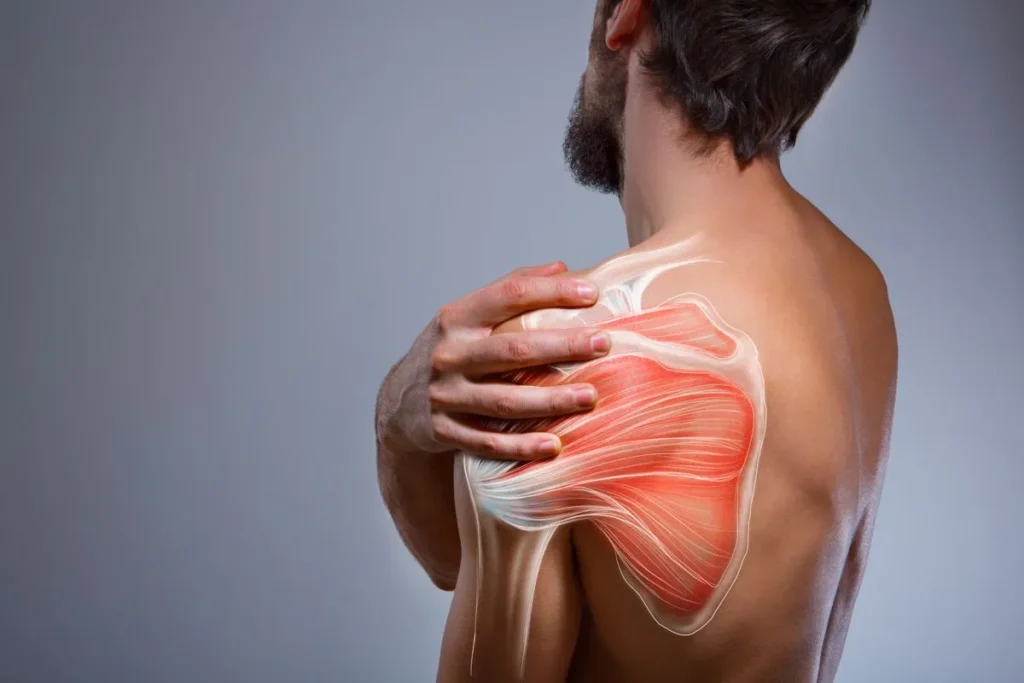
Muscle spasticity affects millions of people worldwide. It causes painful stiffness and limits how well they can move. Antispasticity medications help by reducing muscle contractions and tone. This gives patients real relief. These anti spasticity drugs are proven to reduce muscle spasms effectively. Find the best medication to regain control of your movement.
It’s important for patients to know about muscle relaxants for spasticity. GoldCity Center offers top-notch care for spasticity. They use different anti-spasticity drugs to help symptoms and improve function.
Key Takeaways
Spasticity is a big challenge that needs a full treatment plan.
Antispasticity medications work on the spinal cord or muscle cells to reduce muscle tightness and spasms.
Baclofen is a common drug for spasticity in patients with multiple sclerosis or spinal cord lesions.
There are many medicines to fight involuntary muscle contractions and excessive tone.
GoldCity Center offers world-class expertise in treating spasticity.
Understanding Spasticity as a Clinical Challenge

Spasticity is a big problem in hospitals. It makes muscles stiff and causes spasms. This happens because of upper motor neuron dysfunction, which messes up muscle control.
Upper Motor Neuron Dysfunction and Muscle Stiffness
Spasticity is a complex issue in the nervous system. Upper motor neuron lesions stop muscles from working right, leading to stiffness and spasms. It can be caused by things like multiple sclerosis, spinal cord injuries, and cerebral palsy.
Dealing with spasticity needs a mix of treatments. This includes muscle spasticity treatment and antispasmodic drugs for muscle spasm. Each treatment plan is made for the patient, aiming to lessen stiffness and help them move better.
Impact on Patient Functionality and Quality of Life
Spasticity really affects how well patients can function and their quality of life. Muscle stiffness and spasms make it hard to move, cause pain, and make everyday tasks harder. So, doctors need to understand how spasticity affects patients to help them better.
Using the right leg spasms medication and other spasticity medication can help a lot. It makes patients feel better and helps them do more things in their daily lives.
7 Effective Anti Spasticity Drugs for Treatment
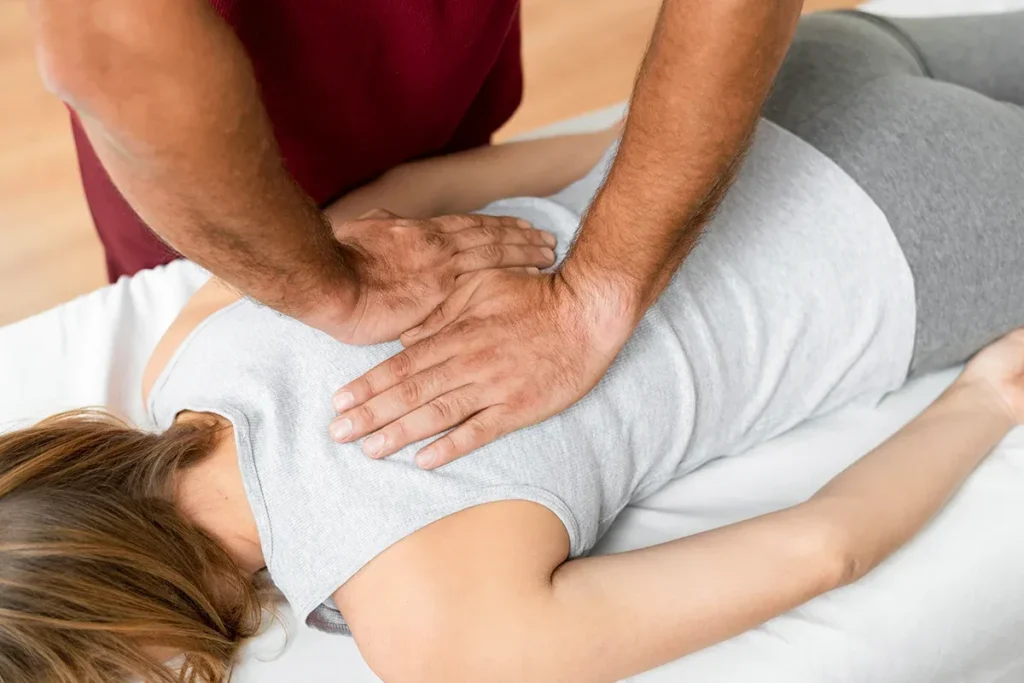
Managing spasticity needs a mix of treatments, and medicine is key. Many drugs help ease spasticity symptoms. This improves life for those affected.
1. Baclofen: First-Line Oral Treatment
Baclofen is a top choice for treating spasticity. It works on the brain to reduce muscle stiffness and spasms. Studies show it helps those with multiple sclerosis and spinal cord injuries.
“Baclofen has been a cornerstone in the management of spasticity for decades, providing significant relief to patients suffering from this debilitating condition,” a leading neurologist notes.
2. Tizanidine: Managing Intermittent Spasticity
Tizanidine helps manage spasticity, mainly for those with occasional symptoms. It blocks nerve impulses to the brain, easing muscle spasms.
3. Dantrolene: The Peripheral Muscle Relaxant
Dantrolene works differently by relaxing muscles directly. It stops calcium ion release. This makes it good for spasticity not helped by other treatments.
4. Intrathecal Baclofen Therapy
For severe spasticity not helped by pills, intrathecal baclofen therapy is an option. It delivers baclofen straight to the spinal fluid for targeted relief.
These medicines are a big step forward in treating spasticity. They offer patients many treatment choices based on their needs.
Conclusion: Selecting the Appropriate Spasticity Medication
Choosing the right anti spasticity medication is key to managing spasticity well. Different drugs like baclofen, tizanidine, and dantrolene have their own benefits and side effects. It’s important to know what the patient needs and why they have spasticity to pick the best treatment.
Talking to a healthcare professional is a must to find the right spasm medicine. They will look at how severe the spasticity is and suggest the best option. This way, patients can see big improvements in their muscle tone and life quality.
By picking the best treatment, people can live more confidently and freely from spasticity’s hold. This journey starts with the right advice and treatment plan. It leads to a brighter and more fulfilling life.
FAQ
What is spasticity and how is it treated?
Spasticity is when muscles stay tight because of too much contraction. It’s treated with medicines, physical therapy, and other methods. These help manage symptoms and improve life quality.
What are anti-spasticity drugs used for?
Anti-spasticity drugs help with muscle stiffness, spasms, and rigidity. They’re used for conditions like multiple sclerosis, spinal cord injuries, and cerebral palsy.
Which medication is commonly used to treat spasticity?
Baclofen is often used to treat spasticity. It relaxes muscles and reduces spasms.
What are the possible side effects of anti-spasticity medications?
Side effects of these medications can include feeling drowsy, dizzy, or weak. This depends on the drug.
How do muscle relaxants help with spasticity?
Muscle relaxants, like tizanidine and dantrolene, reduce muscle tone. They help relieve spasms.
Can intrathecal baclofen therapy be used to treat severe spasticity?
Yes, intrathecal baclofen therapy is for severe spasticity. It delivers baclofen directly into the spinal fluid.
What should I consider when selecting a spasticity medication?
When choosing a medication, think about the cause of spasticity and how severe it is. Also, consider any interactions with other drugs. Always talk to a healthcare professional for the best treatment plan.
Are there any alternative treatments for spasticity beside medication?
Yes, there are other treatments like physical and occupational therapy. These can help manage symptoms and improve function.
References
National Center for Biotechnology Information. Evidence-Based Medical Insight. Retrieved from https://pubmed.ncbi.nlm.nih.gov/37313540/





