
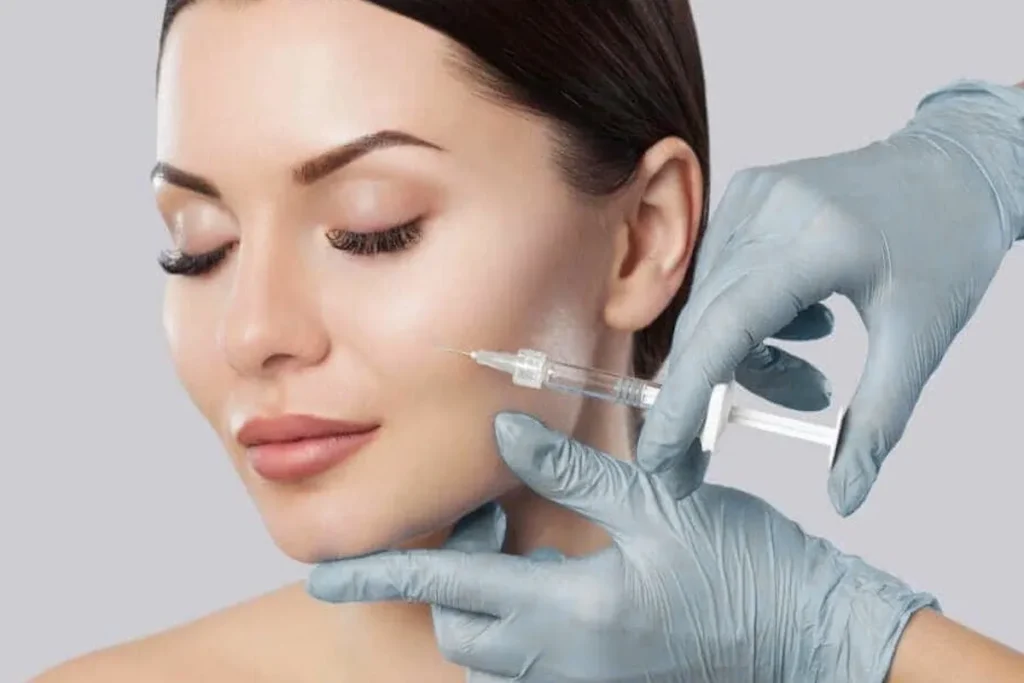
Getting dermal fillers in your face can change how you look. But, some areas of the face are riskier than others. It’s key to know these critical areas.
The cheeks have important arteries and nerves. This means you need precision and expertise when getting fillers. At GoldCity Center, experts follow strict safety rules. They make sure the treatment is safe and works well.
Dermal fillers are getting more popular. It’s important to know the risks and find qualified doctors. This way, you can get the look you want without harming your health.
Key Takeaways
Understanding the risks associated with dermal filler injections is important.
Trained specialists follow strict safety rules to avoid problems.
GoldCity Center is dedicated to top-notch care, following international standards.
Finding a skilled doctor is key to getting the look you want.
Knowing the risks helps keep you healthy overall.
The Rising Popularity and Risks of Facial Fillers
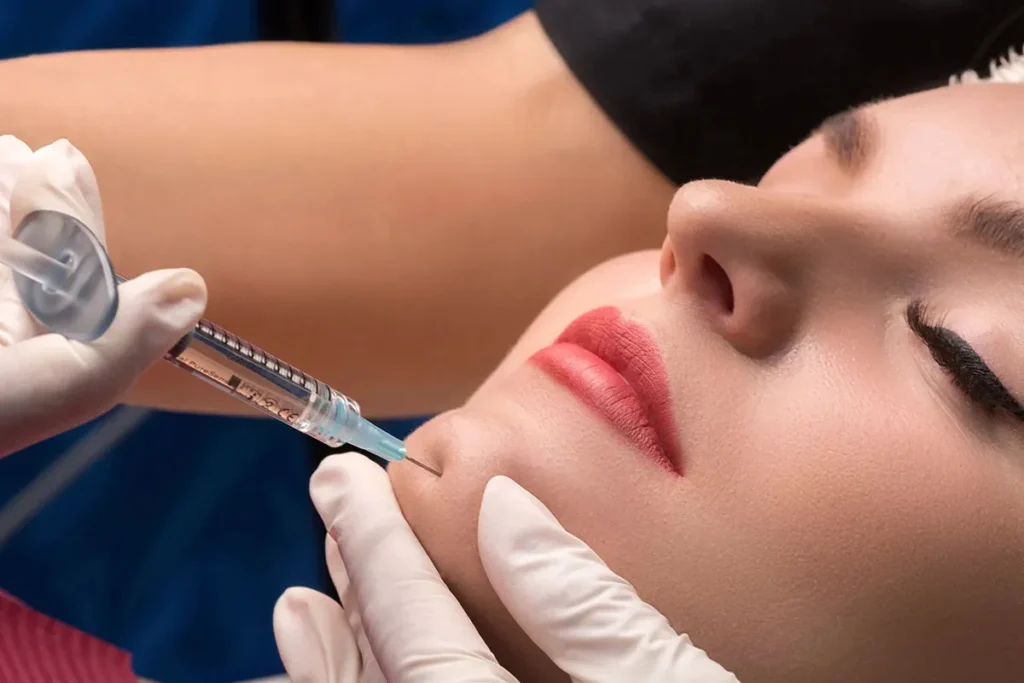
Every year, about 3 million people get facial fillers in the U.S. This shows how popular they are. But, like any medical treatment, they come with risks. They are known for making your face look radiant and youthful.
Current Statistics on Filler Treatments in the United States
More and more people are getting cheek and jaw fillers. This has led to a big increase in procedures. Many want to look younger and enhance their facial features.
Key statistics include:
A lot more filler treatments are happening every year.
More people are getting fillers along with other cosmetic treatments.
It’s very important to choose a qualified doctor to avoid risks.
Common Causes of Complications
Facial fillers have many benefits but also risks. Problems can happen for several reasons. For example:
Some common issues include:
Injecting into important arteries can cause blockages and tissue death.
Using fake or not approved fillers.
Doctors who are not well-trained or experienced.
The Importance of Qualified Practitioners
Choosing a skilled doctor is very important. A good doctor can make sure you have a safe and effective treatment.
“Your safety is our top priority,” should be what all doctors say. It’s key to find a trustworthy doctor for any cosmetic treatment, like cheek and jaw fillers.
By picking a qualified doctor and knowing the risks, you can enjoy facial fillers safely. This way, you can get the benefits without the dangers.
Cheek Filler Danger Zones: Critical Anatomical Areas
[Add image ]
Cheek fillers are popular but come with risks. The cheek area is complex, with many vital structures. If these are harmed, serious problems can occur. It’s key for practitioners to know these areas well for safe treatments.
Vital Facial Arteries in the Cheek Region
The cheek is full of blood vessels, like the angular and dorsal nasal arteries. These arteries are important because they supply blood to the face, including the eyes. Injecting fillers near these arteries can cause serious problems, like blockages and permanent damage.
The angular artery is a big risk because it’s close to the nose and can affect the eyes.
High-Risk Injection Areas to Avoid
Some facial areas are riskier for fillers because of their blood vessels and close proximity to important structures. The nasolabial folds, tear troughs, and temples are among these. Practitioners need to be careful and use precise techniques to avoid issues.
The nasolabial folds are risky due to their proximity to the facial artery and its branches.
The tear trough area is delicate because of its proximity to the orbital rim and the infraorbital artery.
The temples are risky due to the presence of the superficial temporal artery.
Vascular Occlusion and Tissue Necrosis Risks
Vascular occlusion happens when filler gets into an artery, blocking blood flow. This can cause tissue necrosis, where tissue dies from lack of blood. The risk of vascular occlusion and tissue necrosis is a serious concern and can lead to scarring and disfigurement.
Knowing the cheek’s critical areas is key for safe filler injections. By understanding the vital arteries, avoiding risky areas, and knowing the dangers of blockages and tissue death, practitioners can reduce risks and get better results.
Conclusion: Safety Protocols for Cheek Filler Procedures
To avoid risks with cheek fillers, knowing the danger zones is key. Keeping at least 1.5 centimeters away from major arteries is vital. This step helps prevent serious issues like vascular occlusion and tissue necrosis.
Choosing a skilled provider is essential for safe and natural results. Experts use careful injection techniques to ensure safety. It’s important to talk to specialists about risks and plan your treatment.
By focusing on safety and expertise, you can enjoy cheek fillers’ benefits safely. Embracing beauty means welcoming all skin types and ages. With the right approach, cheek fillers can enhance your natural beauty.
FAQ
Are cheek fillers safe?
Cheek fillers can be safe. This is true when a skilled practitioner administers them. They must know the face’s anatomy and use safe techniques.
What are the danger zones for cheek fillers?
Danger zones for cheek fillers include areas with vital arteries. These are the infraorbital and facial arteries. Injecting here can cause serious problems like vascular occlusion or tissue necrosis.
What are the risks associated with dermal filler injections?
Risks include bruising, swelling, and infection. There’s also a chance of vascular complications. These can happen in high-risk areas.
How can I minimize the risks of cheek fillers?
To lower risks, choose an experienced practitioner. Follow their advice on pre- and post-procedure care.
Can I get cheek fillers if I have a history of facial surgery?
If you’ve had facial surgery, talk to a qualified practitioner first. They can assess risks and suggest the best treatment for you.
Are there any alternatives to cheek fillers?
Yes, there are alternatives. Options include jaw fillers or non-invasive treatments like chemical peels. The choice depends on what you want.
How do I know if I’m a good candidate for cheek fillers?
To find out, talk to a qualified practitioner. They will look at your face, skin, and medical history. They’ll then suggest the best treatment for you.
What are the signs of complications from cheek fillers?
Signs of complications include severe pain, swelling, and bruising. Also, watch for changes in skin color like pallor or cyanosis. If you see these, get medical help right away.
Can I get Botox in the same area as cheek fillers?
You can get Botox and cheek fillers together. But, know the danger zones for Botox. These are areas with certain facial expressions or near vital structures.
How long do cheek fillers last?
Cheek fillers’ duration varies. It depends on the filler type, individual factors, and the practitioner’s skill. Results can last from months to years.
References
Cheek Filler Danger Zones: Best Safety Guide
https://pmc.ncbi.nlm.nih.gov/articles/PMC11241601/





