

Many people worry that lip fillers will make their lips hard forever. But, the first hard feeling is just a normal part of healing. When you get lip fillers, your lips might feel hard and bumpy at first. This is because of swelling, bruising, and the new filler settling in.
Does lip filler make your lips hard or lumpy? Understand what to expect after your treatment and how to ensure soft, perfect results.
At GoldCity Center, we get these worries and want to help. We focus on teaching you what to expect during your lip filler journey. Knowing about the lip filler swelling stages helps make your recovery smoother.
Key Takeaways
Lip fillers do not permanently harden lips in most cases.
Initial firmness is mainly because of swelling and bruising after the injection.
Lips will start to feel softer and more natural as they heal.
Understanding the healing process is key for a smooth recovery.
Clear communication and teaching patients are important for a good lip filler experience.
The Truth About Lip Fillers and Hardness
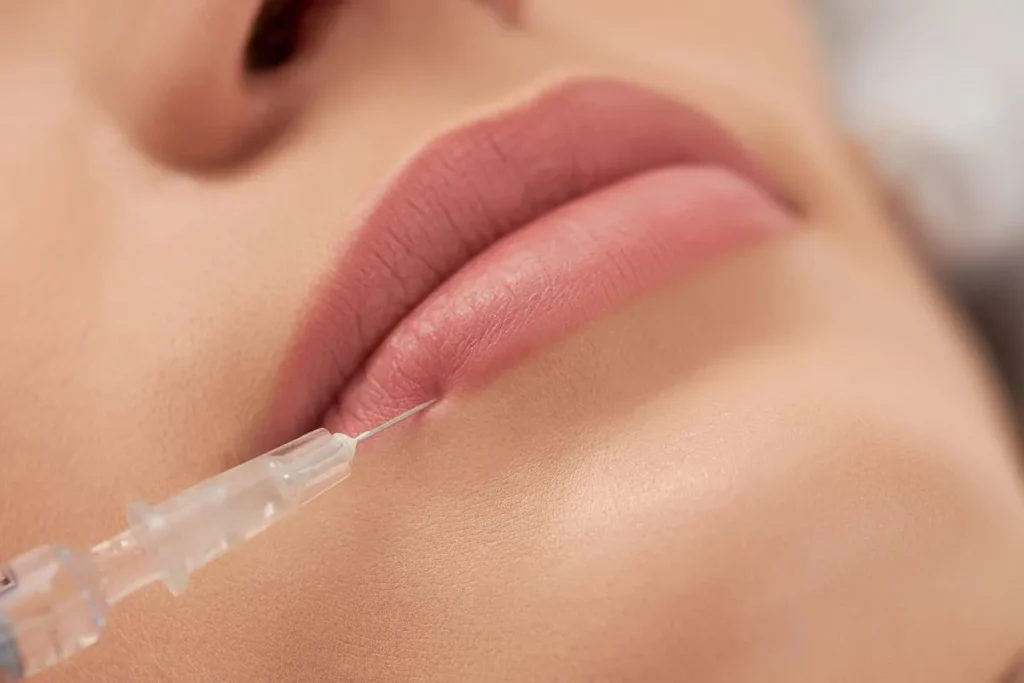
Many people worry if lip fillers will make their lips feel hard or unnatural. The truth is in how your body reacts to the filler and the difference between short-term and long-term effects.
Initial Sensations After Injection
Right after the injection, you might feel swelling, bruising, and numbness. Your lips might look too full, but this is just a short-term issue. To ease these feelings, try using cold compresses for 10 minutes each hour. Most people find their lips feel more natural as the swelling goes down.
Temporary vs. Permanent Effects
The initial firmness and hardness usually go away within a few days to two weeks. As your body heals, your lips should feel natural again. Remember, some slight firmness might stick around, but it’s not permanent. Most people say their lips feel natural once they’ve fully healed.
To avoid long-term hardness, pick an experienced provider and follow their aftercare advice carefully. This way, you can enjoy lip fillers without your lips feeling unnatural.
Does Lip Filler Make Your Lips Hard? Understanding the Healing Process
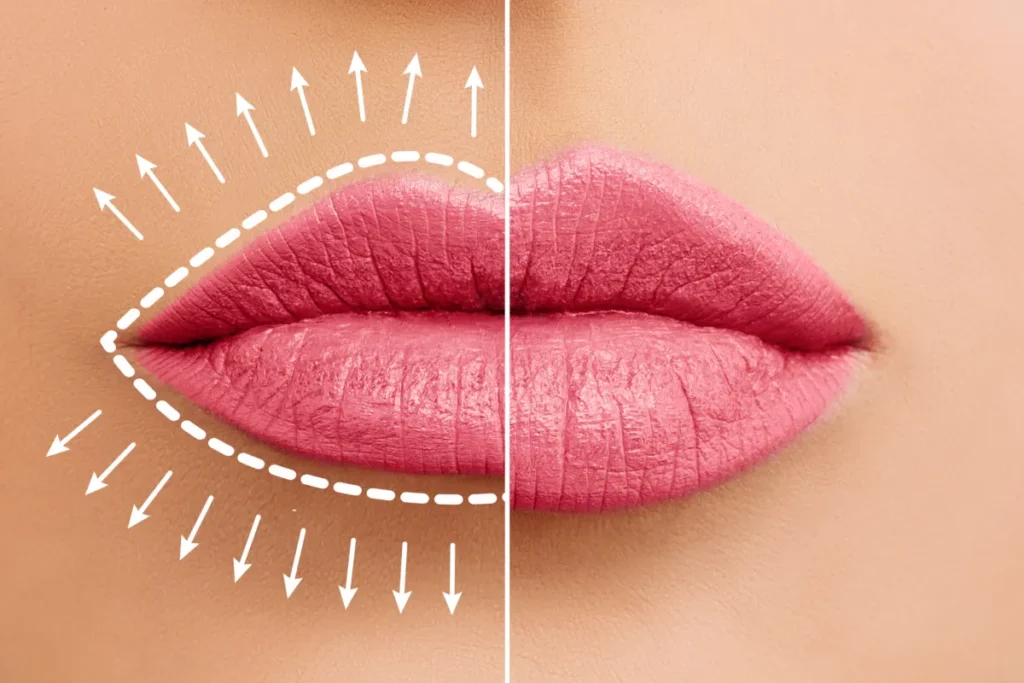
Knowing how to recover from lip filler is important. After getting lip fillers, your lips might feel firm and swollen. But don’t worry, this is just part of the healing process.
Why Lips Feel Firm Immediately After Treatment
Right after lip filler, your lips might feel firm. This is because your body is reacting to the injection. This reaction is temporary and usually goes away in a few days. The filler also makes your lips fuller, adding to the firmness.
It’s important to take good care of your lips after treatment. Doing what your provider tells you can help your lips feel softer faster. This makes the healing process smoother.
Normal Timeline for Softening
It usually takes 10 to 14 days to see the full effect of lip fillers. The best results come after 14 days, when your lips are fully healed and soft. Be patient, as your lips will keep getting softer.
Lip filler swelling stages follow a predictable recovery path.
Initial inflammation subsides within a few days.
Final settling occurs between 10 to 14 days post-injection.
After healing, you can enjoy your lip fillers for 6 to 9 months. Staying healthy and following aftercare can make the results last longer. By understanding the healing process and being patient, you can get the look you want from your lip fillers.
Factors That Influence How Your Lips Feel After Filler
How your lips feel after getting fillers can vary. Different things can affect this. Knowing these can help you know what to expect and get better results.
Injection Technique and Provider Skill
The way your provider injects the filler matters a lot. A good injector can make your lips look better and feel less sore. It’s important to pick a skilled provider for the best look and feel.
Filler Type and Amount Used
The type and amount of filler used also play a big role. Different fillers feel and look different. Some give more volume, while others make your lips feel hydrated. Choosing the right one depends on what you want. Also, using the right amount is key to avoid feeling too full or looking unnatural.
Individual Body Response
Everyone reacts differently to lip fillers. Things like how sensitive your skin is and your overall health can change how you heal. Some people might get more swelling or bruising. Knowing your body’s unique response can help you get ready for healing.
Managing Firmness During Recovery
It’s important to manage how firm your lips feel while they’re healing. Gentle massage, as your provider suggests, can help spread the filler and reduce swelling. Massaging your lips after getting fillers can also make them feel softer and help you heal faster. Following your provider’s aftercare advice is also key to avoiding problems and getting the best results.
By thinking about these factors and working with a good provider, you can get lips that look and feel natural. Remember, being patient and taking good care of your lips after treatment is important for a great outcome.
Conclusion: What to Expect From Your Lip Filler Journey
Starting your lip filler journey? It’s key to know what to expect. Your lips might feel firm or sore right after. But don’t worry, this feeling goes away soon.
Lips usually feel sore for a few days. Most people see the best results around two weeks later.
So, when do lip fillers settle? It usually takes two to four weeks for them to feel natural. Swelling, bruising, and uneven texture will fade during this time. Be patient and let your lips adjust fully.
If you’re not happy with the firmness or unevenness after two weeks, talk to your injector. They can help figure out what to do next.
Wondering where lip filler goes over time? As your body absorbs it, your lip shape and fullness will change. Choosing a skilled provider and following care instructions will make your experience great. You’ll love how it enhances your natural beauty.
FAQ
Does lip filler make your lips hard?
Yes, lip fillers can make your lips feel hard at first. This is because of swelling and how your body reacts to the injection. But, this hardness usually goes away as your body heals.
How long does it take for lip filler to settle?
It can take a few days to a week for lip fillers to settle. During this time, the swelling will go down, and your lips will start to feel softer and more natural.
Why do my lips feel hard after lip filler?
Your lips might feel hard after lip filler because of how your body reacts. This includes swelling, bruising, and the filler itself. As the swelling goes down and your body adjusts, your lips will start to feel softer.
Does massaging lip filler break it down?
Yes, gentle massage can help your lips feel softer after lip filler. But, don’t massage too hard. Aggressive massage can cause the filler to break down or move around.
How long are lips sore after filler?
Your lips might be sore or tender for a few days after getting filler. But, this discomfort usually goes away as the swelling reduces and your lips start to feel more natural.
What happens to lip filler over time?
Lip filler is broken down by your body over time. How fast this happens depends on the type of filler and your body’s factors.
Do lip injections go away?
Yes, lip injections are not permanent. They will be broken down by your body. How long they last depends on the type of filler used.
How long for lip fillers to settle?
It usually takes a few days to a week for lip fillers to settle. During this time, your lips will start to feel softer and more natural.
Edge of lips hard after filler?
If the edge of your lips feels hard after filler, it’s likely due to the filler or swelling. Try gentle massage and follow your provider’s aftercare instructions to help.
References
National Center for Biotechnology Information. Evidence-Based Medical Insight. Retrieved from https://pmc.ncbi.nlm.nih.gov/articles/PMC11525007





