

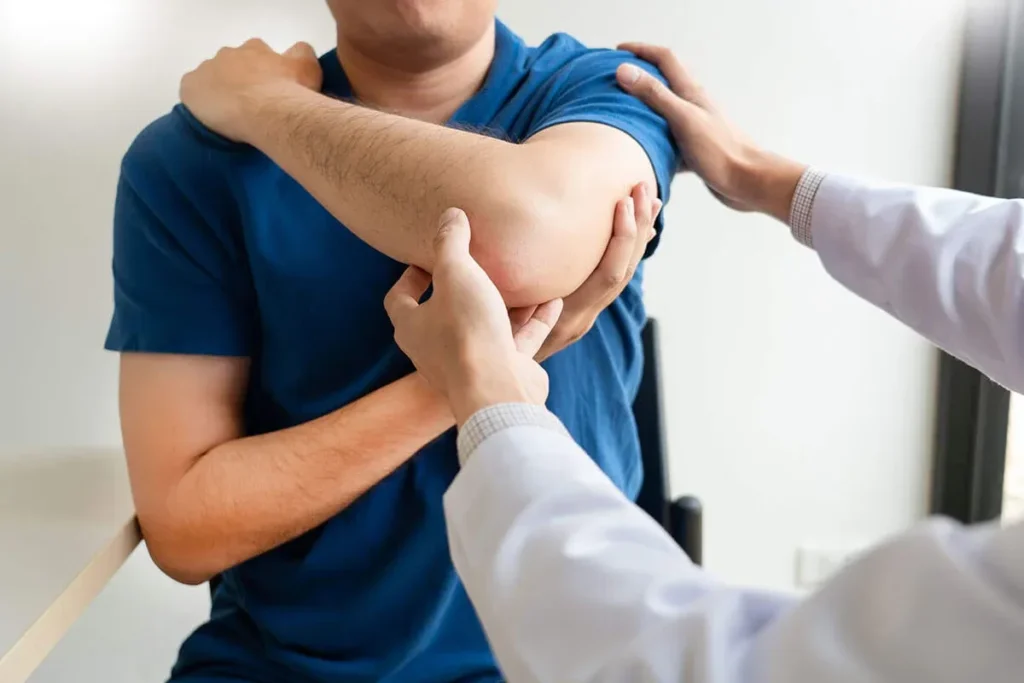
Muscle spasms can be sudden and uncomfortable. Many people look for relief. Tylenol, an over-the-counter pain reliever, is often considered for muscle-related pain. But does it truly help with muscle spasms?
Tylenol has acetaminophen, known for its pain-relieving properties. It’s not a true muscle relaxer, but it can ease the pain of muscle spasms. Doctors often suggest Tylenol first because it’s safer than other options.
It’s important to understand Tylenol’s role in managing muscle spasms. While Tylenol can offer relief, it’s part of a bigger plan. This plan may include physical therapy and other non-medication strategies.
Does Tylenol help with muscle spasms? Read our helpful guide to understand if acetaminophen is effective for stopping painful muscle cramps.
Key Takeaways
Tylenol can help manage pain associated with muscle spasms.
Acetaminophen is the active ingredient in Tylenol, providing pain relief.
Tylenol is not a true muscle relaxer but can alleviate discomfort.
It’s often recommended due to its safety profile.
A complete approach to managing muscle spasms may include Tylenol, physical therapy, and other non-medication methods.
Understanding Muscle Spasms and Pain Relief Options

It’s important to know what causes muscle spasms and their symptoms to find the right pain relief. Muscle spasms are sudden muscle contractions that can hurt a lot and make it hard to do daily tasks. They can happen for many reasons, like not drinking enough water, muscle tiredness, and some medicines.
What Causes Muscle Spasms and Their Symptoms
Muscle spasms can come from many things, like using a muscle too much, not having enough water, or not enough minerals. You might feel sharp pains or cramps in the muscle. Sometimes, spasms can mean there’s a bigger health issue that needs to be looked at.
Common causes of muscle spasms include:
Dehydration and electrolyte imbalances
Overuse or strain of the muscle
Certain medications and medical conditions
Categories of Pain Relievers for Muscle Problems
Pain relievers for muscle spasms fall into three main types: acetaminophen, NSAIDs, and opioid painkillers. Each type works in its own way to help with pain.
Acetaminophen, found in Tylenol, helps with pain and fever. It blocks chemicals in the body that cause pain and fever. NSAIDs, like ibuprofen, help by stopping inflammation and pain.
“The choice of pain reliever depends on the individual’s specific condition and medical history,” says a healthcare expert. This shows why it’s key to talk to a doctor before choosing a pain reliever.
When looking for pain relief, knowing the differences between types is important. Acetaminophen works for mild to moderate pain. NSAIDs, like ibuprofen, are good for inflammation. But, opioids are only for very bad pain and should be used carefully because of addiction risks.
Does Tylenol Help with Muscle Spasms?
Muscle spasms can be very painful. Many people try Tylenol for relief. But does it really help? Tylenol contains acetaminophen, a common pain reliever. Let’s explore how it works and its limits.
How Acetaminophen Works in the Body
Acetaminophen blocks chemicals in the body that cause pain and fever. It’s good for back pain, neck pain, and muscle strain. It’s often chosen for muscle spasms because it has fewer side effects. A doctor says, “Acetaminophen is a safe choice for muscle pain with little risk of stomach problems.”
Even though acetaminophen helps with pain, its success depends on the muscle spasm’s severity and cause.
Effectiveness for Muscle Pain vs. True Spasms
It’s important to know the difference between muscle pain and spasms. Muscle pain is discomfort from strain or overuse. True spasms are involuntary muscle contractions. Acetaminophen works well for muscle pain, but not as much for spasms because it doesn’t relax muscles.
“For muscle spasms, acetaminophen can ease the pain but not the spasm itself,” a specialist notes. Sometimes, other treatments like muscle relaxants are needed with acetaminophen for full relief.
Recommended Dosage and Safety Considerations
The right dose of Tylenol (acetaminophen) depends on the product and should be followed carefully. It’s important not to take more than the maximum daily dose to avoid liver damage, a risk of too much acetaminophen.
Always follow the recommended dosage on the packaging.
Consult a healthcare provider if you’re unsure about the dosage or have liver concerns.
Be aware of other medications you’re taking that may also contain acetaminophen to avoid accidental overdose.
In summary, Tylenol can help with muscle pain from spasms. But knowing its limits and using it wisely is important for safe pain relief.
Comparing Tylenol to Alternative Treatments
When looking for relief from muscle spasms, it’s good to compare Tylenol with other options. Understanding the different types of pain relievers is key.
Tylenol vs. NSAIDs (Advil and Aleve)
Tylenol, with acetaminophen, is often compared to NSAIDs like Advil (ibuprofen) and Aleve (naproxen). Tylenol works well for pain, but NSAIDs also reduce inflammation. This is important for muscle pain.
A study showed that acetaminophen and ibuprofen work equally well for muscle pain. But, ibuprofen also fights inflammation. So, NSAIDs might be better for muscle spasms with inflammation.
Over-the-Counter Options vs. Prescription Muscle Relaxants
For severe muscle spasms, doctors might prescribe muscle relaxants. These are for short-term use in acute pain.
Research shows that muscle relaxants can help, but they’re not always better than over-the-counter options like Tylenol and NSAIDs. The choice depends on how bad the spasms are and what the patient needs.
– American Family Physician
Combining Medications with Non-Pharmaceutical Approaches
Using both medicines and non-medical methods can help more with muscle spasms. Stretching, massage, and heat or cold therapy can help along with Tylenol or NSAIDs.
A multimodal approach that mixes medicines and non-medical methods is often the best. It lets people choose what works best for them.
Conclusion: When to Use Tylenol and When to See a Doctor
It’s important to know when to use Tylenol and when to see a doctor for muscle spasms. Tylenol, with acetaminophen, is a common pain reliever for headaches and back pain. It’s good for muscle spasms too.
If muscle spasms keep coming back, you should talk to your doctor. They can check for other health issues that need special care. Consumer Reports says it’s smart to check with your doctor if spasms last more than a few weeks.
For quick pain relief, Tylenol works well. But, always take it as directed and be careful if you have liver disease. Knowing when to use Tylenol and when to see a doctor is key to treating muscle spasms right.
FAQ
Does Tylenol help with muscle spasms?
Tylenol, with acetaminophen, can ease pain from muscle spasms. But it doesn’t directly stop the spasms. It’s mainly for pain relief.
Is acetaminophen a muscle relaxer?
No, acetaminophen is not a muscle relaxer. It eases pain by reducing brain chemicals that cause it. Muscle relaxers, on the other hand, directly relax muscles.
Can I take ibuprofen for muscle spasms?
Yes, ibuprofen can help with muscle spasm pain. It works by reducing inflammation and pain.
Will taking Tylenol with a muscle relaxant be more effective?
Taking Tylenol with a muscle relaxant might help more. The muscle relaxant can tackle the spasms, while Tylenol eases pain.
How can I reduce muscle spasms?
To lessen muscle spasms, try stretching, massage, and heat or cold therapy. Staying hydrated and managing causes also helps. Over-the-counter pain relievers like Tylenol or ibuprofen can aid too.
What are the best over-the-counter options for muscle spasms?
For muscle spasms, try NSAIDs like ibuprofen (Advil) or naproxen (Aleve), or acetaminophen (Tylenol). The best choice depends on your health and the spasm cause.
Can I use Advil for muscle spasm relief?
Yes, Advil (ibuprofen) can relieve muscle spasms. It has anti-inflammatory and pain-relieving effects.
Is it safe to take ibuprofen with a muscle relaxant?
Taking ibuprofen with a muscle relaxant is usually safe. But, always follow dosage instructions and talk to a healthcare provider to avoid side effects.
What should I do if my muscle relaxant is not working?
If your muscle relaxant isn’t working, talk to a healthcare provider. They might adjust the dosage, switch medications, or suggest other treatments.
Are there any non-pharmaceutical approaches to managing muscle spasms?
Yes, try stretching, massage, heat or cold, and staying hydrated. Avoiding triggers can also help manage muscle spasms.
References
National Health Service. (2022). Acetaminophen (paracetamol) for adults. https://www.nhs.uk/medicines/paracetamol-for-adults/

