
Unlock your inner glow by understanding and addressing the dark dry patches on your neck and armpits. These patches can be a sign of an underlying condition such as acanthosis nigricans. This condition is often linked to insulin resistance and obesity.
Is your dry skin turning black? Get powerful amazing relief and discover incredible ways to achieve a beautiful and clear skin tone.
Your skin deserves this glow-up as you explore the causes and treatment options. With cutting-edge skincare and next-gen beauty tech, you can achieve timeless beauty and luxury transformation. Liv Hospital offers trusted, patient-centered care. They have a complete diagnostic and treatment approach to address dark patches and their root causes.
Key Takeaways
Dark dry patches on the neck and armpits can be a symptom of an underlying health condition.
Acanthosis nigricans is a common condition associated with these patches.
Understanding the causes is key for effective treatment.
Liv Hospital provides complete care for these skin issues.
Cutting-edge skincare and beauty tech can help achieve radiant, healthy-looking skin.
Understanding Why Dry Skin Turning Black Occurs
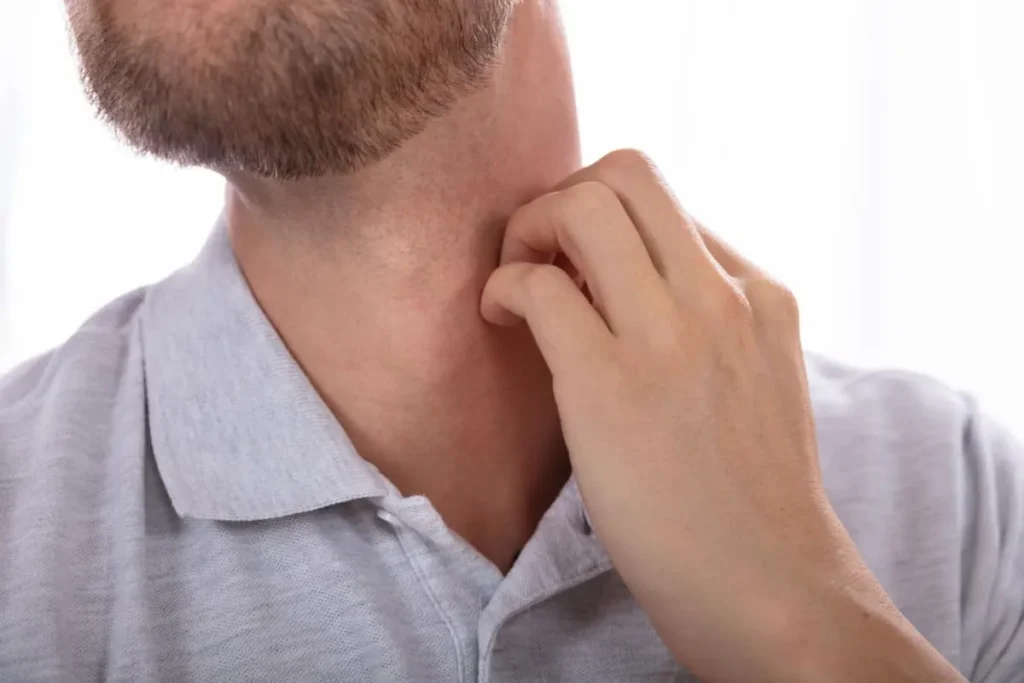
It’s important to know why dark dry patches appear on the neck and armpits. These patches can be a sign of a deeper issue that needs to be addressed.
Acanthosis Nigricans is a common cause of dark patches. This condition makes skin in folds and creases look dark and thick. Dry skin can make these patches stand out more.
Identifying Acanthosis Nigricans and Similar Conditions
Acanthosis Nigricans is often linked to insulin resistance, obesity, and hormonal disorders. It’s more common in darker skin tones and can signal a health problem. Other conditions like eczema, psoriasis, and contact dermatitis can also cause dark patches.
Primary Causes of Dark Dry Patches
The main reasons for dark dry patches include several factors:
Understanding these causes is the first step to treating and preventing dark dry patches. Knowing the root cause helps in a more targeted skincare approach, boosting confidence.
Effective Treatment Options for Dark Patches

Dark dry patches on the neck and armpits need a mix of treatments. It’s important to know the different options, from medical treatments to home remedies and lifestyle changes.
Medical Approaches and Professional Care
Medical treatments aim to fix the root cause of dark patches. For example, if they’re caused by Acanthosis Nigricans, managing diabetes or hormonal issues is key. Doctors might also prescribe creams or antibiotics for symptoms.
Professional care means seeing a dermatologist for a custom plan. They might suggest chemical peels or laser therapy to fade dark spots.
Home Remedies and Natural Solutions
For natural fixes, try lemon juice or aloe vera on dark spots. Sea cucumber extract is also good for the skin.
But remember, home remedies might not work for everyone, depending on the cause.
Lifestyle Changes to Improve Skin Condition
Changing your lifestyle can greatly help your skin. Eating well, managing health, and staying fit are key. A diet full of fruits, veggies, and whole grains is best.
Also, taking care of your skin with moisturizers and gentle soaps can prevent dryness and irritation. This helps avoid dark patches.
Conclusion: Prevention Strategies and When to Seek Help
Your glow-up story starts here with prevention strategies and knowing when to seek help. To prevent dry patches under arms and brown patches on neck and chest, keep good hygiene and use sunscreen often. It’s also key to manage any health issues to stop dark dry patches on skin not itchy.
Elevate your routine by adding these strategies for timeless beauty. Being proactive about your skin health lets you own your beauty with confidence. Aim for visible changes and luxurious elegance to find your inner glow.
Dry skin around armpits and marks on neck can be tough, but the right steps can lead to radiant skin. Follow these prevention tips and be focused on results to say goodbye to dark dry patches and hello to a more confident you.
Beauty that grows with you is possible by being proactive and caring for your skin. With a bit of luxury transformation, you can have healthy, glowing skin that empowers and beautifies you.
FAQ
What are dark dry patches on the neck and armpits a sign of?
Dark dry patches on the neck and armpits might mean you have acanthosis nigricans. This condition is linked to insulin resistance and obesity.
What is acanthosis nigricans?
Acanthosis nigricans is a skin condition. It causes dark, thickened patches in body folds. It’s often seen in people with insulin resistance, obesity, and hormonal issues.
How can I treat dark dry patches on my neck and armpits?
You can try medical treatments like creams and antibiotics. Home remedies like lemon juice and sea cucumber extract also work. Plus, keeping a healthy weight and managing health conditions can help.
Can dark dry patches be prevented?
Yes, you can prevent them. Keep your skin clean, use sunscreen, and manage any health issues.
Are dark dry patches itchy?
Sometimes, yes. But not always. Itchiness can happen, but it’s not a rule.
What are some natural remedies for dark dry patches?
Lemon juice and sea cucumber extract are good natural options. They offer a natural way to improve your skin.
How can I manage dark patches under my armpits?
To manage dark patches, keep your skin clean. Use natural remedies and make lifestyle changes. This will help improve your skin.
Are dark patches around the neck and chest related to hormonal imbalances?
Yes, hormonal imbalances can cause dark patches. This is often seen in conditions like acanthosis nigricans.
Can I use skincare products to treat dark dry patches?
Yes, advanced skincare products and beauty tech can help. They can transform your skin and achieve timeless beauty.
When should I seek professional help for dark dry patches?
If your patches don’t get better or get worse, see a doctor. They can check for underlying conditions and treat you properly.
References
JAMA Network. Evidence-Based Medical Insight. Retrieved from https://www.jamanetwork.com/journals/jamadermatology/fullarticle/2767488