
Dermal fillers are now a key part of keeping faces looking young. Every year, over 2.1 million people get these treatments worldwide, says the American Society of Plastic Surgeons. People are curious about their long-term effects. New studies show interesting things about how these fillers last over time.
Even though they’re meant to last 6 to 18 months, some fillers stay longer. It’s important to know about the long-term effects and possible problems. This is true for those thinking about getting fillers or already getting them regularly.
Key Takeaways
Recent studies reveal the long-term presence of dermal fillers beyond their marketed duration.
The persistence of fillers can lead to various long-term effects and possible complications.
Understanding these effects is essential for informed decision-making.
Regular treatments require careful consideration of long-term implications.
Medical research provides valuable insights into the long-term behavior of dermal fillers.
The Truth About Dermal Filler Longevity
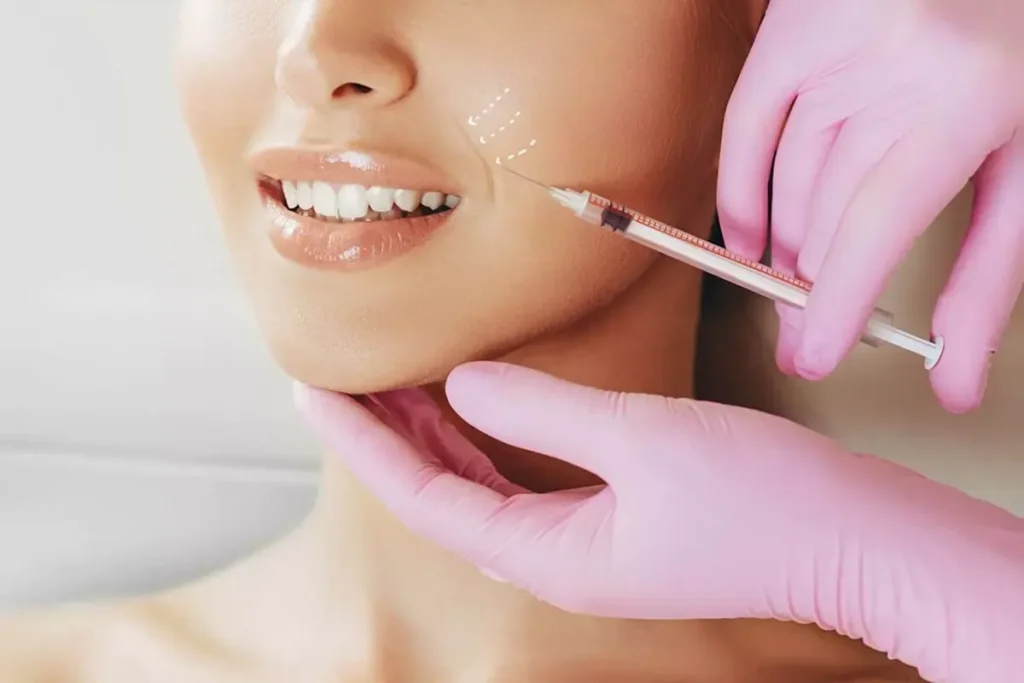
Dermal fillers promise to give us youthful, radiant skin. But what really happens to them over time? It’s important to know the difference between what’s promised and what actually happens.
Marketing Claims vs. Clinical Reality
Hyaluronic acid fillers are often said to last 6 to 18 months. But, MRI studies have shown they might last longer than expected. Medical Expert, a well-known plastic surgeon, says modern lip fillers are safer and work better than old ones. They’re made from hyaluronic acid, a natural body substance.
Why do marketing claims and real results differ? It’s because of the filler type and the person getting it. Everyone’s body is different, so fillers last differently for everyone.
Different Types of Fillers and Their Expected Duration
There are many kinds of dermal fillers, each lasting a different amount of time. Here are a few:
Hyaluronic Acid Fillers: These last 6 to 18 months and are very popular because they can be reversed.
Calcium Hydroxylapatite Fillers: These can last up to 2 years or more, making them very long-lasting.
Poly-L-Lactic Acid Fillers: These help make more collagen and can last up to 2 years or more. You might need more than one treatment to see the best results.
Knowing what each filler does is key to getting the results you want.
Individual Factors Affecting Filler Breakdown
Many things can change how long fillers last, like:
Metabolic Rate: People with faster metabolisms might break down fillers faster.
Lifestyle Choices: Smoking and too much sun can make fillers last less long.
Injection Technique: The skill of the person doing the injection and their method can really affect how long the filler lasts.
By knowing these factors, doctors can give better advice and care. As we learn more, we’ll understand fillers better, helping people make smarter choices about their beauty treatments.
What Happens to Fillers After 10 Years: Research Findings

Recent studies have changed what we know about dermal fillers. They show that fillers can last longer than we thought. This is important for both doctors and patients.
MRI Evidence Challenging Traditional Beliefs
Advanced imaging like MRI has given us new insights. A study using MRI on a patient with 12 syringes of filler over 6 years found 28 cubic cm of filler. This is more than double what was injected.
This study shows that fillers can change facial structure for a long time. It’s a big deal for understanding how long fillers last.
Documented Cases of Long-Term Persistence
There are cases where hyaluronic acid fillers lasted longer than expected. Some fillers stayed for 2.5 years, and problems showed up 8 years later. This shows we need to keep an eye on patients for a long time.
Looking at all the cases, we see different results. Some fillers worked well, while others caused problems. Here’s a table with some key findings:
The Filler Reservoir Effect
Studies say fillers can act like a reservoir. This means they can stay in the body for a long time. It can affect how the face looks and cause problems years later.
Knowing about the filler reservoir effect helps doctors and patients. It helps set the right expectations and gives the right care.
Timeline of Filler Changes in Different Facial Areas
Facial fillers last longer in some areas than others. This depends on skin type and the type of filler. It’s important to know how each area of the face reacts to these treatments.
Lip Fillers After 1 Year: What to Expect
Lip fillers can last a year or more, but how long they last varies. Medical Expert. But, aging, lifestyle, and skin type affect how lips change.
Key considerations for lip fillers include:
The type of filler used, with some materials lasting longer than others
Individual metabolic rates, affecting how quickly fillers are absorbed
Lifestyle factors, such as smoking or excessive sun exposure, which can impact filler longevity
Cheek and Nasolabial Fold Fillers Over Time
Cheek and nasolabial fold fillers can last a while, but not forever. Cheek fillers often last longer because the area is more stable. Nasolabial fold fillers might need more touch-ups because the area moves a lot.
The factors influencing the longevity of these fillers include:
The filler material’s properties and compatibility with the facial tissue
The technique used for filler administration
Patient-specific factors, such as skin elasticity and facial movements
Migration and Displacement Concerns
Fillers can move or shift over time. This happens due to gravity, facial movements, and the filler’s properties.
To minimize the risk of migration or displacement:
Choose an experienced practitioner for filler administration
Select appropriate filler materials for the specific facial area
Follow post-procedure care instructions carefully
Conclusion: Long-Term Considerations for Filler Patients
When thinking about dermal fillers, knowing the long-term effects is key. The lifespan of fillers can change based on the type, your skin, and where you got the treatment.
People with lip fillers might ask, “What happens to lip fillers over time?” Studies show lip fillers can last years, but how long varies for everyone. Nose fillers after two years also have different outcomes, with some lasting longer than others.
To avoid problems like too much filler, it’s vital to choose skilled doctors. They can guide you on the right treatment and match it with your beauty goals.
Whether to keep or stop lip fillers is up to you and how your lips react to treatments. Knowing what affects filler longevity and getting advice from experts can help you make smart choices for your beauty care.
FAQ
What happens to lip fillers over time?
Lip fillers can last from 6 months to 2 years. This depends on the filler type and your lifestyle. They can move or spread out, causing uneven looks.
Do fillers ruin your face after 2 years?
Not everyone gets bad results from fillers after 2 years. The filler type, how it’s injected, and your skin matter a lot.
What happens to filler over time?
Fillers break down naturally over time. This happens due to body processes like enzymes and cells eating them up. How fast this happens depends on the filler and your body.
How long do fillers last in the face?
Filler longevity in the face varies. It depends on the filler, where it’s injected, and your body. Fillers can last from 6 months to 2 years or more.
Can too much filler cause problems?
Yes, too much filler can cause issues. It might make your face look off-balance or move around. Always choose a skilled practitioner for natural results.
What are the long-term effects of fillers?
Fillers can stay in your body for a long time. This might lead to problems later on. More research is needed to understand these effects fully.
Do nose fillers last after 2 years?
Nose fillers can last differently for everyone. Some may last 2 years or more, while others need touch-ups sooner.
Can fillers expand after injection?
Some fillers, like hyaluronic acid, can grow after being injected. This might cause swelling or unevenness temporarily.
What happens to old filler over time?
Old filler can break down and get absorbed by your body. But sometimes, it can stay and cause problems or look bad.
References
National Center for Biotechnology Information. Evidence-Based Medical Insight. Retrieved from https://pmc.ncbi.nlm.nih.gov/articles/PMC2686337/[3