
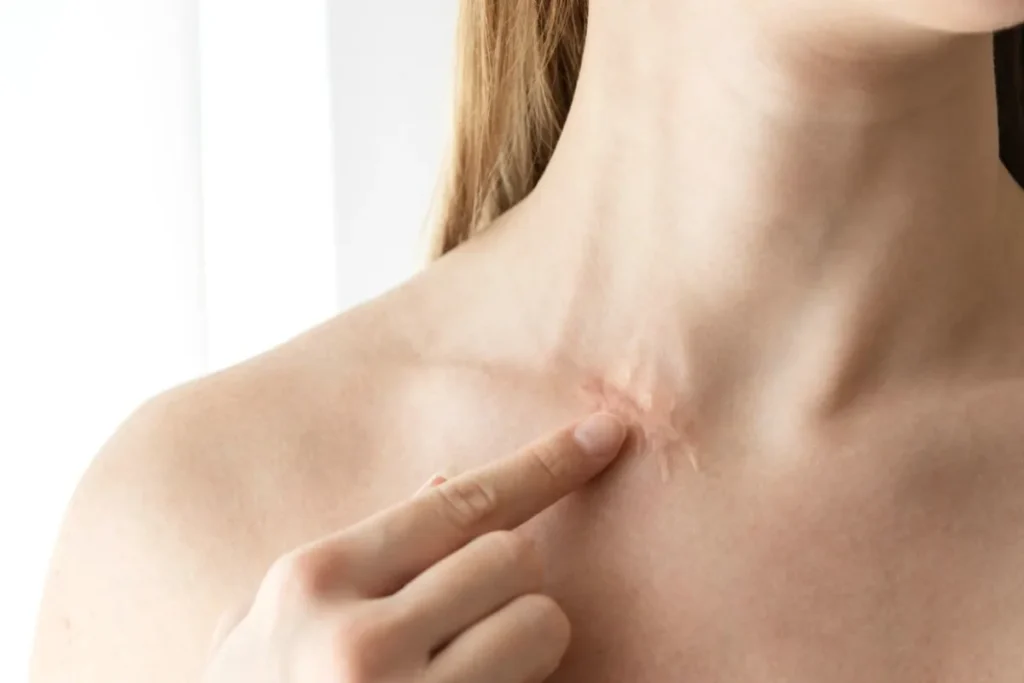
Hypertrophic scars can be a big worry for people who have had surgery or injuries. These scars are raised and firm. They can change how someone looks and feels about themselves. At Liv Hospital, our team of dermatologists is here to help. We offer comprehensive hypertrophic scar treatments that are right for each person.
There are many ways to treat these scars and get your skin looking good again. You can try silicone gel sheets, corticosteroid injections, or laser therapy. Knowing about these options is the first step to getting your skin to look healthy and radiant.
Key Takeaways
Hypertrophic scars can be effectively treated with various methods.
Silicone gel sheets, corticosteroid injections, and laser therapy are among the available treatments.
Proper wound care and early intervention are key in managing hypertrophic scars.
Treatment plans are tailored to individual needs for the best results.
Seeing a dermatological expert is important to find the best treatment.
Understanding Hypertrophic Scars
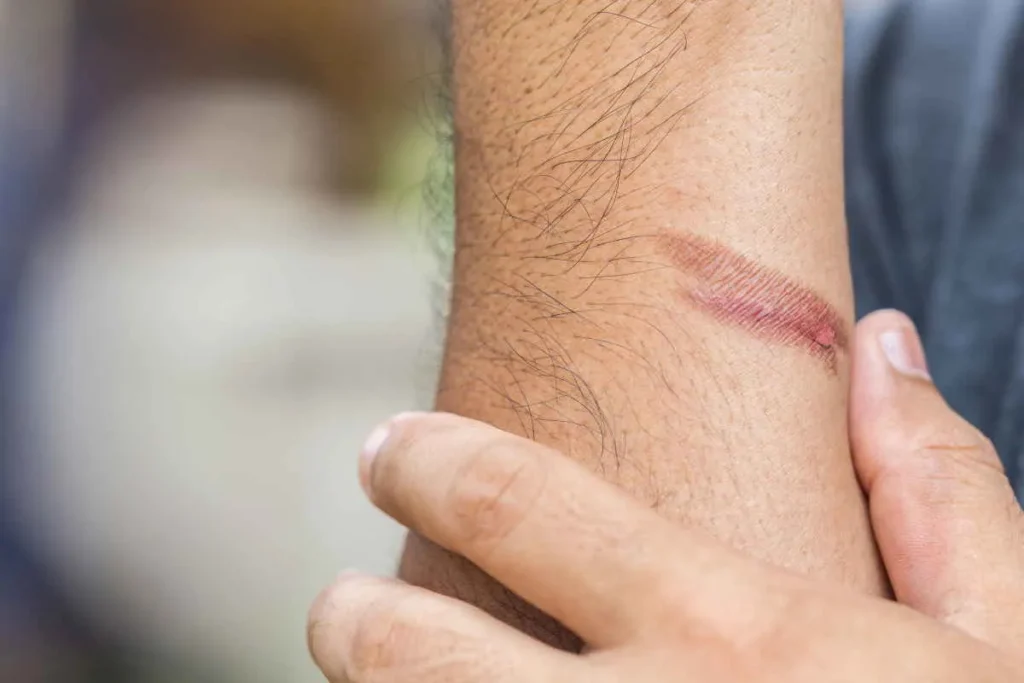
Learning about hypertrophic scars is key to managing scars and getting healthy-looking skin. These scars happen when the body heals from big injuries or surgeries.
What Are Hypertrophic Scars and How They Form
Hypertrophic scars look raised because of too much collagen during healing. They stay within the wound’s original area.
Many things can affect how these scars form, like your genes and how fast you heal. Too much collagen makes them stand out.
Differentiating Hypertrophic Scars from Keloids
It’s important to tell hypertrophic scars apart from keloids to choose the right treatment. Both are raised scars, but they look different.
Hypertrophic scars don’t go past the wound’s edge. Keloids do. Knowing this helps manage scars better.
Understanding hypertrophic scars and how they differ from keloids helps you care for your skin. It’s the first step to healthier, brighter skin.
Comprehensive Hypertrophic Scar Treatment Options
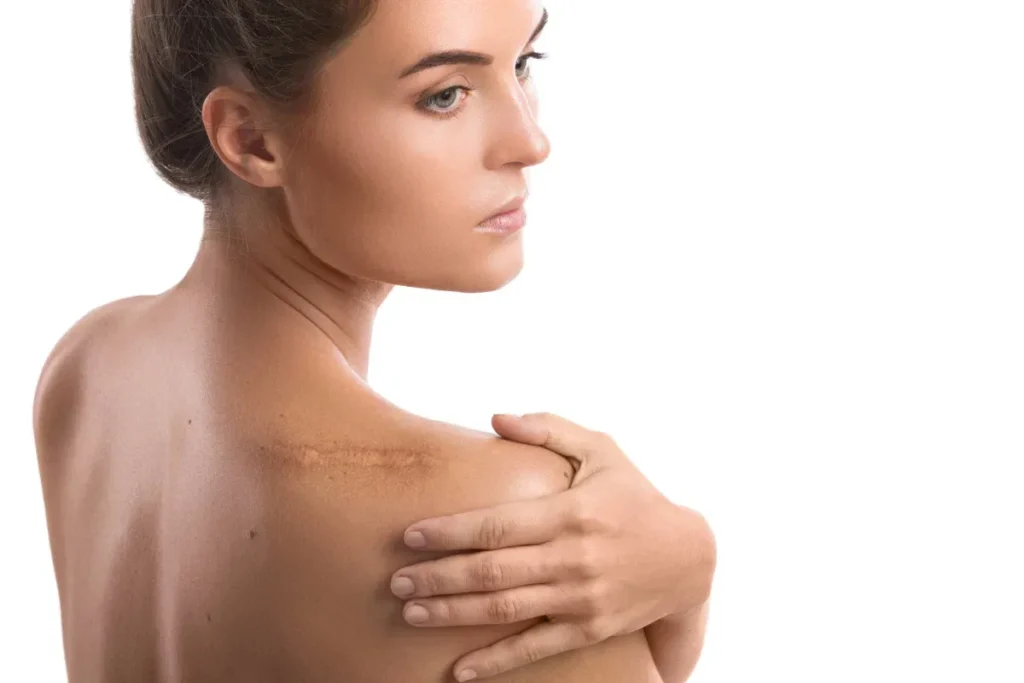
Treating hypertrophic scars needs a mix of methods for the best results. The right treatment depends on the scar’s size, where it is, and your skin type.
Non-Invasive Treatment Methods
Non-invasive treatments are often the first choice for hypertrophic scars. These include:
Silicone Gel Sheets: These are widely used for their ability to flatten and soften hypertrophic scars. They work by hydrating the scar tissue and are most effective when used consistently over several months.
Pressure Therapy: Applying pressure to the scar can help flatten it. This method is commonly used for scars covering larger areas.
Medical Interventions
When non-invasive methods are not enough, medical interventions are needed. These can include:
Corticosteroid Injections: Injecting corticosteroids into the scar can reduce its size and inflammation. This method is effective for raised scars.
Laser Therapy: Laser treatments can help reduce the appearance of hypertrophic scars by promoting collagen remodeling and improving skin texture.
Surgical and Emerging Techniques
For severe cases, surgical and emerging techniques may be considered. These include:
Surgical Removal: In some cases, surgically removing the scar and closing the wound with sutures or a skin graft may be an option.
Radiofrequency Needling: This emerging technique involves using tiny needles to create micro-injuries, stimulating collagen production and improving scar appearance.
Each treatment option has its benefits and limitations. It’s important to talk to a healthcare professional or dermatologist to find the best treatment plan for hypertrophic scars.
Conclusion: Long-term Care and Prevention Strategies
To treat hypertrophic scars well, you need a long-term plan. Proper wound care, like using silicone gel sheets and protecting from the sun, is key. This helps prevent hypertrophic scars from forming.
Long-term care means watching your wound closely and taking care of it to stop it from coming back. To lessen hypertrophic scars, try ongoing treatments like removing them. Taking care of your skin can make it look healthy and radiant.
Good ways to remove hypertrophic scars include keeping your wound clean and using sun protection. Getting rid of raised scars takes time and effort. But with the right steps, you can have smoother, even skin.
Follow these tips and stick to a skincare routine to reveal your inner glow. Your beauty journey begins now. With the right care, your beauty will grow with you.
FAQ
What are hypertrophic scars and how do they form?
Hypertrophic scars are thick, raised skin areas that form after injuries or surgeries. They happen when the body heals too much, making the scar red or pink.
How do hypertrophic scars differ from keloids?
Hypertrophic scars stay within the wound area, unlike keloids which grow beyond it. Knowing this helps pick the right treatment.
What are the available treatment options for hypertrophic scars?
You can treat hypertrophic scars with non-invasive methods like silicone gel sheets. There are also medical treatments like injections and laser therapy. The best option depends on the scar’s size, location, and your skin.
How effective are silicone gel sheets in treating hypertrophic scars?
Silicone gel sheets are a proven, non-invasive way to treat hypertrophic scars. They make the scar flatter, softer, and less red, improving its look.
Can corticosteroid injections help reduce hypertrophic scars?
Yes, corticosteroid injections can help. They reduce swelling, flatten the scar, and make it look better. You might need more than one injection for the best results.
What is the role of laser therapy in treating hypertrophic scars?
Laser therapy uses light to make hypertrophic scars less noticeable. It helps the skin look smoother and reduces redness.
How can I prevent hypertrophic scars from forming?
To prevent hypertrophic scars, keep wounds clean and apply creams or gels. Avoid picking at scabs. Using silicone gel sheets can also help.
Are there any emerging techniques for treating hypertrophic scars?
Yes, new treatments include advanced lasers, microneedling, and other procedures. They aim to make scars less noticeable and improve skin health.
How long does it take to see results from hypertrophic scar treatment?
Results vary based on the treatment, your skin, and the scar’s severity. You might see improvements in weeks to months after starting treatment.
Can hypertrophic scars be completely removed?
While treatment can greatly improve hypertrophic scars, removing them completely is rare. But, with the right treatment and care, you can see a big improvement.
References
National Center for Biotechnology Information. Evidence-Based Medical Insight. Retrieved from https://pmc.ncbi.nlm.nih.gov/articles/PMC7539946/





