

Ever felt super sore the day after a tough workout? This is called delayed onset muscle soreness or DOMS. It hits athletes and fitness fans hard. Symptoms show up 24 to 72 hours after working out, leaving many searching for relief.
Knowing why DOMS happens and how to fix it can speed up your recovery. Experts like Kimberly Collins and Bryce Hastings share key insights. They stress the need for good recovery methods.
It’s key to keep exercising despite muscle aches. By diving into DOMS science and using proven relief methods, you can ease the pain. This helps you reach your fitness goals.
Key Takeaways
Understand the causes of delayed onset muscle soreness.
Learn effective relief strategies to alleviate DOMS.
Discover how to maintain a consistent exercise routine despite DOMS.
Explore expert insights into DOMS relief methods.
Implement practical tips to support your fitness goals.
Understanding Muscle Ache After Workout: What is DOMS?
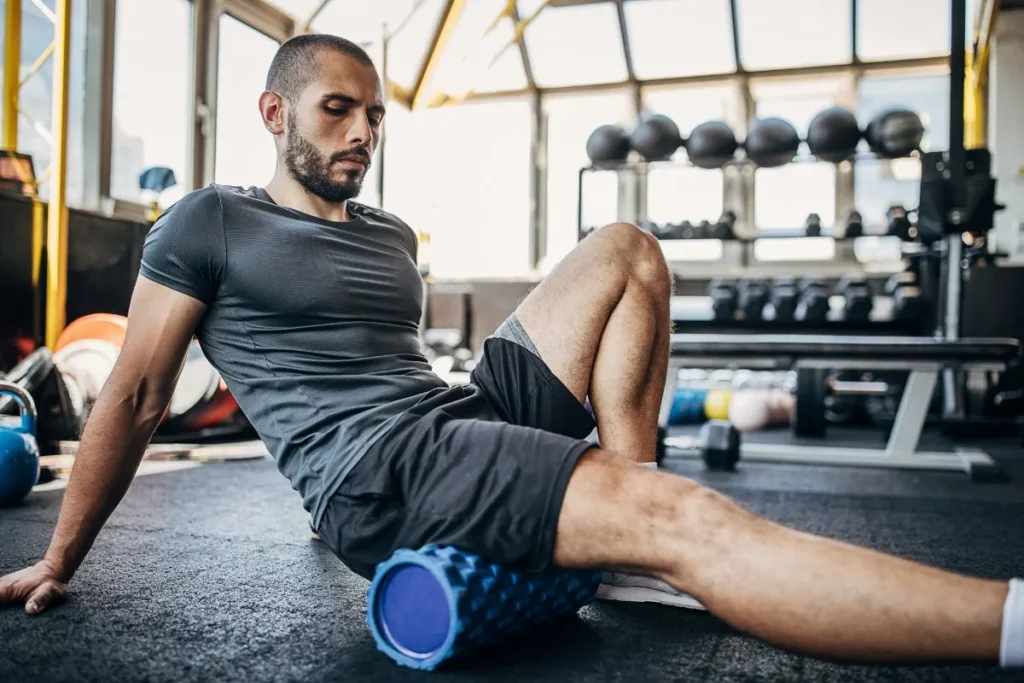
After a tough workout, many people feel muscle soreness. This is called Delayed Onset Muscle Soreness (DOMS). It’s a feeling of stiffness and pain in the muscles, usually felt 24 to 72 hours after exercising. Knowing about DOMS helps us recover better and perform better in our workouts.
The Science Behind Post-Exercise Soreness
DOMS happens when muscles contract in a way that damages them slightly. This damage leads to inflammation and fluid buildup, causing soreness. The body starts to fix the muscles, making them stronger over time.
The science of DOMS is complex. It involves muscle damage, inflammation, and even how our nerves work. Exercises that make muscles lengthen under load, like downhill running, often cause DOMS.
Why Soreness Peaks 24-72 Hours After Exercise
Soreness usually gets worse between 24 to 72 hours after working out. This is because the body is repairing the muscle damage. The inflammation peaks, causing the soreness we feel.
Knowing when soreness peaks helps us plan our recovery. It shows that DOMS is a normal response to hard or new exercises. This helps us prepare and recover from our workouts better.
What Causes Your Muscles to Ache After Exercise
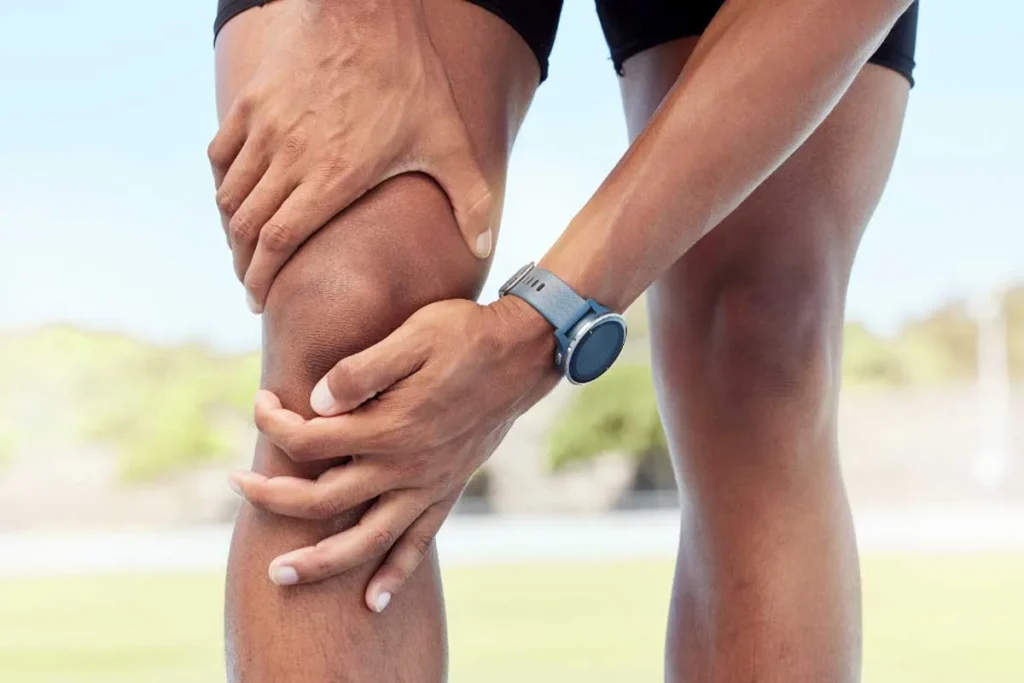
Post-exercise muscle soreness, or DOMS, is more than just muscle damage. It’s a mix of different body processes that cause the pain after hard workouts.
Eccentric Contractions and Muscle Fiber Damage
Eccentric contractions are a big reason for DOMS. These happen when your muscles stretch under weight, causing tiny injuries. Experts like Bryce Hastings say these contractions are key to muscle soreness. The damage starts an inflammation, which makes you feel pain.
Downhill walking or running is a great example. It makes your quadriceps and calf muscles stretch a lot. This kind of exercise really makes DOMS worse.
Beyond Muscle Damage: The Role of Connective Tissue
New studies show that fascia, a connective tissue, is also important in DOMS. Fascia wraps around muscle fibers, helping them stay stable. When muscles get hurt, the fascia gets affected too, adding to the soreness.
This new info makes us see DOMS in a different light. It means we need to think about more than just muscle recovery. We also need to take care of the connective tissue.
Knowing what causes DOMS helps us find better ways to recover. By focusing on both muscle damage and connective tissue, we can make a better recovery plan.
Proven Methods to Relieve Workout Muscle Aches
DOMS, or delayed onset muscle soreness, is common after hard workouts. But, there are many ways to feel better. Several methods have been shown to work well in easing muscle aches after exercise.
Massage Therapy: A Path to Recovery
Massage therapy is a top choice for beating DOMS. It boosts blood flow and cuts down on swelling. Regular massage sessions can make muscles healthier and speed up recovery.
Active Recovery Through Light Exercise
Doing light concentric exercise during DOMS can help ease the pain. Gentle activity keeps blood flowing to sore spots. This method manages DOMS and keeps the heart rate up without hurting muscles more.
Temperature-Based Therapies
Hot baths and cold water immersion are good for muscle aches. Cold water immersion is great for cutting down swelling and pain. Mixing hot and cold can also work well, depending on what feels best for you.
Advanced Recovery Techniques
There are also newer ways to feel better, like foam rolling and wearing compression clothes. Foam rolling helps break up muscle knots and boosts blood flow. Compression clothes help lessen muscle shaking and tiredness.
Conclusion: Building an Effective Recovery Routine
Creating a recovery routine is key to feeling better after working out. It helps you keep up with your exercise plan. By using the right recovery methods, you can lessen muscle soreness and reach your fitness goals.
A good recovery plan includes cool-down exercises, stretching, and foam rolling. Eating enough protein is also important. Massage, active recovery, and using temperature therapies can also help reduce soreness and improve performance.
Knowing why muscle soreness happens and using these strategies can help you succeed in fitness for the long term. Recovery isn’t just about feeling better; it’s about feeling your best and glowing from the inside out.
Begin building your recovery routine today. It will change how you feel after working out. With the right recovery strategies, you can tackle muscle aches and reach your fitness goals with confidence.
FAQ
Why is my body sore after working out?
Your body gets sore after working out because of DOMS. DOMS is a natural response to hard exercise. It causes tiny injuries to your muscles and connective tissue.
How can I alleviate soreness from working out?
To ease soreness, try massage therapy, active recovery, and temperature-based therapies. Foam rolling and compression garments also help.
Why do my legs hurt after a workout?
Your legs hurt after a workout because of muscle stress. This stress, mainly from eccentric contractions, damages muscle fibers.
What can I do to help my sore muscles?
For sore muscles, use hot baths or cold water immersion. Also, do light exercise to boost blood flow.
How do I ease soreness after a workout?
Ease soreness with massage therapy, foam rolling, or compression garments. These methods help blood flow and reduce swelling.
What is the best way to relieve muscle soreness after exercise?
The best way is a well-structured recovery routine. Include massage therapy, active recovery, and temperature-based therapies.
How can I prevent sore muscles after a workout?
You can’t avoid sore muscles completely. But, you can lessen DOMS by gradually increasing workout intensity. Use warm-ups and cool-downs, and apply recovery techniques.
What are some advanced recovery techniques for managing DOMS?
Advanced techniques include foam rolling, compression garments, and temperature-based therapies. They help with blood flow, reduce swelling, and ease soreness.
How long does it take for muscle soreness to peak after exercise?
Muscle soreness peaks between 24 to 72 hours after exercise. This is due to the body’s repair processes and inflammation time.
References
National Center for Biotechnology Information. Evidence-Based Medical Insight. Retrieved from https://pubmed.ncbi.nlm.nih.gov/12617692/





