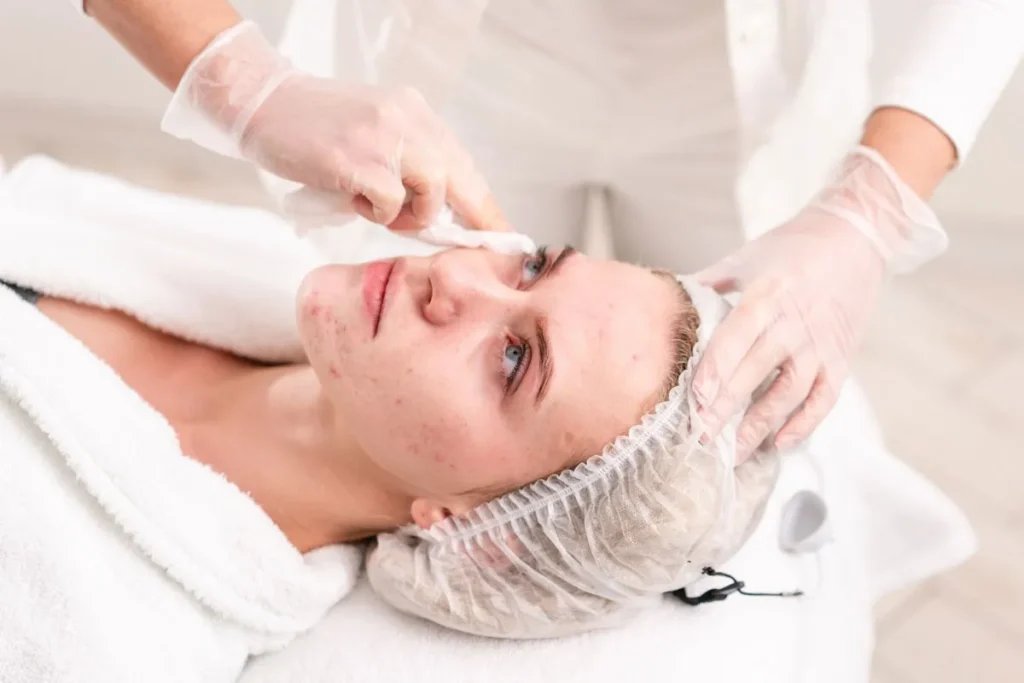
Atrophic scars can be a lasting reminder of past struggles with acne. They affect nearly 95 percent of patients. This can greatly impact quality of life and self-confidence. But, with the latest advancements in dermatology, there are now effective solutions.
Modern post acne scar treatment options include innovative laser technologies and surgical methods. These offer remarkable results. At Liv Hospital, world-class dermatological expertise and cutting-edge treatment protocols help restore clear, radiant skin.
Key Takeaways
Understanding atrophic scars and their impact on skin
Exploring modern treatment options for acne scars
The role of laser technology in effective scar reduction
Surgical methods for severe scarring
Combination therapies for optimal results
Understanding Atrophic Post-Acne Scars
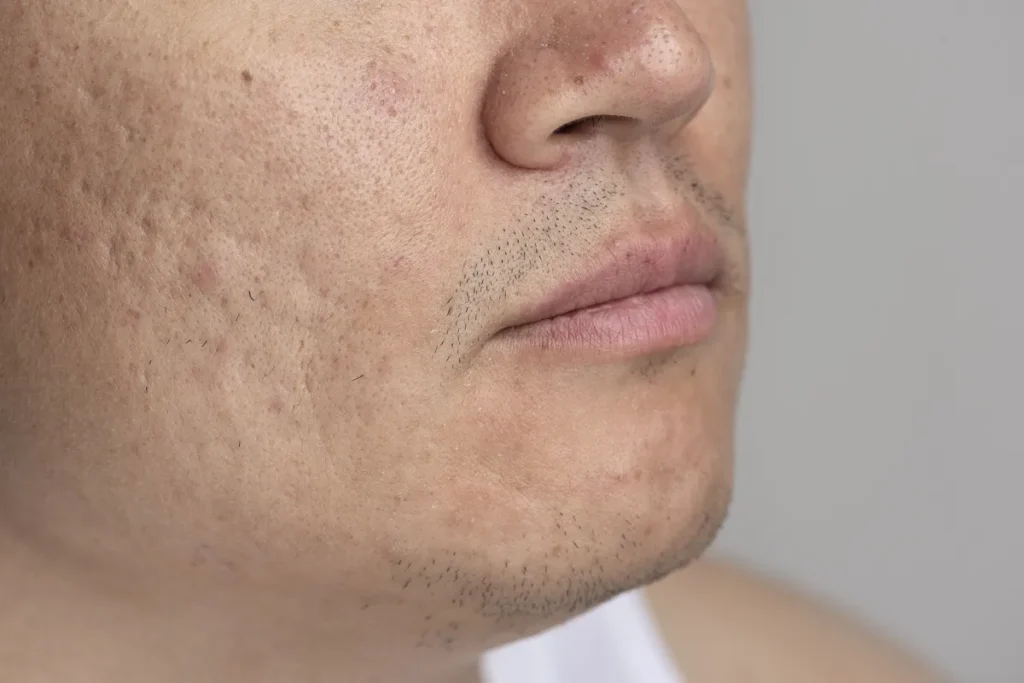
Atrophic scars are indentations in the skin that often follow acne. They happen when the skin tries to heal but loses tissue. This results in depressions or pits on the skin’s surface.
What Causes Atrophic Scars
Atrophic scars come from the body’s fight against acne. Severe or untreated acne can cause a lot of inflammation. This inflammation can destroy skin tissue, leading to atrophic scars. The severity and duration of acne inflammation are key factors in determining the likelihood and severity of atrophic scarring.
Prevalence and Impact on Skin
Atrophic scars affect up to 95 percent of those with acne. They have a big impact, affecting self-esteem and confidence. The emotional toll of living with visible scars is significant, highlighting the need for effective treatments.
For more information on effective atrophic acne scars treatment, it’s essential to consult professional resources that outline the latest treatment modalities.
Types of Atrophic Acne Scars
Atrophic acne scars come in different forms. Each type needs a special treatment for the best results. Knowing the type of scar is key to choosing the right treatment.
Ice-Pick Scars: Deep, Narrow Indentations
Ice-pick scars are deep and narrow, looking like a V. They are small but go deep into the skin. Resurfacing techniques are often used to treat them, helping to make the skin look better.
Boxcar Scars: Round-to-Oval Depressions
Boxcar scars are round or oval with sharp edges. They are wider than ice-pick scars and have clear borders. Treatments aim to improve skin texture and lessen the scar’s depth. Subcision and laser therapy are common methods.
Rolling Scars: Undulating Appearances
Rolling scars make the skin look wavy. They are shallow and have a wave-like pattern. Treatments that boost collagen and skin elasticity are used, like microneedling and chemical peels.
To understand the differences, see the table below:
Knowing the type of atrophic acne scar helps in choosing the right treatment. This leads to better scar management and skin appearance.
Effective Post Acne Scar Treatment Options
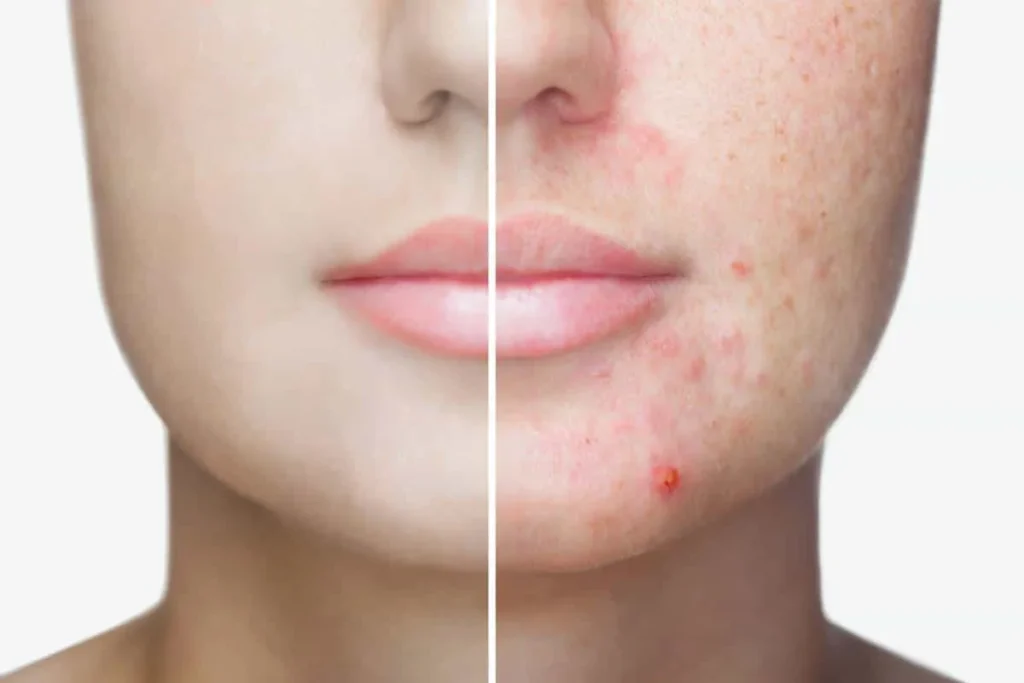
Post-acne scar treatment has come a long way. Now, there are many ways to get rid of scars and have smooth skin. Thanks to new technology and skincare, you can pick the best treatment for your skin.
Energy-Based Treatments
Lasers have changed how we treat acne scars. The 10,600-nm carbon dioxide laser and the 2,940-nm erbium-doped yttrium aluminum garnet laser are top choices. They can make your skin look up to 90 percent better. For more info, check out Medical organization’s expert answers on acne.
These lasers help by making more collagen, renewing skin, and making it smoother. They work best on deep scars like ice-pick, boxcar, and rolling scars.
Non-Laser Treatment Alternatives
There are also non-laser options for treating acne scars. Chemical peels, microneedling, and dermal fillers are popular. You can use them alone or with lasers.
Chemical peels remove the top skin layers, helping new cells grow. Microneedling uses tiny needles to make small injuries, which helps collagen production and texture.
Matching Treatments to Scar Types
Choosing the right treatment for your scar is key. For example, ice-pick scars do well with lasers. Boxcar scars might need chemical peels and microneedling. Rolling scars can be treated with fillers or lasers.
Recovery and Aftercare
How you take care of your skin after treatment is very important. Always follow your skincare professional’s advice. This includes protecting your skin from the sun, using gentle products, and not picking at your skin.
Conclusion
Understanding atrophic scars is key to treating post-acne scars. Knowing the scar type helps find the right treatment. Options range from energy-based treatments to non-laser methods for better skin.
A tailored treatment plan and regular skincare are vital for a glowing complexion. Seeing a dermatologist is important. They help choose the best treatment and ensure it’s safe and effective.
With the right treatment and expert advice, you can improve your skin. This journey leads to lasting beauty and confidence. By focusing on skin rejuvenation, you can get a brighter, more even skin tone. This shows a new, beautiful version of yourself.
FAQ
What are atrophic post-acne scars?
Atrophic post-acne scars are depressions in the skin after acne heals. They happen when the skin loses collagen and tissue during healing. This can make the skin sink or become indented.
How do atrophic scars develop?
Atrophic scars form when the skin loses collagen and tissue after acne. This loss is often due to acne’s inflammation, which damages the skin’s collagen and leads to scarring.
What are the different types of atrophic acne scars?
There are three main types of atrophic acne scars. Ice-pick scars are deep, narrow V-shaped. Boxcar scars are round-to-oval depressions. Rolling scars have an undulating appearance.
What treatment options are available for post-acne scars?
Treatments for post-acne scars include energy-based treatments like lasers. Non-laser options include chemical peels and microneedling. The best treatment depends on the scar type and severity.
How do I choose the right treatment for my atrophic scars?
To pick the right treatment, understand your scar type and its characteristics. A dermatologist or skincare professional can help find the best treatment plan for you.
Can atrophic acne scars be completely removed?
It’s hard to remove atrophic acne scars completely. But, treatments can make them less noticeable. The goal is to boost collagen, improve skin texture, and reduce scarring.
What is the recovery time for post-acne scar treatments?
Recovery times vary by treatment. Laser treatments may need a week of downtime. Non-laser treatments like chemical peels and microneedling have less downtime.
How can I care for my skin after post-acne scar treatment?
After treatment, use a gentle skincare routine and avoid direct sun. Use sunscreen to protect your skin. Your dermatologist or skincare professional can give you specific aftercare advice for the best results.
References
National Center for Biotechnology Information. Evidence-Based Medical Insight. Retrieved from https://pmc.ncbi.nlm.nih.gov/articles/PMC5965325/[3