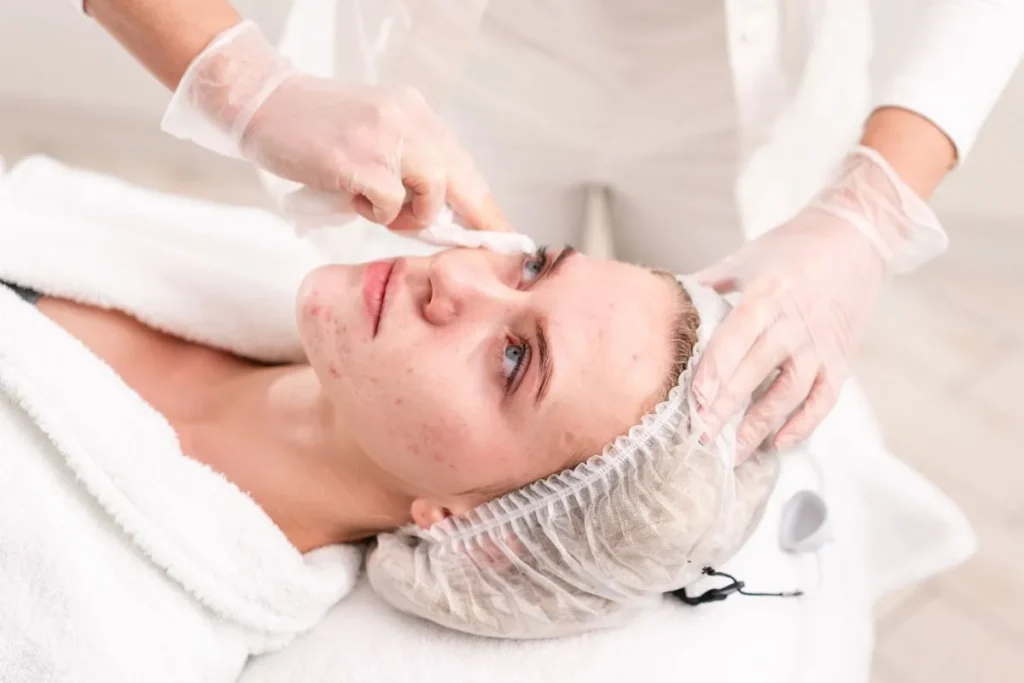
Dark acne scars can be a lasting reminder of past breakouts. They affect millions, mostly those aged 11 to 30. With the right treatments, smoother, clearer skin is possible. Modern dermatological solutions help restore clear, even-toned skin.
It’s important to understand what causes dark acne scars and the best treatments. This guide will cover various options. You’ll learn about advanced topical treatments and professional methods like laser and microneedling. This will help you improve your skincare and get radiant, timeless beauty.
Key Takeaways
Understand the causes of dark acne scars and their impact on self-confidence.
Explore modern dermatological treatments for removing dark acne scars.
Learn about advanced topical formulations and professional treatments like laser and microneedling.
Discover how to elevate your skincare routine for clearer, smoother skin.
Achieve radiant, timeless beauty with the right treatments and skincare.
Understanding Dark Acne Scars and Their Causes
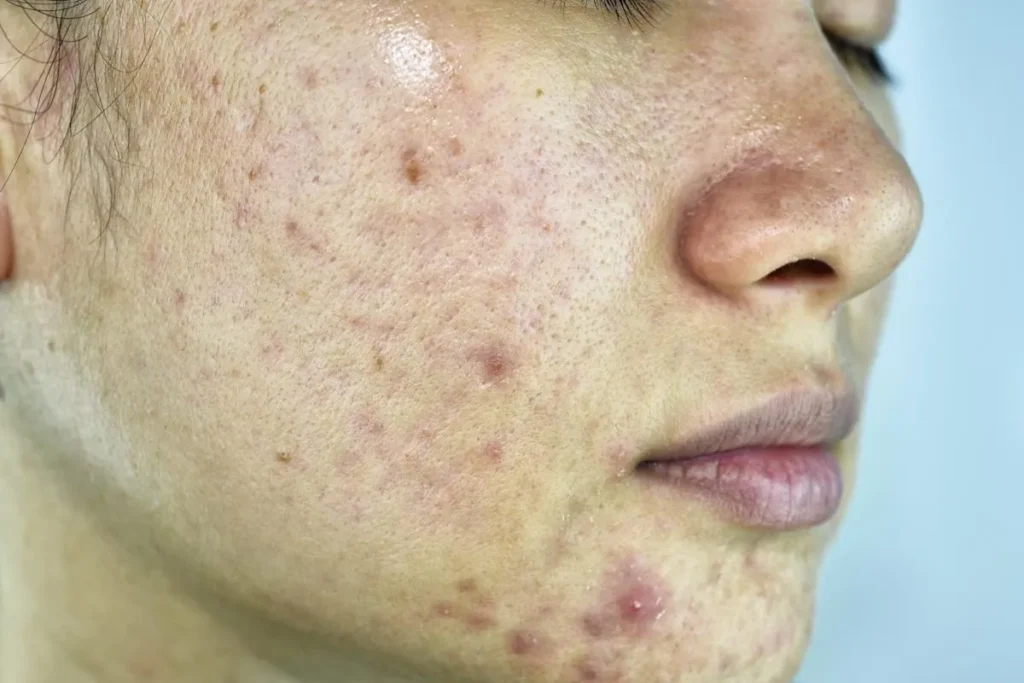
Dark acne scars are more than just a cosmetic issue. They show how the skin reacts to severe acne. This reaction can lead to inflammation and dark spots that last long after the acne is gone.
What Are Dark Acne Scars and Post-Inflammatory Hyperpigmentation
Dark acne scars happen when the skin heals from acne. The inflammation from acne can damage the skin and the tissue below. This damage can leave dark spots, known as post-inflammatory hyperpigmentation (PIH).
PIH is more common in darker skin tones because of more melanin. It’s important to know that PIH and acne scars are different, even though they often appear together.
Why Certain Skin Types Are More Vulnerable
People with darker skin are more likely to get PIH because of their skin’s melanin. But, anyone can get dark acne scars. It’s not just about skin tone, but how the skin reacts to inflammation.
The Science Behind Acne Scar Formation
Acne scars, including dark ones, form when the skin heals from injury. The skin’s inflammatory response to acne damage is key. As it heals, it produces collagen unevenly, causing scars.
Learning about this process helps choose the best treatments. Knowing how dark acne scars form guides better skincare and treatment choices.
Effective Products That Help Acne Scars Fade
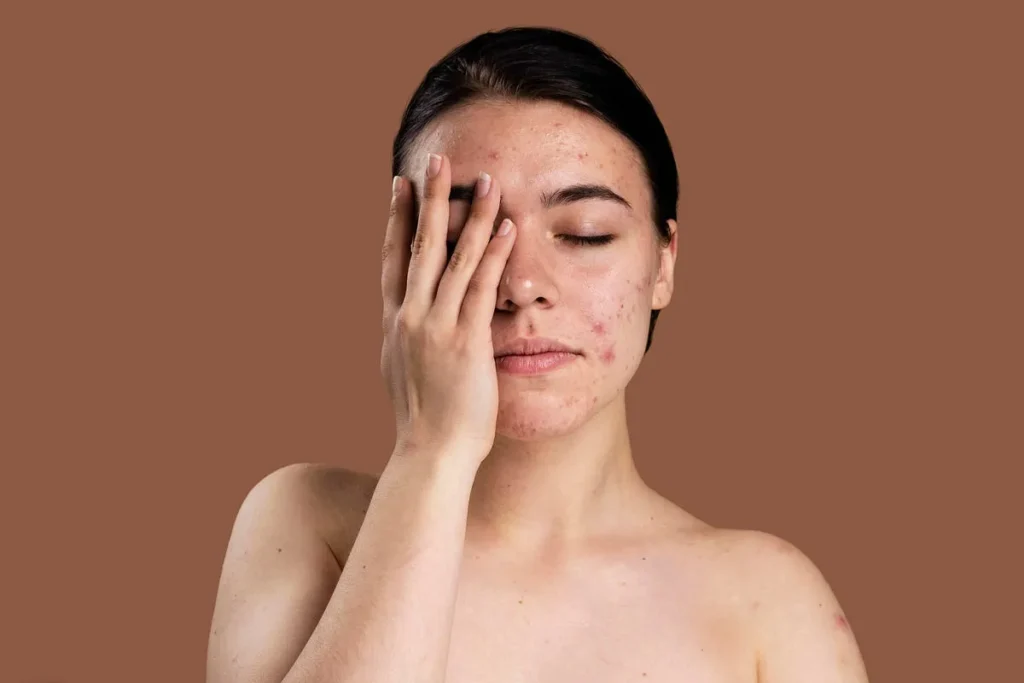
Effective skincare for acne scars involves using products with proven ingredients. These products help reduce dark spots and hyperpigmentation. This makes your skin look more even-toned.
Key Ingredients Proven by Research
Research has found several key ingredients for treating acne scars. These include:
Azelaic acid: It reduces inflammation and prevents future breakouts.
Bakuchiol: A natural retinol alternative that boosts cell turnover and collagen.
Vitamin C: Brightens the skin and fades hyperpigmentation.
Licorice root extract: Soothes the skin and reduces dark spots.
Medical-grade silicone: Improves skin texture and reduces scars.
Creating a Daily Routine for Scar Treatment
Consistency is key in treating acne scars. Use products with the right ingredients in your daily skincare routine. Start with a gentle cleanser, then a toner, and apply a product with key ingredients.
For example, use a vitamin C serum in the morning to brighten. Use a product with azelaic acid or bakuchiol at night for cell turnover and inflammation reduction.
How Long to Expect Before Seeing Results
Results for acne scars vary, but you’ll see improvements in weeks to months. Be patient and keep using products with proven ingredients. Scientific research supports their effectiveness over time.
Beyond Products: Additional Treatments for Stubborn Scars
When just using products isn’t enough, more treatments can help. These can tackle stubborn dark acne scars. Various professional treatments can lead to radiant, healthy-looking skin.
Professional Laser Therapy Options
Laser therapy is a top choice for dark acne scars. Laser resurfacing boosts collagen and skin renewal. This makes skin smoother and more even-toned.
There are many lasers, each for different skin types and scars. For example, chemical peels can improve skin texture and tone when used with lasers.
Chemical Peels and Microdermabrasion Benefits
Chemical peels and microdermabrasion are great for dark acne scars. Peels remove top skin layers to reveal smoother skin. Microdermabrasion is a gentle exfoliation that improves texture.
Both can be paired with other treatments for better results.
Prevention Strategies to Avoid New Dark Scars
Preventing new scars is key. Keep a consistent skincare routine, use sunscreen daily, and avoid picking pimples. These habits can greatly reduce new scars.
Combining Treatments for Enhanced Results
Combining treatments often gives the best results. For example, laser therapy with chemical peels or microdermabrasion works better than one treatment alone. This approach tackles all skin concerns for a brighter complexion.
Understanding each treatment’s benefits and how to mix them helps in making smart skincare choices. Whether it’s laser therapy, chemical peels, or a mix, achieving glowing skin is possible.
Conclusion: Building Your Personalized Scar Treatment Strategy
Your glow-up story starts here. To get the best results in treating acne scars, you might need to mix different treatments and stick to a skincare routine. Learning about the reasons behind dark acne scars and looking into various treatments helps you create a plan that fits your skin and needs.
To get rid of dark spots from acne and lessen post acne marks, use a skincare routine for acne scars. Look for products with ingredients backed by science. Whether you’re fighting dark scars from acne or post-inflammatory hyperpigmentation, a custom plan will help you remove dark spots after pimples and shine with radiant beauty.
Now, you’re ready to take your routine to the next level. Mix treatments like professional laser therapy, chemical peels, and microdermabrasion to boost your results and reveal your inner glow. Begin your journey to transformation today and take control of your beauty with a personalized scar treatment strategy.
FAQ
What causes dark acne scars and post-inflammatory hyperpigmentation?
Dark acne scars come from inflammation and uneven healing. This leads to lasting marks on the skin. Post-inflammatory hyperpigmentation is common, mainly in darker skin tones.
How can I get rid of dark spots after acne?
Azelaic acid and vitamin C can fade acne marks. Using them daily boosts their effect. Laser therapy, chemical peels, and microdermabrasion also help.
What is the best skincare routine for acne scars?
Use products with azelaic acid and vitamin C daily. Being consistent is important. Adding professional treatments can improve results.
How long does it take to see results from acne scar treatments?
You can see big changes in days with the right care. But, results vary based on skin type and scar severity.
Are there any prevention strategies to avoid new dark scars?
Yes, prevent new scars by sticking to a skincare routine. Don’t pick or pop pimples. Use sunscreen to stop more hyperpigmentation.
Can I combine different treatments for better results?
Yes, mixing treatments like laser therapy and chemical peels can work better. Knowing how to mix them is key for glowing skin.
What are the most effective products for removing dark acne scars?
Azelaic acid and vitamin C products are great for fading scars. Add advanced skincare to your daily routine for better results.
How do I choose the right treatment for my skin type?
Know your skin and scars to pick the best treatments. A skincare expert can guide you to the right choices.
References
National Center for Biotechnology Information. Evidence-Based Medical Insight. Retrieved from https://pubmed.ncbi.nlm.nih.gov/30615114/