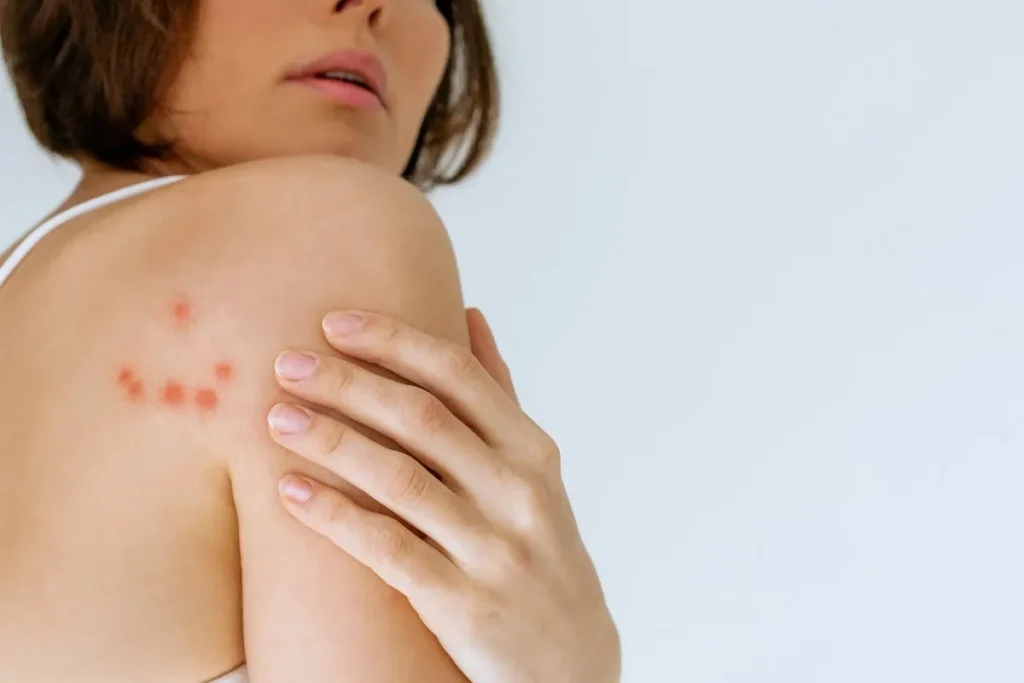
Ever seen tiny red dots on your skin and wondered what they are? These small spots, called petechiae, can worry you. They are tiny, less than 2 millimeters, and show up as red, purple, or don’t fade when pressed.
Fix small brown dots on stomach with amazing relief. Discover powerful ways to achieve an incredible and clear skin tone today.
Medical News Today says red dots on skin can come from many things. This includes heat, infections, and health issues. Knowing why they appear helps figure out if you need to see a doctor. At Liv Hospital, we focus on finding out why and how to treat these skin signs.
Key Takeaways
Red dots on the skin are medically known as petechiae.
They are caused by broken capillaries and bleeding beneath the skin.
Various factors can cause petechiae, including heat exposure and infections.
Understanding the causes is key to knowing when to see a doctor.
Liv Hospital offers detailed checks and care for skin signs.
Understanding Petechiae: The Medical Term for Red Dots on Skin
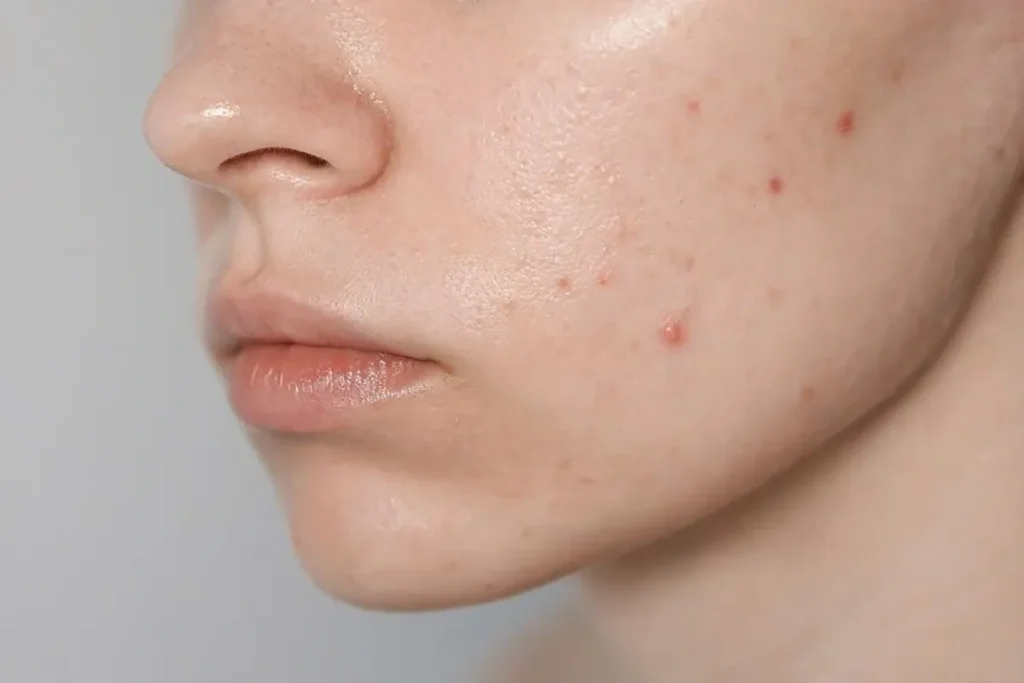
It’s important to know about petechiae because they can show a problem with blood vessels or platelets. These small red spots come from bleeding in tiny blood vessels, as WebMD explains.
What Petechiae Look Like and How to Identify Them
Petechiae look like tiny, flat spots that are red, purple, or brown. They often show up in groups and might look like a rash. But, unlike other rashes, they don’t turn white when pressed.
Small, pinpoint size
Red, purple, or brown color
Flat and not raised from the skin
Often appear in clusters
Do not blanch (turn white) when pressed
How Red Dots Form Under the Skin
Petechiae form because of problems with blood vessels, platelets, or how blood clots. The main reasons include:
Thrombocytopenia: A low platelet count can cause skin bleeding.
Platelet dysfunction: When platelets don’t work right, it can lead to bleeding.
Coagulation disorders: Issues with blood clotting can cause petechiae.
Vascular integrity loss: Damage to blood vessels can make blood leak into the skin.
These problems can make red dots appear on the skin. This might mean there’s an issue that needs medical help.
Common Causes of Small Brown Dots on Stomach and Other Body Areas
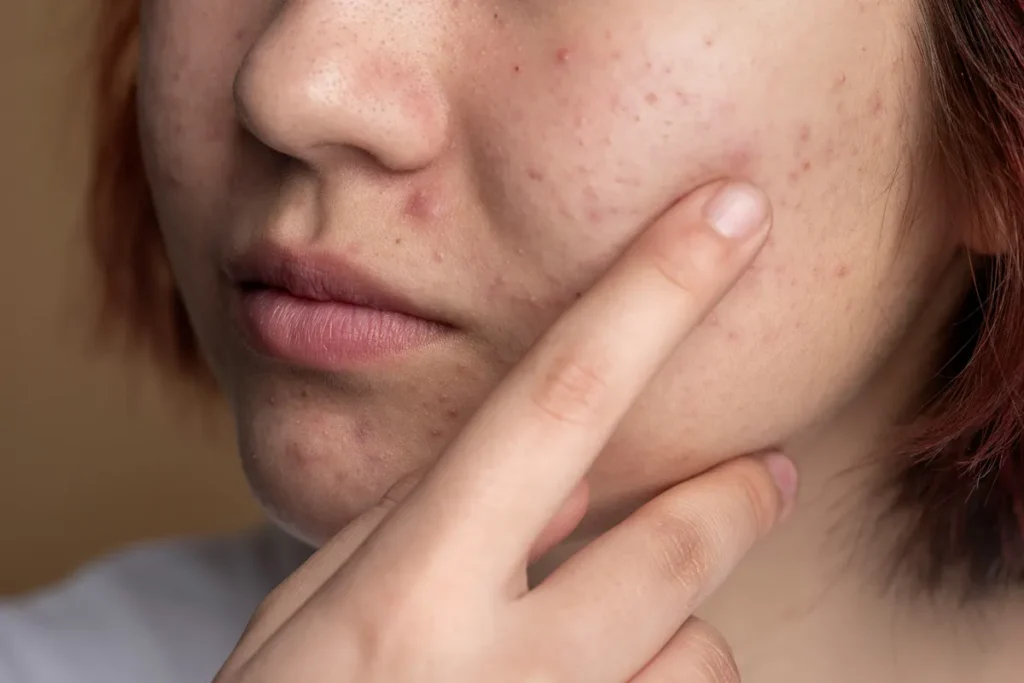
Small brown dots on the stomach and other areas can come from many causes. Some are harmless, while others are serious. Knowing the reasons is key to figuring out if you need to see a doctor.
Benign Everyday Causes
Many everyday things can cause red dots on the skin. Here are a few:
Strenuous Coughing or Vomiting: When you cough or vomit hard, it can break small blood vessels. This leads to red dots.
Sunburns: Too much sun can hurt your skin, causing red dots or irritation.
Heat Rash: This happens when sweat glands get blocked. It causes red dots and discomfort.
Cherry Angiomas: These are small, harmless growths that look like red dots. They’re caused by blood vessels.
Infections That Can Trigger Red Dots
Some infections can also cause red dots. Here are a few examples:
Meningitis: This serious infection can cause red dots or rashes by inflaming the brain and spinal cord’s protective membranes.
Septicemia: Blood infections can cause red dots or purpura (purple spots) as the body reacts to the infection.
Viral Infections: Viruses like measles and chickenpox can cause rashes or red dots.
Leukemia and Blood Disorders
In some cases, red dots can be a sign of a serious condition like leukemia. These conditions affect blood clotting. They can cause:
Petechiae: Small, pinpoint spots from broken capillary blood vessels.
Easy Bruising: Blood disorders can make it easy to bruise and bleed, showing as red dots or bruises.
It’s important to watch for any skin changes. If you have red dots and other symptoms like fever or unexplained weight loss, get medical help.
Distinguishing Red Dots from Other Skin Conditions
It’s important to know the difference between red dots on the skin and other skin issues. Red dots, or petechiae, can mean different things. They can be a sign of something simple or something serious.
To tell if you have red dots, look at their size, shape, and where they are. Medication side effects can also cause petechiae.
Medication Side Effects That Cause Petechiae
Some medicines can lead to petechiae. Here are a few examples:
Antibiotics: Some antibiotics can cause petechiae because they affect blood platelets or trigger an allergic reaction.
Antidepressants: Certain antidepressants might cause petechiae by affecting platelet count or blood vessel health.
NSAIDs: Nonsteroidal anti-inflammatory drugs (NSAIDs) can mess with platelet function, leading to petechiae.
Blood Thinners: Medications that thin the blood, like anticoagulants, can make it harder for blood to clot, increasing the risk of petechiae.
A medical expert said,
When Red Dots Signal a Medical Emergency
Red dots can sometimes mean you need to see a doctor right away. It’s key to know when they might mean something serious.
Quick diagnosis and treatment are key when red dots mean a serious problem.
Conclusion: When to Seek Medical Attention for Red Dots on Skin
It’s important to know when to see a doctor for red dots on your skin. If you notice them suddenly, or if they’re on a child, get help fast. This could mean a serious problem. For more on how to get rid of petechiae and when to worry, look at the symptoms.
If red dots come with a fever, trouble breathing, or seem serious, get medical help right away. Knowing when to act can save your health. It makes sure you get the care you need quickly.
FAQ
What are red dots on the skin, and what causes them?
Red dots on the skin, known as petechiae, are small spots from bleeding under the skin. They can happen for many reasons, like infections, blood issues, or side effects from medicine.
How do I identify petechiae, and what do they look like?
Petechiae are small, flat, and don’t itch. They can be red, purple, or brown. If you’re not sure, it’s smart to talk to a doctor.
Can petechiae go away on their own?
Yes, sometimes petechiae go away by themselves if the cause is fixed. But, if they don’t go away or you have other symptoms, see a doctor.
What are the common causes of tiny red dots on the skin?
Many things can cause tiny red dots, like infections, blood disorders, or medicine side effects. Trauma, allergies, or vitamin shortages can also cause them.
When should I seek medical attention for red dots on my skin?
If you have red dots and symptoms like fever, tiredness, or trouble breathing, get help right away. Also, if the spots don’t get better or get worse, see a doctor.
How can I get rid of petechiae?
Treatment for petechiae depends on why they’re there. Fixing the cause can make them go away. If medicine is the problem, your doctor might change your treatment.
Are red dots on the skin a sign of a serious medical condition?
Red dots can be harmless, but sometimes they mean something serious. If you’re worried, it’s best to see a doctor for a check-up.
Can certain medications cause petechiae?
Yes, some medicines can cause petechiae as a side effect. If you’re on medicine and see red dots, talk to your doctor. They can check if it’s the medicine and find other options.
References
National Center for Biotechnology Information. Evidence-Based Medical Insight. Retrieved from https://www.ncbi.nlm.nih.gov/books/NBK482331/