
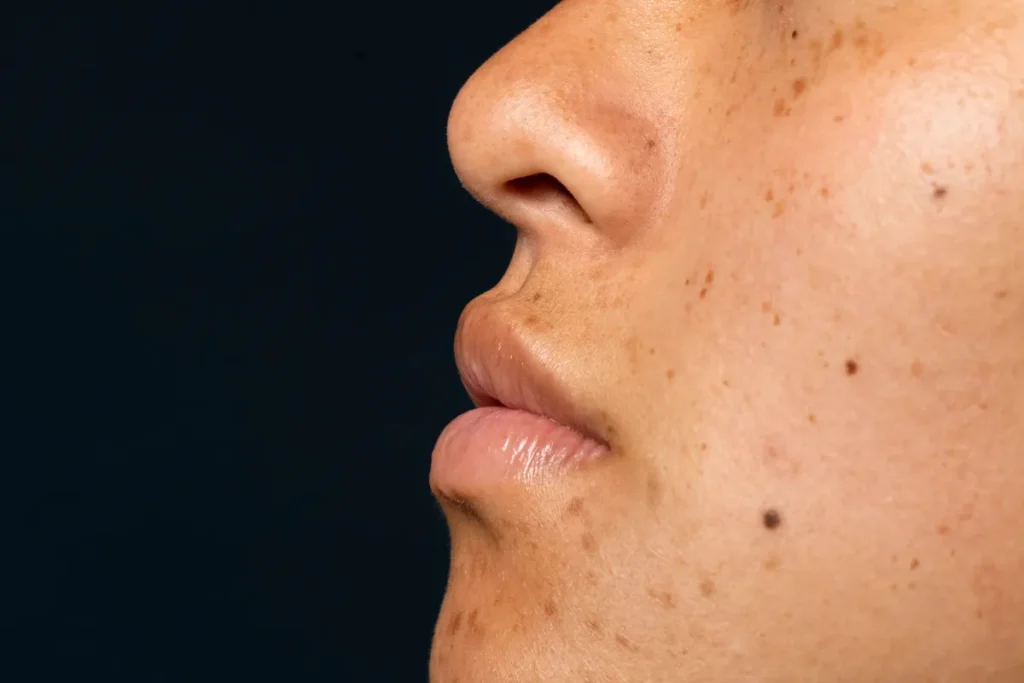
Scabies is a skin disease caused by the Sarcoptes scabiei mite. It affects over 200 million people globally. This condition is known for intense itching and a rash. The rash often has small black specks on skin, which are the mites or their eggs.
It’s important to spot the signs of scabies early. This helps in getting the right treatment quickly. GoldCity Clinic’s doctors are experts in diagnosing and treating scabies. They help patients understand and manage their condition.
Key Takeaways
Scabies is a highly contagious parasitic skin disease.
Over 200 million people worldwide are affected by scabies.
Symptoms include intense itching and a characteristic rash.
Small black mites or their eggs may be visible on the skin.
Prompt treatment is essential to prevent further infestation.
What Is Scabies? Understanding the Parasitic Skin Condition
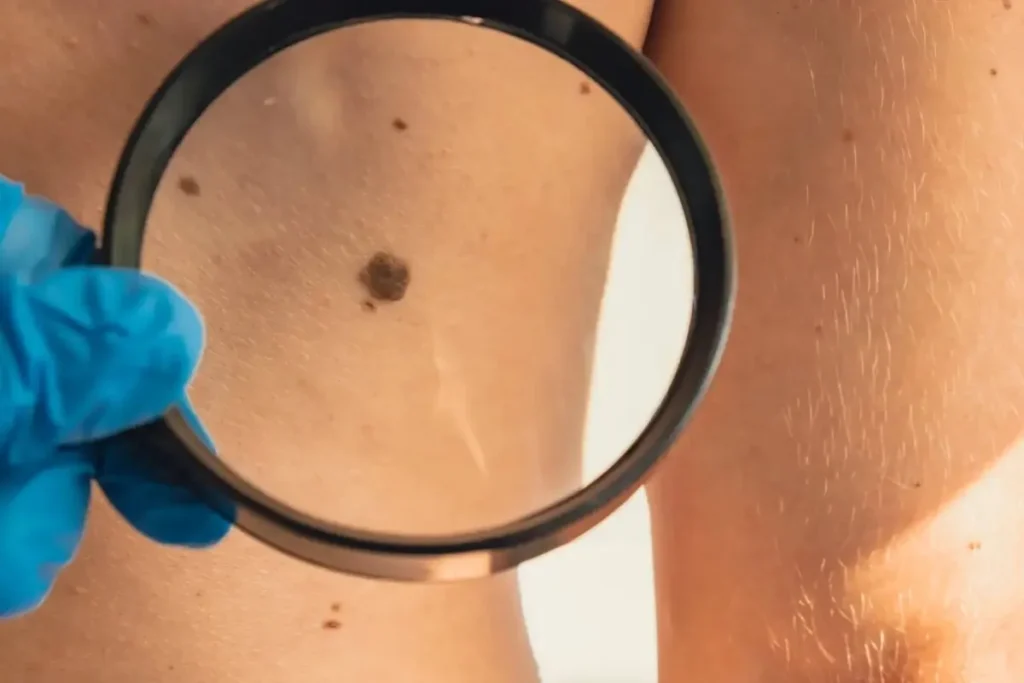
Scabies is a parasitic infestation caused by the Sarcoptes scabiei mite. It leads to intense itching and a rash. Small black specks on the skin are mites, their feces, or debris from their burrows.
The Sarcoptes Scabiei Mite Infestation
The Sarcoptes scabiei mite is the main cause of scabies. These tiny mites burrow into human skin. They cause an allergic reaction, leading to scabies symptoms.
The mites are tiny, eight-legged arachnids that are barely visible to the naked eye.
They cause intense itching, which is worse at night, due to the body’s allergic reaction.
The female mite burrows into the skin, laying eggs that hatch into larvae, perpetuating the infestation.
Global Prevalence and Rising Incidence Rates
Scabies is a big public health issue worldwide. It affects people of all ages and backgrounds. There are about 130 million cases of scabies globally at any time.
The condition is more common in crowded areas and among those with poor hygiene. It’s also more common where healthcare is limited. In recent years, scabies cases have increased. This is due to more people moving around, social gatherings, and mite resistance to treatments.
Key statistics on scabies prevalence include:
Scabies affects an estimated 130 million people globally at any time.
Outbreaks are common in nursing homes, prisons, and other crowded living conditions.
The condition is a significant concern in tropical and subtropical regions.
Small Black Specks on Skin: The Primary Sign of Scabies

The appearance of small black specks on the skin is often a telltale sign of scabies infestation. These specks are not just random marks; they are indicative of the presence of the Sarcoptes scabiei mite, its feces, or burrow debris.
What Causes the Black Specks (Mites, Feces, Burrow Debris)
The black specks associated with scabies are caused by three main factors:
The Sarcoptes scabiei mites themselves, which burrow into the skin.
The feces of the mites, which are deposited within the burrows.
Debris from the burrows, which can include dead skin cells and other material.
When these mites infest the skin, they create burrows. They lay eggs and deposit feces, leading to the characteristic black specks.
How to Identify Genuine Scabies Specks
Identifying genuine scabies specks involves a careful examination of the skin. Key characteristics include:
Location: Typically found in areas like between fingers, wrists, and other skin folds.
Appearance: The specks are usually tiny and can be accompanied by burrow tracks or lines.
Associated symptoms: Intense itching, often worse at night, is a common complaint.
A picture of scabies bites often reveals these characteristic signs, aiding in diagnosis.
Distinguishing from Other Skin Conditions
It’s important to distinguish scabies from other skin conditions that may present similar symptoms. Conditions like eczema, dermatitis, or even flea bites can be confused with scabies. But, the presence of burrow tracks and the specific distribution of the rash can help differentiate scabies.
A thorough examination, potentially aided by a dermatologist, is necessary to confirm the diagnosis. Scabies specks and associated symptoms are key to an accurate diagnosis.
6 Additional Signs to Confirm Scabies Diagnosis
Scabies often shows symptoms that doctors use to diagnose it. There’s been a big increase in scabies cases around the world. Knowing the signs helps in confirming the diagnosis.
Intense Itching That Worsens at Night
Intense itching is a key symptom of scabies, worse at night. It’s not just annoying; it’s severe and can keep you awake. The itching comes from the body reacting to the mites and their waste.
Visible Burrow Tracks on Hands, Wrists, and Fingers
Scabies mites burrow into the skin, leaving tracks on hands, wrists, and fingers. These tracks look like small, raised lines or dots. Looking closely at these areas can confirm scabies.
Characteristic Rashes and Tiny Blisters
A rash with tiny blisters or bumps is common with scabies. It can show up anywhere but is more likely in certain spots. Seeing this rash, along with other symptoms, can help diagnose scabies.
Common Infestation Sites on the Body
Scabies mites often target specific areas. They like the webbed areas between fingers, wrists, armpits, and genital areas. Knowing these spots can help diagnose scabies.
Scabies can affect anyone, but some groups are more at risk. These include children, the elderly, and those with weak immune systems. Knowing the signs of scabies helps in early detection and treatment.
Conclusion: When to Seek Treatment for Scabies
Early diagnosis and proper treatment are key to avoiding complications and discomfort. If not treated, scabies can cause secondary infections and long-term suffering.
If symptoms last more than four weeks or a new rash appears, see a doctor. A second treatment might be needed to get rid of the infestation.
Knowing when to get treatment is important. Quick medical help can ease symptoms, prevent more problems, and help you recover faster.
By recognizing scabies signs and getting treatment on time, you can manage your skin health. This leads to a quicker return to comfort and well-being.
FAQ
What are the small black specks on the skin associated with scabies?
The small black specks on the skin with scabies are usually mites, their waste, or debris from their tunnels.
Can I see scabies mites on my skin?
Yes, you might see scabies mites on your skin. But they are tiny and hard to spot. You might need a microscope or dermatoscope to confirm.
What does scabies look like under a microscope?
Under a microscope, scabies mites look like small, eight-legged arachnids. You can see the mites, eggs, and waste in the skin tunnels they make.
How do I distinguish scabies from other skin conditions?
Scabies can be told apart from other skin issues by its signs. Look for intense itching, visible tunnels, and a specific rash. A doctor can give a clear diagnosis.
What are the common infestation sites for scabies on the body?
Scabies often infests thin skin areas like hands, wrists, and fingers. It can also affect feet, the genital area, and face in babies.
Can scabies be treated, and what is the treatment?
Yes, scabies can be treated. Doctors use topical or oral meds to kill mites and eggs. Treatment involves applying or taking meds as directed by a doctor.
What are the pictures of scabies bites or rashes like?
Pictures of scabies show a rash or tiny blisters. They often have burrow tracks or small black specks. You can find these images online or in medical books.
How can I identify crusted Norwegian scabies?
Crusted Norwegian scabies is a severe form. It has thick, crusted skin lesions with many mites. It’s common in people with weak immune systems.
References
World Health Organization. Evidence-Based Medical Insight. Retrieved from
https://www.who.int/news-room/fact-sheets/detail/scabies





