

Ever woke up stiff and sore after a hard workout? You’re not alone. Muscle soreness after exercise happens a lot, mainly when you try new things.
This is called Delayed Onset Muscle Soreness (DOMS). It shows up 24 to 72 hours after hard or new exercise. DOMS happens because of tiny muscle tears, which start inflammation.
Knowing why DOMS happens and using good recovery methods can help a lot. It makes you feel better faster and stronger sooner.
Key Takeaways
DOMS typically appears 24-72 hours after intense exercise.
Microscopic tears in muscle fibers cause DOMS.
Evidence-based recovery strategies can alleviate soreness.
Understanding DOMS causes can help reduce suffering.
Effective recovery accelerates return to full strength.
Understanding Muscle Soreness: Causes and Mechanisms
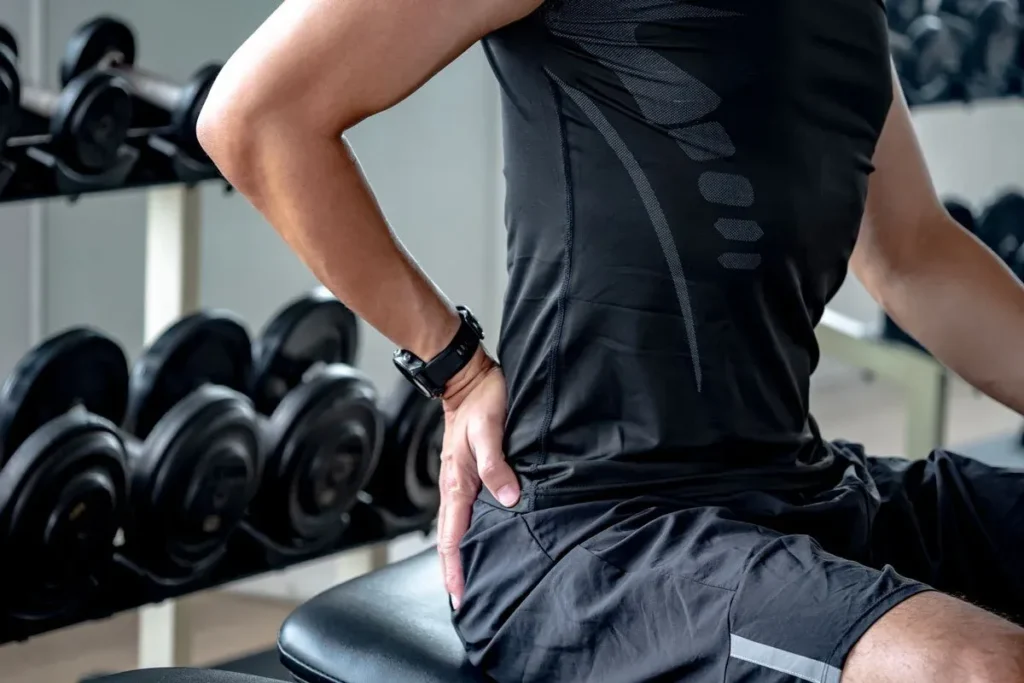
Feeling sore after a workout is not just a sign of a good session. It’s your body adapting to the stress. When you do intense activities like weightlifting or HIIT, you cause micro-tears in your muscles. This is key for growth but also leads to soreness, known as Delayed Onset Muscle Soreness (DOMS).
What is Delayed Onset Muscle Soreness (DOMS)?
DOMS is the pain and stiffness in muscles hours to days after hard exercise. It’s marked by muscle stiffness, pain on movement, and decreased strength. DOMS usually starts 12-24 hours after exercise and can last up to 72 hours.
The Science Behind Muscle Pain After Exercise
The exact reasons for DOMS are debated, but several factors play a role:
Micro-trauma: Exercise causes micro-tears in muscle fibers, leading to inflammation and repair.
Enzymatic Release: After intense exercise, enzymes like creatine kinase are released, showing muscle damage.
Inflammatory Response: The body’s repair process involves inflammation, causing pain and stiffness.
Knowing these mechanisms helps manage DOMS. Recognizing muscle soreness as a natural response to exercise stress allows you to take steps to ease it.
Normal Duration and Intensity of Post-Workout Soreness
The time and intensity of DOMS vary among people. It depends on fitness level, exercise intensity, and how new the exercise is. Generally, soreness peaks within 48 hours after exercise and fades as your body adapts. Here are some key points to consider:
Peak Soreness: Soreness usually peaks within 24-48 hours after exercise.
Adaptation: As you keep up with a workout routine, DOMS severity decreases over time.
Intensity and Novelty: More intense or new exercises cause more severe DOMS.
Understanding muscle soreness helps you prepare for tough workouts. It also lets you take steps to manage and ease DOMS.
What to Do for Sore Muscles: Effective Relief Methods
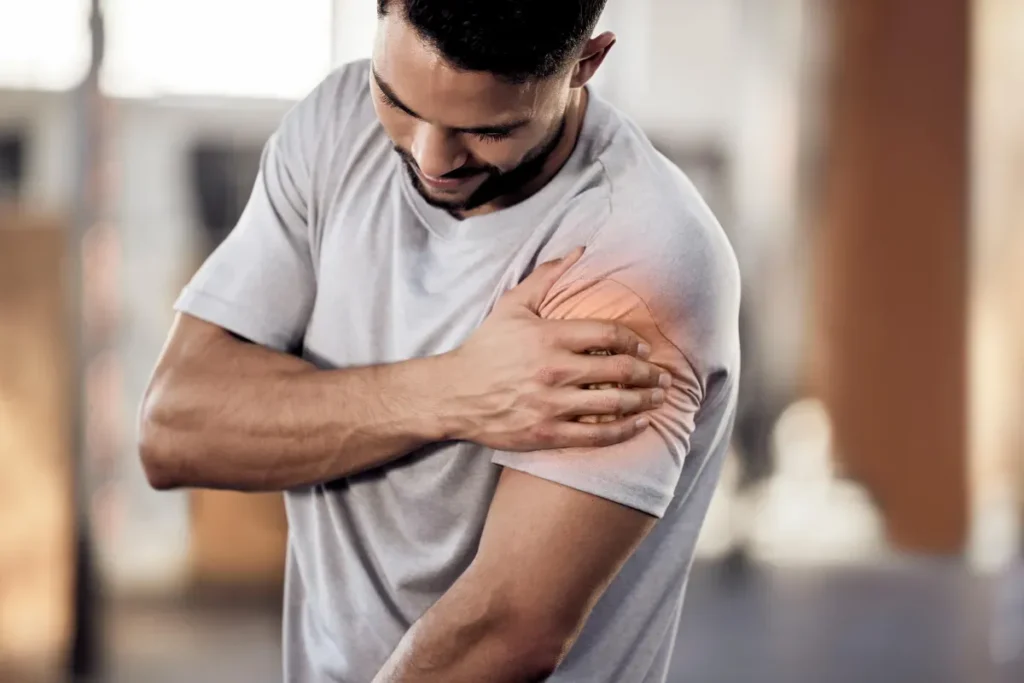
Knowing how to ease sore muscles is important for better recovery after working out. After a tough workout, your muscles need care to heal and grow back stronger. Research shows several ways to lessen muscle soreness, helping you stay fit.
Massage Therapy: The Gold Standard for Recovery
Massage therapy is a top choice for recovery, backed by science. Studies show it reduces inflammatory markers by 37.5% more than other methods. It’s great for easing soreness and speeding up recovery.
Adding massage to your recovery plan can greatly lessen muscle soreness. It helps your body recover faster from hard workouts.
Active Recovery Strategies
Active recovery means doing light exercises to boost blood flow and clear out muscle waste. Activities like light cardio, yoga, or a leisurely walk work well. They keep muscles flexible and reduce stiffness without too much strain.
Compression Garments for Post-Workout Recovery
Compression clothes offer graduated compression to improve blood flow and cut swelling. Wearing them can ease muscle soreness and speed up recovery. They’re best for intense activities.
Heat and Cold Therapy Applications
Heat and cold therapy both have roles in recovery. Cold therapy, or cryotherapy, is used right after exercise to fight inflammation. Heat therapy is used later to relax muscles and boost blood flow. Switching between them can help manage soreness well.
By using these relief methods, you can lessen muscle soreness and improve recovery. This makes it easier to keep up with your workout schedule.
Conclusion: Implementing Your Muscle Recovery Routine
Starting a muscle recovery routine can really help with soreness and boost your fitness. By adding relief methods to your workout plan, you’ll be ready to tackle muscle soreness. This makes it easier to stay active and reach your fitness goals.
Using massage, active recovery, and heat and cold therapy can help a lot. These methods teach you how to lessen soreness and make it less of a bother in your day. Soon, you’ll find you can handle workouts better and push yourself harder.
Having a good recovery plan does more than just ease soreness. It also makes you perform better in your workouts. This means you can exercise more often and get stronger and leaner. Learning how to avoid soreness lets you take your fitness to new heights.
FAQ
Why is my body sore after working out?
Your body gets sore after working out because of muscle damage. This damage causes inflammation and starts the repair process.
How can I alleviate soreness from working out?
To ease soreness, try massage therapy, active recovery, and wearing compression clothes. Heat and cold therapy also help.
Why do my legs hurt after a workout?
Your legs hurt after a workout because of muscle damage. This damage leads to inflammation.
What can I do to help my sore muscles?
To ease sore muscles, use methods like massage, active recovery, and compression clothes. Temperature therapy is also helpful.
How long does muscle soreness last after exercise?
Muscle soreness usually lasts 24 to 72 hours after exercise. It depends on how hard and long you worked out.
How can I ease soreness after a workout?
To ease soreness, mix relief methods. Use massage, active recovery, compression, and heat or cold therapy.
What is the best way to recover from sore muscles?
The best recovery is a mix of relief methods. Include massage, active recovery, and temperature therapy in your routine.
How can I prevent sore muscles after a workout?
It’s hard to avoid sore muscles completely. But, you can lessen them by slowly increasing exercise, stretching, and using relief methods.
What are some effective relief methods for muscle soreness?
Good relief methods are massage, active recovery, compression, and heat or cold therapy. You can use them alone or together.
References
National Center for Biotechnology Information. Evidence-Based Medical Insight. Retrieved from https://pubmed.ncbi.nlm.nih.gov/12617692/





