
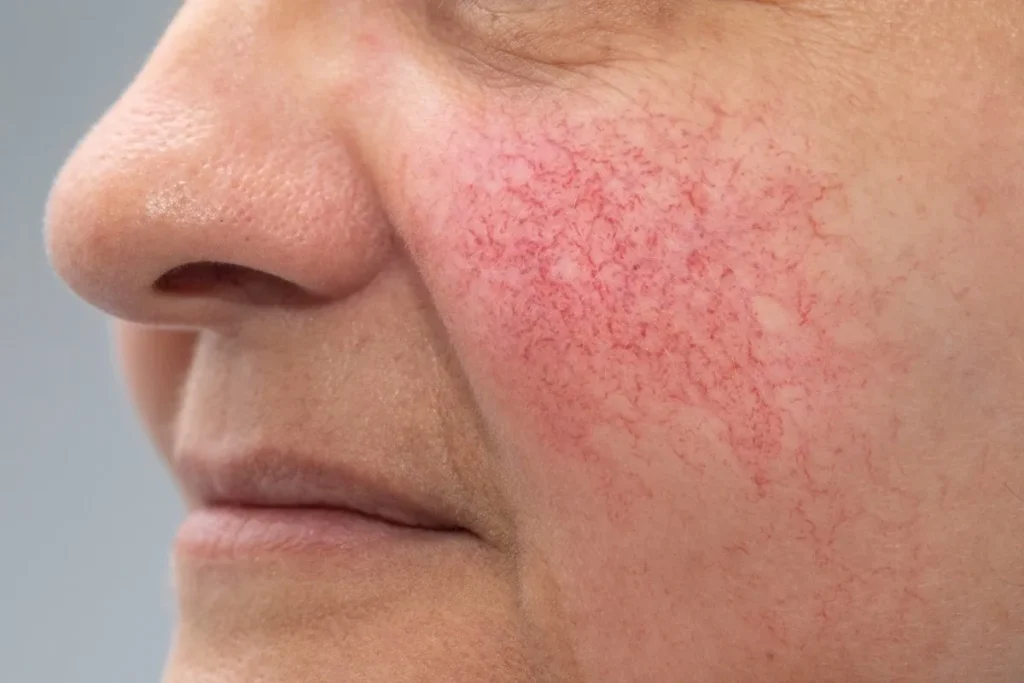
Seeing an old scar turning red can worry you. But knowing the difference between a normal scar and skin cancer is key. At Liv Hospital, we know that scars can change as your body heals. Yet, it’s important to watch for signs of serious issues like melanoma.
Why is my old scar turning red suddenly? Learn vital secrets and discover amazing, powerful ways to achieve incredible skin health.
Scar tissue, like from chronic wounds or burns, can sometimes turn into skin cancer over time. It’s important to look out for signs like new growth, ulcers that won’t heal, color changes, or ongoing pain. These are warning signs that need attention for early treatment.
Key Takeaways
Redness in old scars can be a normal part of the healing process.
Certain scar tissue can rarely develop into skin cancer.
Warning signs include new growth, non-healing ulcers, and color changes.
Early detection is key for effective treatment.
See a healthcare professional if your scar looks different.
Understanding Scar Healing and Redness

Knowing how scars heal is key to managing their look and redness. Scar healing is a complex process with three stages: inflammation, proliferation, and remodeling. Each stage affects the scar’s final look.
The Natural Scar Maturation Process
Scar maturation can take 12 to 18 months after an injury. During this time, the scar tissue changes a lot. It gets more collagen and new blood vessels form. As it matures, the scar usually becomes less red and less visible.
Dr. [Last Name] says, “The maturation process makes the scar look better as it flattens, softens, and becomes less noticeable.” Understanding scar discoloration helps manage expectations during this time.
Blood Vessels and Capillaries in Healing Tissue
Blood vessels and capillaries are key in healing by bringing oxygen and nutrients to damaged tissue. This increased blood flow can make the scar look red or pink, mainly in the early healing stages.
Timeline of Normal Scar Changes
The timeline for scar changes varies by person and injury type. Generally, scars get better over 12 to 18 months. Sun exposure, blood vessel activity, and collagen deposition can affect the scar’s look during this time.
It’s important to watch your scar’s progress and see a healthcare professional if you notice unusual changes or persistent redness.
Causes and Warning Signs
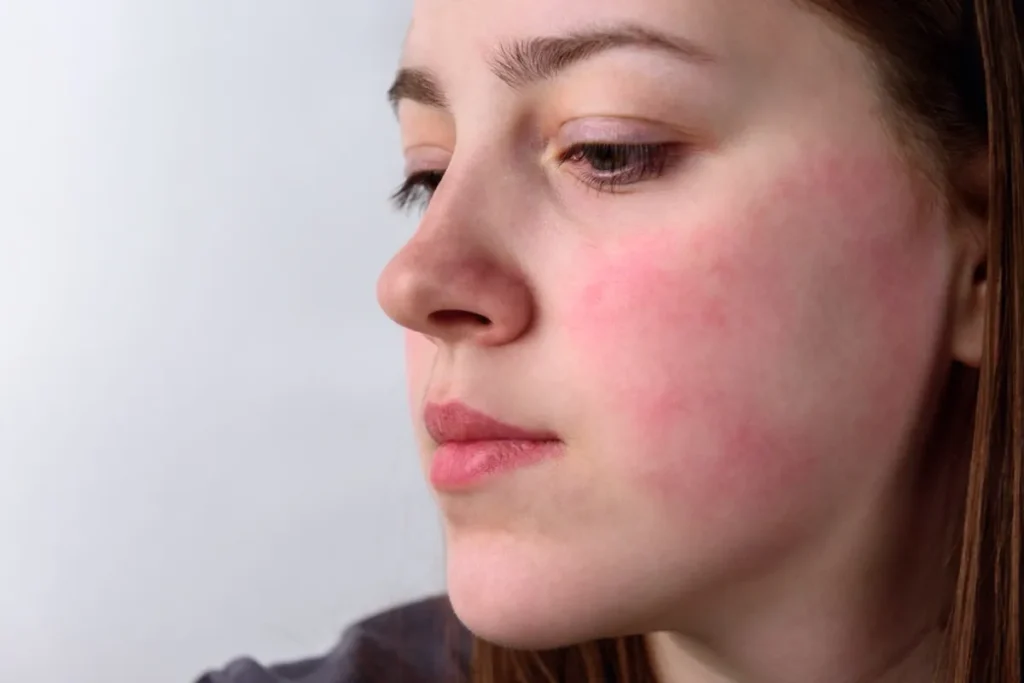
Seeing redness in old scars can be scary. It’s important to know the causes and warning signs for early skin issue detection. Some redness is normal when scars heal. But, if it doesn’t go away or changes, it might be a sign of something more.
Common Reasons for Persistent Redness in Scars
Several things can cause red scars to stay red, like pathological scar formation, chronic inflammation, or too much sun. Pathological scars, like hypertrophic scars and keloids, are raised and stay red for a long time.
Hypertrophic scars happen when there’s too much collagen during healing. They can itch or hurt and stay within the wound area. Keloids, though, grow beyond the wound and are harder to treat.
Pathological Scars: Hypertrophic Scars and Keloids
Hypertrophic scars and keloids are pathological scars that stay red. They happen when the body heals too much collagen. Knowing the difference helps find the right treatment.
Distinguishing Between Normal Scar Tissue and Skin Cancer
Telling normal scar tissue from skin cancer is key. Look out for new growths, sores that won’t heal, color changes, and constant itching, bleeding, or pain. People who spend a lot of time in the sun, have a family history of skin cancer, or have weak immune systems are at higher risk.
Watching scars and knowing these signs can help catch skin cancer early. If you see anything odd, see a doctor right away.
Being proactive and informed helps control skin health. It’s about addressing red scars and skin cancer concerns.
Conclusion: When to See a Doctor About Changes in Your Scar
Changes in a scar can be a cause for concern. Knowing when to seek medical attention is key. If your scar grows, thickens, develops a lump, ulcerates, changes color, or becomes painful, see a dermatologist.
These signs could mean skin cancer on scar tissue. Early evaluation is vital for effective treatment.
Being vigilant about changes in your scar is essential for healthy skin. Regular self-examinations and professional evaluations can give you peace of mind. They can also save lives by catching issues early.
If you’re unsure about changes in your scar or skin cancer on scar tissue, don’t hesitate to seek medical attention.
Your skin deserves timely medical intervention if it shows signs of skin cancer. By monitoring your scar and seeking professional advice when needed, you can ensure a radiant glow and timeless beauty. Unlock your inner glow by taking proactive steps towards healthy, beautiful skin.
FAQ
Why does my old scar look red?
Redness in old scars comes from tiny blood vessels and capillaries. This is part of the healing process, known as erythema. It’s common in hypertrophic scars and keloids.
How long does it take for a scar to mature?
Scar maturation can take up to 12 to 18 months. During this time, the scar tissue is remodeling. As it matures, the redness usually fades.
What are the warning signs of skin cancer in a scar?
Look out for new growths, non-healing sores, color changes, and persistent itching, bleeding, or pain. These could be signs of skin cancer.
Can scar tissue develop into skin cancer?
Yes, scar tissue from chronic wounds or burns can rarely turn into skin cancer. It’s important to watch for warning signs for early treatment.
What are the risk factors for skin cancer in scars?
People with a history of sun exposure, family skin cancer history, or immune issues are at higher risk. These factors increase the chance of skin cancer in scars.
When should I seek medical attention for changes in my scar?
If your scar starts to grow, thicken, develop lumps, ulcerate, change color, or hurts, see a dermatologist. These changes could be signs of skin cancer.
How can I differentiate between normal scar redness and skin cancer?
Knowing the difference between normal scar redness and skin cancer is key. While most scars are harmless, some changes can be cancerous. Early check-ups are vital for treatment.
Is it normal for scar tissue to feel like a lump?
Yes, scar tissue can feel lumpy, like hypertrophic scars or keloids. But, if you notice unusual changes or growth, see a dermatologist.
Can sun exposure cause scar redness to persist?
Yes, sun exposure can make scar redness last longer. Protecting your scars from the sun helps prevent irritation.
References
National Center for Biotechnology Information. Evidence-Based Medical Insight. Retrieved from https://www.ncbi.nlm.nih.gov/pmc/articles/PMC3022978/





