Hypertrophic scars are thick, raised scars that happen as a wound heals abnormally. They often occur after surgery, burns, or deep injuries. Knowing if these scars can fade away on their own is key to managing hopes and finding the right treatments.
Hypertrophic scars might not vanish completely by themselves. Yet, they usually get much better and become less noticeable over time. For more details on treating hypertrophic scars, it’s best to talk to a healthcare expert.
Key Takeaways
Hypertrophic scars usually flatten on their own within several months to a year.
The natural improvement process can take weeks to months, depending on the scar’s size and location.
Various treatments can be used to enhance improvement, such as corticosteroid injections and laser therapy.
Self-treating these scars can be counterproductive or harmful.
A healthcare professional consultation is recommended for diagnosis and guidance.
Understanding Hypertrophic Scars
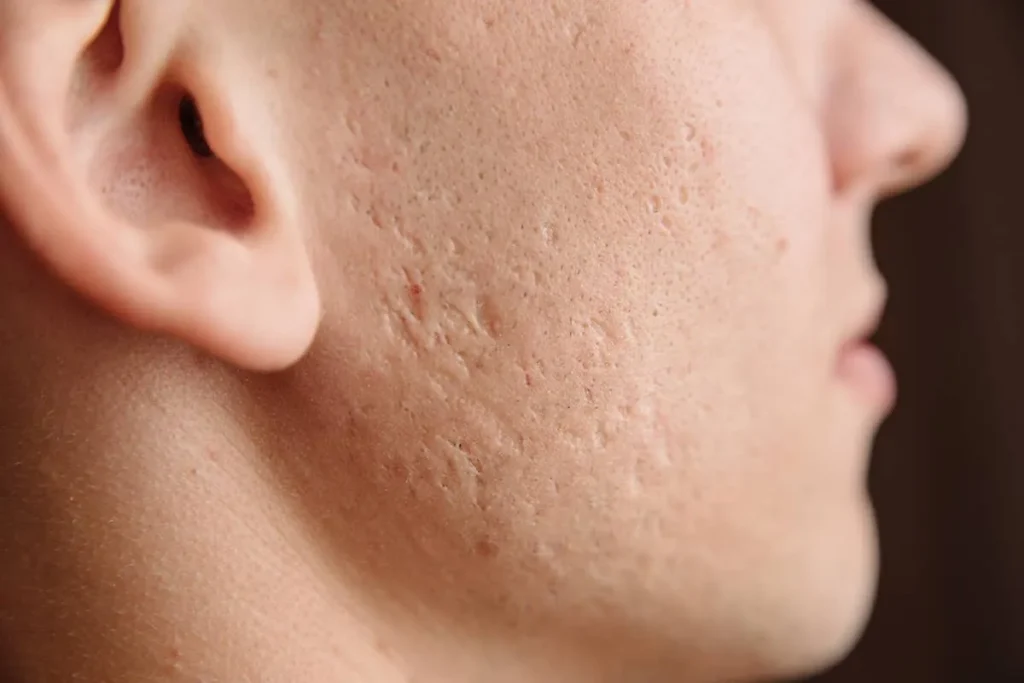
Hypertrophic scars can worry people after burns, surgeries, or skin injuries. They stand out because they’re raised, red or purple, and firm. Knowing about hypertrophic scars is key to managing and treating them.
What Are Hypertrophic Scars?
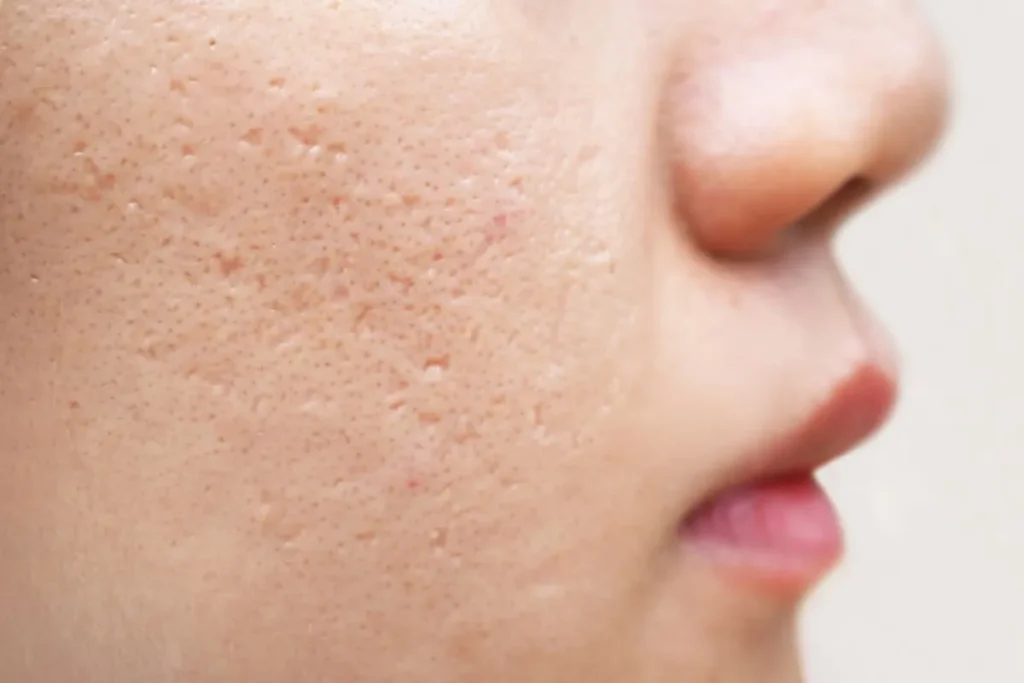
Hypertrophic scars happen when too much collagen is made during healing. This makes the scar tissue bulge above the skin, looking shiny. Hypertrophic scars can pop up on the chest, back, shoulders, and face, affecting both health and looks.
How Hypertrophic Scars Differ from Keloids
Hypertrophic scars and keloids are both raised scars, but they’re different. Hypertrophic scars stay within the wound, while keloids grow beyond it. Hypertrophic scars are usually less severe and can get better over time. Keloids, on the other hand, can keep growing.
Here’s a table showing the main differences between hypertrophic scars and keloids:
Common Locations and Appearance
Common locations for hypertrophic scars are areas with tension or movement, like the chest, back, and shoulders. On the face, they’re more noticeable. These scars are raised, red or purple, and firm. They can also itch or hurt, making them uncomfortable.
Knowing about hypertrophic scars helps in identifying and managing them. By understanding the differences, people can find the right treatment for their scars.
Will a Hypertrophic Scar Go Away Without Treatment?
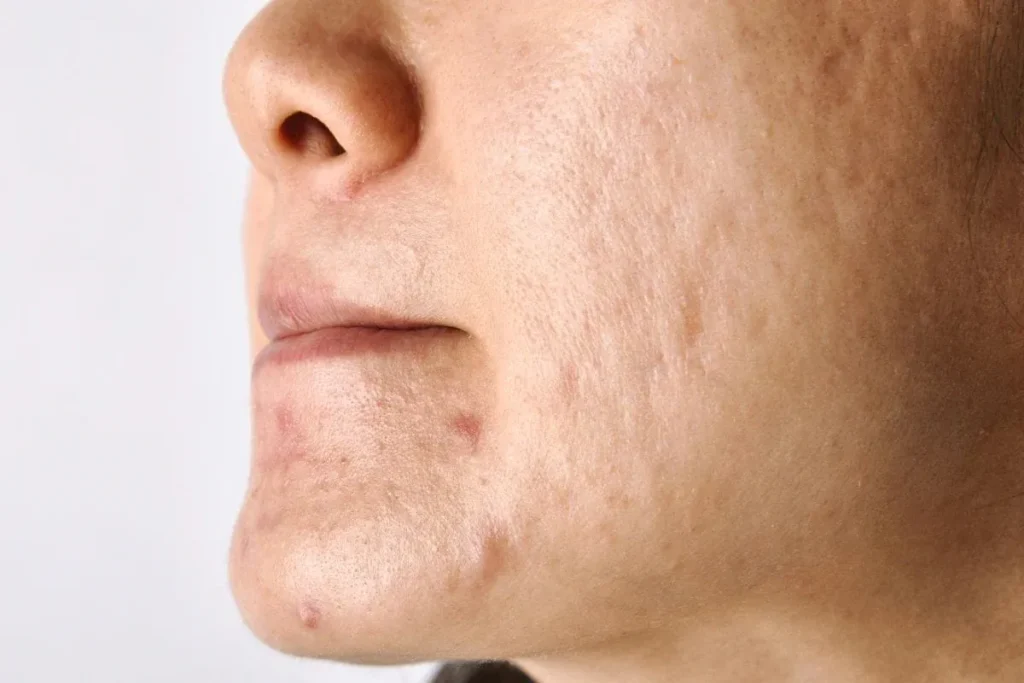
Many people wonder if hypertrophic scars will fade away on their own. These scars stand out because they are raised. Knowing how they heal is key to seeing if they can disappear by themselves.
The Natural Healing Timeline
Hypertrophic scars go through several healing stages. These include inflammation, proliferation, and remodeling. This whole process can take up to two years or more to complete. During this time, the scar might look less raised or change color.
How fast a hypertrophic scar heals can vary a lot. Things like genetics, age, and skin tone play a big role. For example, younger people might heal faster than older ones.
Hypertrophic Scar Healing Stages
The healing of hypertrophic scars happens in three main stages:
Inflammation Stage: This first stage is when the body reacts to injury, causing redness and swelling.
Proliferation Stage: Here, the body starts to rebuild tissue, and the scar begins to form.
Remodeling Stage: In the final stage, the scar matures and might become less noticeable over time.
Knowing these stages helps set realistic expectations for healing. For more info on hypertrophic scars, check out this resource.
Factors Affecting Natural Resolution
Several things can affect how well hypertrophic scars heal naturally. These include:
Understanding these factors and healing stages helps predict how scars might heal. While some scars may fade a lot, others might stay more noticeable.
Conclusion
Hypertrophic scars can be a lasting worry, but knowing their causes and treatments is key. While some may wonder if a hypertrophic scar will ever fully go away, the journey to minimize its appearance is complex.
A scar that won’t heal can cause a lot of stress. But, there are many treatments to help. From creams to laser therapies, there are many ways to tackle hypertrophic skin disorder.
Getting to radiant, healthy-looking skin takes the right treatments and understanding your skin. By trying different options and sticking to a skincare routine, you can find your natural glow and confidence.
Your skin deserves a luxury transformation. With the right approach, achieving timeless beauty is possible. Whether you’re dealing with hypertrophic scars or just want to improve your skin’s glow, the journey to your best skin starts now.
FAQ
Does hypertrophic scarring go away on its own?
Hypertrophic scars can fade over time. But, how much they fade varies from person to person. Some scars may lessen a lot, while others stay quite noticeable.
Will hypertrophic scars fade with time?
Yes, hypertrophic scars tend to fade as they heal. But, how fast and how much they fade can differ a lot between people.
Is hypertrophic scar normal after surgery or injury?
Yes, hypertrophic scars are common after surgery or deep injuries. They look raised and can be itchy or painful.
Can hypertrophic scars be treated to make them less noticeable?
Yes, there are treatments to make hypertrophic scars less noticeable. These include silicone gel or sheeting, steroid injections, and laser therapy.
Do scars ever completely go away?
While scars can fade a lot, they rarely go away completely. Treatment can help make them less visible, though.
What are the stages of hypertrophic scar healing?
Hypertrophic scar healing goes through several stages. These include inflammation, proliferation, and remodeling. Knowing these stages can help manage expectations and guide treatment.
Will a hypertrophic scar on my face go away without treatment?
Facial hypertrophic scars can fade over time. But, many people choose to treat them to improve their appearance.
Are shiny scars a sign of hypertrophic scarring?
Yes, hypertrophic scars can look shiny because of collagen buildup. Their shiny look, along with being raised, is a sign of hypertrophic scarring.
Can a scar that won’t heal be a sign of an underlying issue?
Yes, a scar that won’t heal properly or becomes a problem might show an underlying issue. This could be an infection or an abnormal healing process, and it needs medical attention.
How long does it take for hypertrophic scars to heal?
Healing time for hypertrophic scars varies a lot. Some may start to flatten and fade within a year or two. But, others may take longer to show significant improvement.
References
National Center for Biotechnology Information. Evidence-Based Medical Insight. Retrieved from https://pmc.ncbi.nlm.nih.gov/articles/PMC3022978/[3