
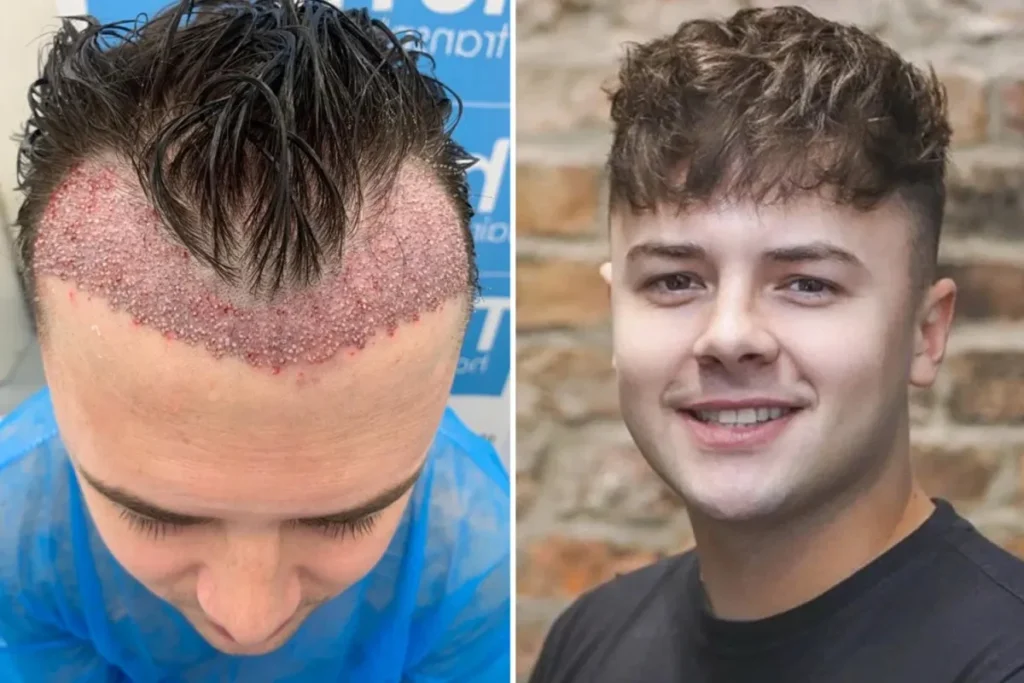
Starting a hair restoration journey can change your life. Knowing the recovery timeline is key to setting the right expectations and getting the best results.
At Liv Hospital, you’re in safe hands. Your journey starts with the surgery and goes through healing, shedding, dormancy, and new hair growth.
After 4-6 months, most patients see their new hair start to grow a lot. Knowing what to expect can make the wait less stressful. It helps you enjoy the changes over the next year. 3 month hair transplant month by month progress reveals exciting changes. Track your transformation and see how hair density improves over time.
Key Takeaways
Understand the hair transplant recovery timeline to manage expectations.
Significant growth starts after 4-6 months post-surgery.
The recovery process involves several phases: initial healing, shedding, dormancy, and new growth.
Liv Hospital provides complete support during your recovery.
Tracking progress month by month helps appreciate the transformation.
Understanding the Hair Transplant Recovery Timeline

Knowing the hair transplant recovery timeline is key to managing your hopes and getting the results you want. The path to a fuller head of hair after a transplant has several important stages. Each stage has its own features and goals.
What to Expect in Your Hair Restoration Journey
The journey to a fuller head of hair is complex. It starts with healing and goes through shedding, dormancy, and new growth. As Medical Expert, a renowned hair restoration specialist, says, “Understanding the recovery process and being patient is the key to a successful transplant.”
First, you’ll focus on healing and getting through the shedding phase. This can be tough. But with the right care and patience, the transplanted hair follicles will start to grow again.
Essential Documentation Methods for Tracking Progress
Tracking your progress is vital in the hair restoration journey. By documenting your recovery each month, you can see your transformation and enjoy the final results. As “Your hair transplant journey is unique, and documenting it helps you stay informed and confident.”
Here are some ways to track your progress:
Taking regular photographs to capture visible changes
Maintaining a journal to record observations and experiences
Scheduling follow-up appointments with your hair restoration specialist
Using these methods, you can fully track your hair transplant progress. And you’ll enjoy the amazing results of your hair restoration journey.
Medical Expert, Hair Restoration Expert
Early Recovery Phase: Weeks 1-4
The first four weeks after a hair transplant are key for healing and growth. During this time, the body goes through many changes as it reacts to the transplant.
Initial Healing Process (Days 1-10)
Right after the transplant, the body focuses on healing the areas where hair was taken and where it was put back. Swelling, redness, and scabbing are common symptoms in the first week. These signs are part of the body’s natural healing process and usually go away in a few days to a week.
To handle these symptoms, patients are told to follow a gentle care routine. This includes using cold compresses and special products for after the transplant.
As healing starts, keeping the scalp clean and gentle is important. This helps the healing process and lowers the chance of problems. Trichogenics, a trusted source on hair restoration, says proper care after the transplant is key for the best results.
The Shedding Phase Explained
Between weeks 2-4, the transplanted hair follicles go into a resting state, causing shedding. This phase can be alarming for patients, but it’s a normal and necessary step in the hair growth cycle. The shedding happens because the transplanted hairs are adjusting to their new place, and it’s a sign they’re getting ready for new growth.
It’s important to understand the shedding phase to manage expectations. It’s a temporary condition that comes before new hair growth. Patients should be ready for this phase and know it’s a necessary step towards their hair restoration goals.
3 Month Hair Transplant Month by Month Progress
The 3-month mark is a big deal in hair restoration. During this time, patients see their transplanted hair start to grow.
The Dormant Period (Months 1-3)
The first three months are a quiet time. The transplanted follicles are getting ready to grow. It’s important to be patient and know that the hair is adjusting.
First Signs of New Growth (Month 4)
By the fourth month, patients see the first signs of new hair. These are fine, thin “baby hairs.” This is a big moment, showing the start of more hair growth.
Milestone Markers: Months 5-6
Months 5 and 6 show more hair growth and thickness. Taking photos helps track this progress. Here’s what you can expect:
Knowing the hair transplant growth timeline and seeing hair transplant photos month by month helps patients see their progress. It’s a journey that takes patience, but the results are worth it.
Final Maturation and Long-Term Results
As the hair transplant journey ends, patients see big changes in their hair. By 9-12 months, they notice a big cosmetic boost. The transplanted hair gets stronger and thicker.
The final stage is when the hair looks most natural. It takes up to 12 months or more to see the best results. At 6 months, the hair looks good, but at 12 months, it’s even better.
Long-term results show how well the transplant works. By the 12-month mark, patients see the full beauty of their hair. They look more radiant and youthful.
FAQ
What is the typical hair transplant recovery timeline?
The recovery from a hair transplant takes about 12 months. It includes healing, shedding, a dormant phase, and new hair growth.
What can I expect during the early recovery phase?
In the early stages, you might see swelling, redness, and scabs. This happens in the first week. Then, from weeks 2-4, you’ll experience shedding as the transplanted hairs rest.
How long does the dormant period last after a hair transplant?
The dormant phase usually lasts from months 1-3. During this time, the transplanted follicles get ready for new hair growth.
When can I expect to see the first signs of new growth?
You’ll start to see new growth around month 4. At first, it’s fine and thin. But by months 5-6, it gets thicker and fuller.
How long does it take to see the final results of a hair transplant?
It can take up to 12 months or more to see the full results. By 9-12 months, you’ll notice a big improvement in hair density and texture.
How can I track my hair transplant progress?
Taking regular photos helps you see how your hair is growing. It’s a great way to track your progress and appreciate the changes.
Is shedding normal after a hair transplant?
Yes, shedding is normal after a hair transplant. It happens as the transplanted hair follicles rest before starting to grow again.
What is the final maturation phase in hair transplant recovery?
The final maturation phase is when the transplanted hair reaches its best state. It becomes stronger and thicker. You’ll see the full results around 12 months after the procedure.

