
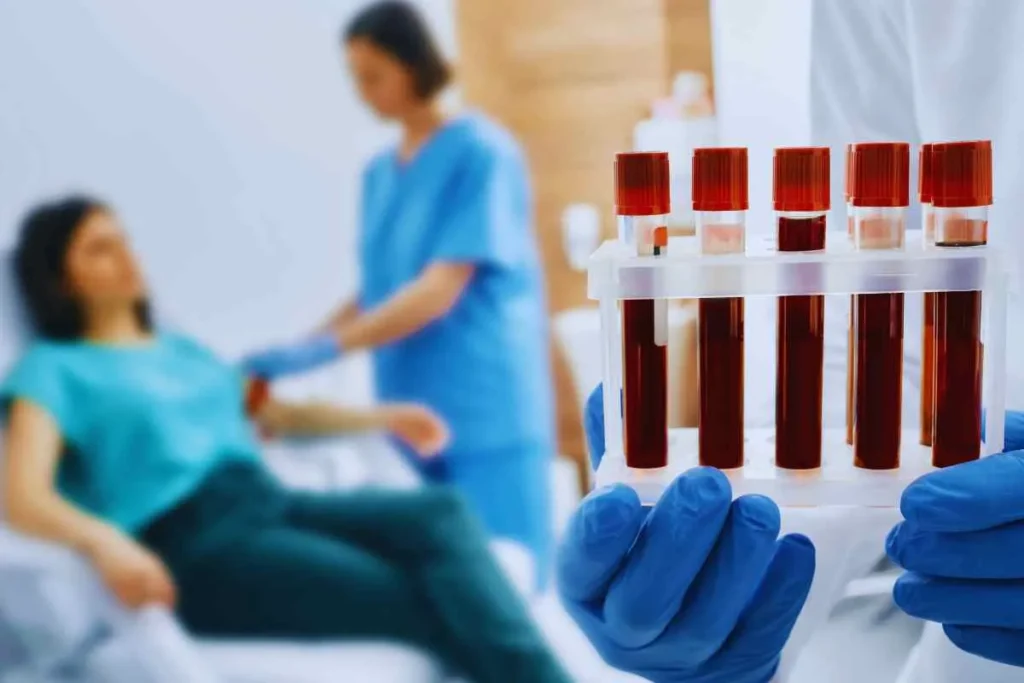
Are you noticing your hair is thinning or falling out? It’s important to find out why. Blood tests are key in figuring out what’s causing your hair loss. They help spot health issues, hormone problems, and nutrient gaps that might be making your hair fall out. Blood test for hair loss women is the first step to recovery. See the top tests you need to uncover hormonal or nutritional issues today.
Doctors use hormone tests and checks for nutrient gaps like iron and vitamin D. At GoldCity Center, they offer top-notch care. They aim to find the real reason behind your hair loss.
Key Takeaways
Identify underlying medical conditions causing hair loss
Understand the role of hormonal imbalances in hair thinning
Recognize the impact of nutritional deficiencies on hair health
Comprehensive blood work evaluations for accurate diagnosis
Personalized care for effective treatment plans
Understanding Female Hair Loss and Its Causes
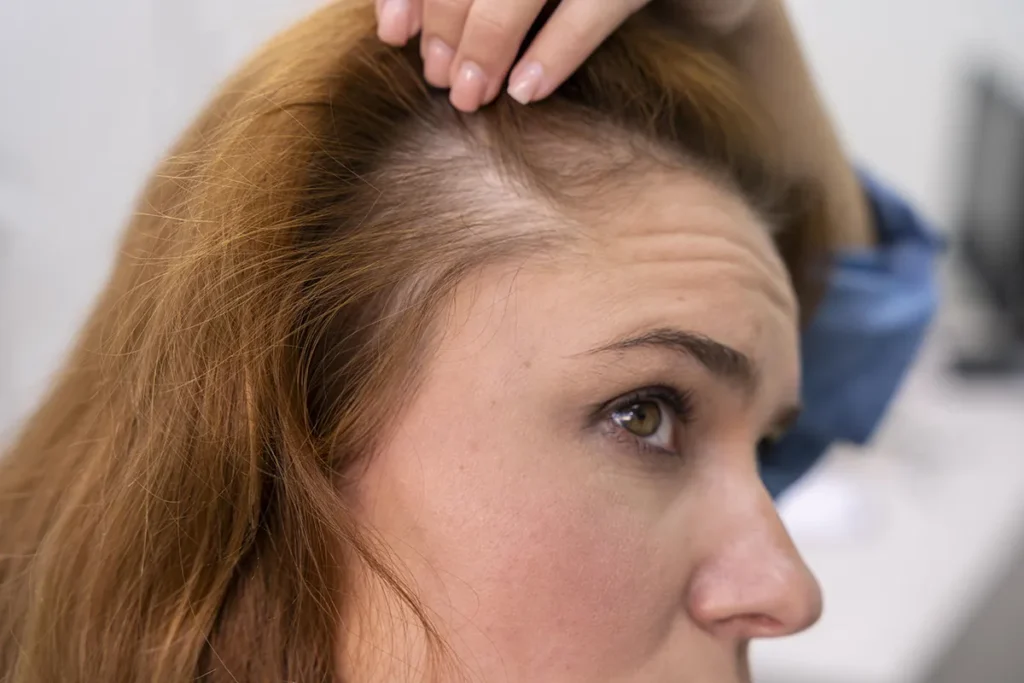
Female hair loss is a big health issue, hitting many women, mainly after menopause. Studies show 52 percent of postmenopausal women face female pattern baldness. This makes it a serious concern that needs attention and understanding.
Many factors can lead to female hair loss, from genetics to medical conditions. Knowing the common types and their causes is key for the right diagnosis and treatment.
Common Types of Female Hair Loss
Women can experience different types of hair loss, each with its own causes and signs. Here are some common ones:
Female Pattern Hair Loss (FPHL): The most common type, showing thinning hair on the scalp.
Alopecia Areata: An autoimmune disease causing patchy hair loss.
Telogen Effluvium: A condition leading to more hair shedding due to stress or hormonal changes.
For more details on these conditions, check out Patient.info to understand female hair loss better.
The Role of Medical Conditions in Hair Loss
Many medical conditions can lead to hair loss in women. These include:
When to Seek Medical Help
If you’re losing a lot of hair, it’s time to see a doctor. They can do hair loss blood work or labs to check for hair loss to find the cause.
Look out for these signs to know when to seek medical help:
Sudden or excessive hair loss
Hair loss with other symptoms like fatigue or weight changes
Family history of hair loss or autoimmune diseases
Essential Blood Tests for Hair Loss Women Need to Consider
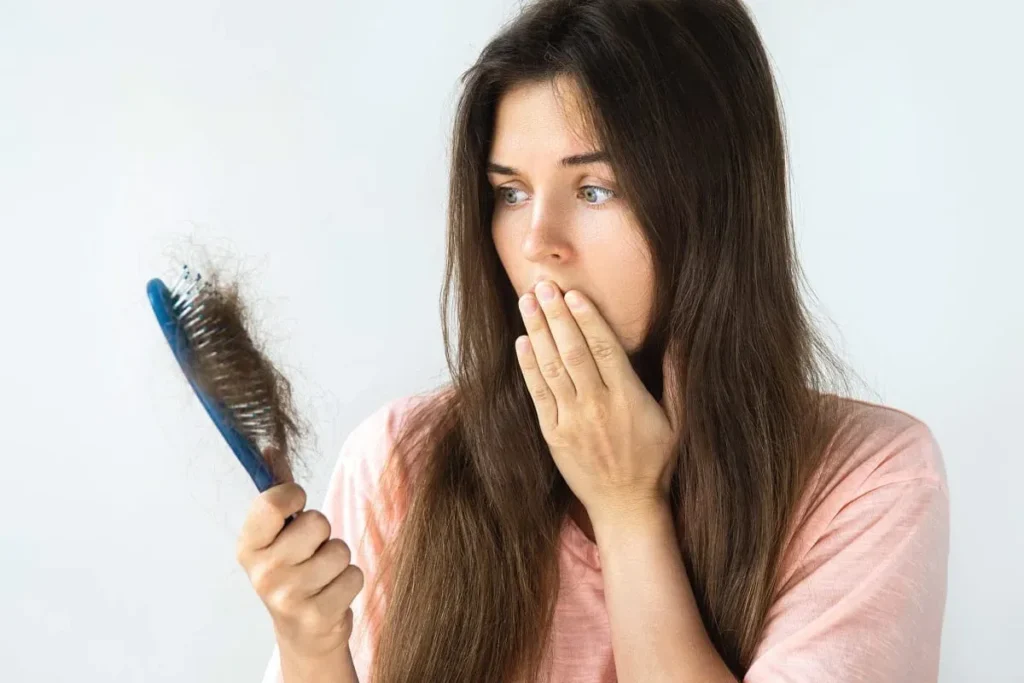
Female hair loss can be complex. Certain blood tests are key to finding the cause. Knowing about these tests helps women manage their hair health.
Thyroid Function Tests (TSH, T3, T4)
The thyroid gland affects hair growth. Tests for TSH, T3, and T4 check for thyroid problems. Thyroid issues are a common cause of hair loss in women. Fixing these hormone imbalances can help hair grow back.
Complete Blood Count (CBC)
A CBC checks many blood parts, like red and white blood cells. It spots issues like anemia, infections, or inflammation that might cause hair loss. A CBC is a key tool for checking overall health and its effect on hair.
Iron and Ferritin Level Tests
Iron deficiency often leads to hair loss, more in women. Testing iron and ferritin levels shows if low iron is a problem. Keeping iron levels healthy is important for hair growth. Supplements or diet changes can fix deficiencies.
Hormone Level Testing
Hormonal imbalances, like those in androgens and estrogen, can cause hair loss. Testing hormone levels can find imbalances that lead to thinning or loss. Understanding how hormones affect hair loss helps find the right treatments, like hormonal therapies.
By getting these blood tests, women can learn about their hair health. They can find the reasons for hair loss. This knowledge helps them choose the right treatments and care for their hair.
Conclusion: Next Steps After Your Blood Test Results
Getting your blood test results is a big step in fighting hair loss. A blood test for alopecia can spot issues that slow down hair growth. Talk to a doctor to understand your results and find the best treatments.
It’s important to know how blood and hair health are linked. Your doctor might suggest supplements or medicines based on your test. This could be for nutrient gaps or hormonal problems.
Start taking care of your hair to make it look great. Fixing hair loss issues can make your hair shine. Begin your journey to lasting beauty today.
Feel confident and radiant with healthy hair. With the right help, you can beat hair loss and look amazing.
FAQ
What are the most common blood tests for hair loss in females?
Common blood tests for hair loss in females include thyroid function tests and a complete blood count (CBC). They also include iron and ferritin level tests, and hormone level testing. These tests help find medical conditions that may cause hair loss.
Why are blood tests necessary for diagnosing hair loss?
Blood tests are key for diagnosing hair loss. They help find medical conditions like thyroid disorders, anemia, or hormonal imbalances. This way, doctors can create a good treatment plan.
What does a thyroid function test measure?
A thyroid function test checks the levels of TSH, T3, and T4 in the blood. These hormones are important for hair growth. Imbalances can lead to hair loss.
How does iron deficiency affect hair loss?
Iron deficiency can cause hair loss because iron is needed for hemoglobin. Hemoglobin carries oxygen to hair follicles. Without enough iron, hair growth slows down, leading to hair loss.
What is the role of hormone level testing in diagnosing hair loss?
Hormone level testing finds hormonal imbalances that may cause hair loss. This includes conditions like polycystic ovary syndrome (PCOS). Doctors can then create a treatment plan based on these findings.
What should I do after receiving my blood test results for hair loss?
After getting your blood test results, talk to a healthcare professional. They will discuss the findings and suggest the best next steps. They might recommend treatments or more tests.
Can blood tests diagnose the underlying cause of hair loss?
Blood tests can find medical conditions that may cause hair loss. But, they might not always find the exact cause. A full diagnosis often needs blood tests, medical history, and a physical exam.
Are there any additional tests that may be required to diagnose hair loss?
Yes, more tests like scalp biopsies or hair analysis might be needed. This depends on your symptoms and medical history.
How can I prepare for blood tests for hair loss?
To prepare for blood tests, you might need to fast or avoid certain medicines. Your doctor will tell you exactly what to do.
Can blood tests for hair loss be done at any time?
Blood tests for hair loss can be done anytime. But, some tests, like hormone level testing, need to be done at a specific time in your menstrual cycle.
References
National Center for Biotechnology Information. Evidence-Based Medical Insight. Retrieved from https://www.ncbi.nlm.nih.gov/pmc/articles/PMC12651287/





