
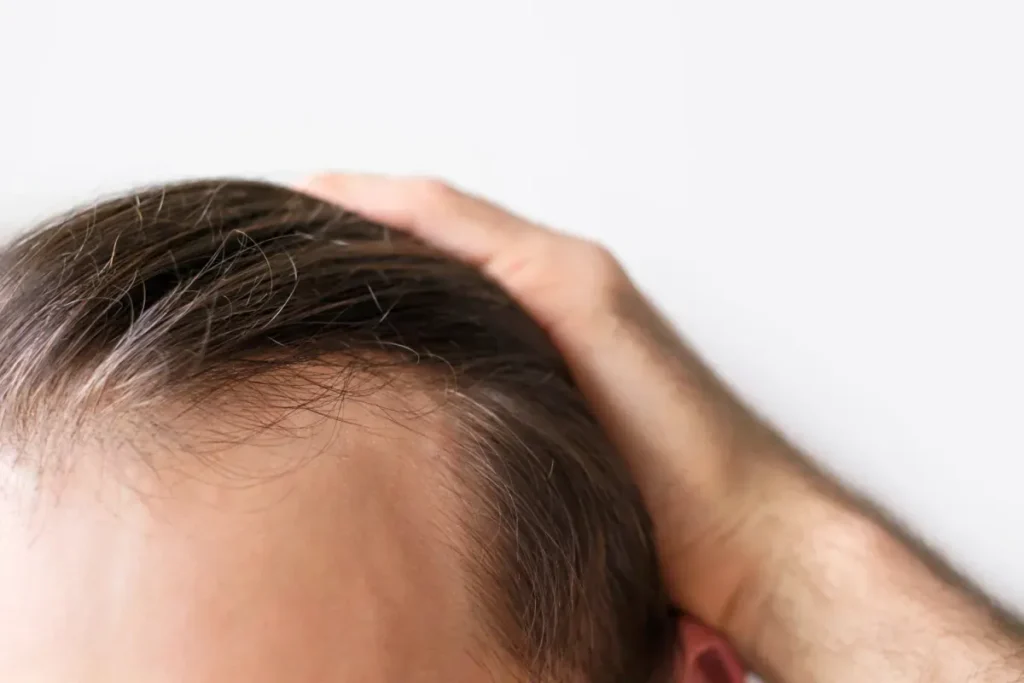
Hair loss is a big worry for many, causing sadness and low self-esteem. While some hair fall is normal, unusual patterns mean it’s time to see a doctor. Dermatologists are experts in skin, hair, and nails. They are the best to help with hair loss. Can a dermatologist help with hair loss? Yes! Learn how an expert diagnosis and medical treatment plan can save your thinning hair now.
Knowing why you’re losing hair can help you feel better and more confident. Dermatologists create special plans for you, using everything from creams to other treatments. If you’re seeing your hair thin or falling out, seeing a dermatologist is a big step towards better hair.
Key Takeaways
Dermatologists specialize in diagnosing and treating hair loss conditions.
Personalized treatment plans are tailored to individual needs.
Proven treatments range from topical medications to other therapies.
Consulting a dermatologist can help regain confidence.
Understanding the root cause is key for effective treatment.
Understanding Hair Loss and Its Prevalence
Hair loss is a common worry for millions around the world. It doesn’t care about age or gender. Knowing about hair loss helps us tackle its effects on people, as many face it at some point.
About 85 percent of men will lose some hair in their lives. For women, it’s about one-third. Losing 50 to 100 hairs a day is normal. But, if you lose more or your hair doesn’t grow back, it might be a sign of a problem.
Common Types of Hair Loss
There are many types of hair loss. Male and female pattern baldness are the most common. Alopecia areata and telogen effluvium are other types. Alopecia areata is an autoimmune condition causing patchy hair loss. Telogen effluvium happens due to stress or hormonal changes.
Male Pattern Baldness: A receding hairline and thinning at the crown.
Female Pattern Baldness: A diffuse thinning over the scalp.
Alopecia Areata: An autoimmune condition causing patchy hair loss.
Telogen Effluvium: Excessive hair shedding due to stress or hormonal changes.
Statistics on Hair Loss in Men and Women
Hair loss affects both men and women a lot. By 35, two-thirds of American men start losing hair. Women see an increase in hair loss after menopause.
A dermatologist says, “Hair loss is treatable. Knowing the cause is the first step to finding a solution.”
Understanding hair loss and its types is the first step to dealing with it. Seeing a dermatologist or hair loss specialist can help find the cause and treatment.
Can a Dermatologist Help With Hair Loss?
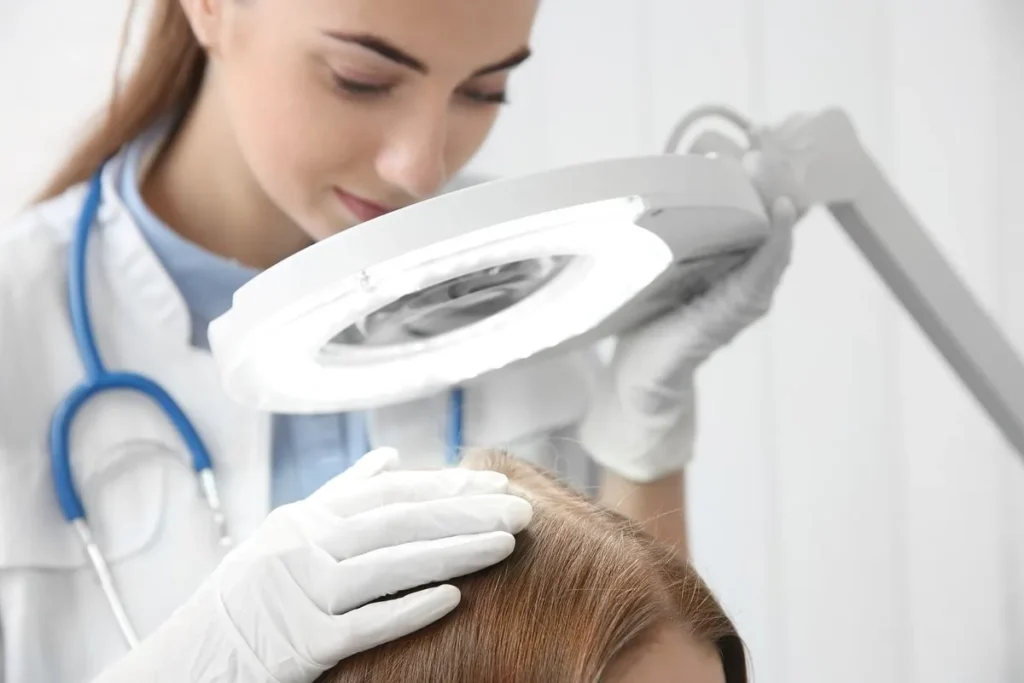
Dermatologists are key in finding and treating hair loss. They create treatment plans that fit you. They know a lot about hair health and can find the cause of your hair loss.
The Role of Board-Certified Dermatologists in Hair Health
Board-certified dermatologists are trained to handle hair loss. They can deal with many hair loss problems, from alopecia areata to health-related issues. The American Academy of Dermatology says they offer full care for hair loss.
They are experts in hair health. They can:
Find the cause of hair loss
Give you a treatment plan that’s just for you
Help with hair care and keeping it healthy
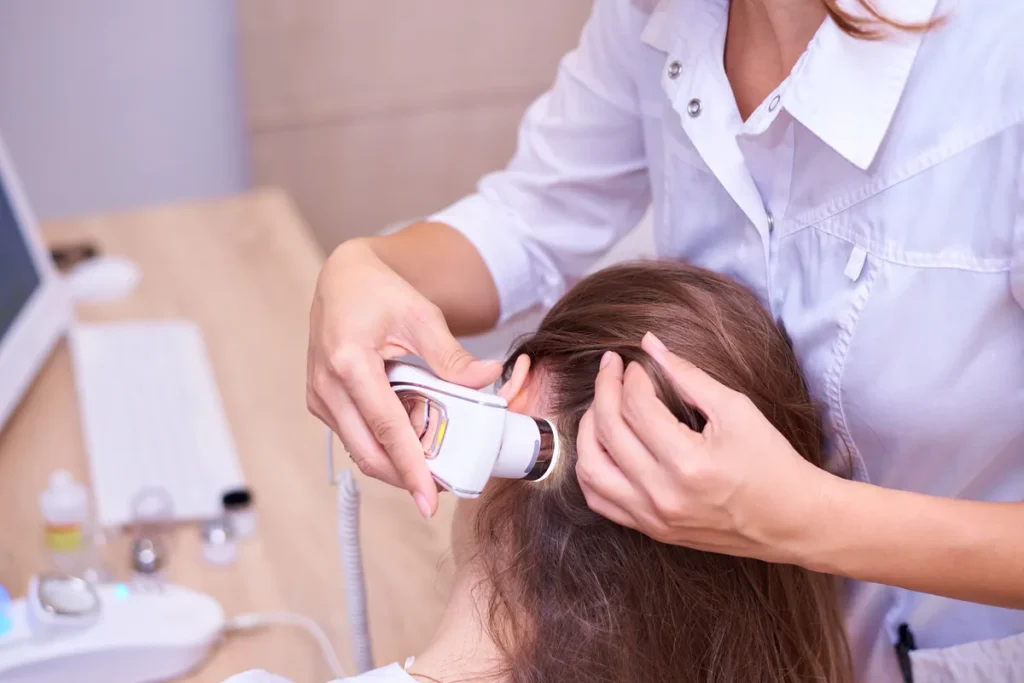
Diagnostic Methods Used by Dermatologists
Dermatologists use different ways to find out why you’re losing hair. They look at:
Your medical history
The scalp during a physical check-up
Blood tests for health problems
Scalp biopsies sometimes
Curtis Raskin, MD, says, “It’s important to track your health and any changes in medication.” This helps find the real reason for hair loss.
When to See a Dermatologist for Hair Loss
If you’re losing a lot of hair, see a dermatologist. They can find the cause and suggest the right treatment. A dermatologist can make a big difference with a plan that’s just for you.
Look for these signs to see a dermatologist:
Too much hair falling out
Bald spots or thinning hair
Hair loss with itching or redness
Seeing a dermatologist is the first step to fixing your hair loss and feeling better.
Treatment Options Offered by Dermatologists
Dermatologists have many ways to fight hair loss. They use medicines and new non-medicine methods. They pick the best treatment for each person to get the best results.
Medication-Based Treatments
Medication-based treatments help many people with hair loss. Dermatologists often give minoxidil (Rogaine) to make hair grow and slow loss. They also give finasteride (Propecia) to lower DHT, a hormone that shrinks hair follicles.
They might also suggest topical corticosteroids to fight inflammation and keep the scalp healthy. New treatments like clascoterone are showing great promise in trials, giving hope to those losing hair.
Non-Medication Approaches
Dermatologists also offer non-medication approaches for hair loss. They might suggest hair transplant procedures to move healthy hair to thinning spots. Other surgeries like scalp reduction or tissue expansion can also help.
Paul Rose, MD, a dermatologist, says starting treatment early is important. It helps prevent permanent hair loss. With these options, people can work with their dermatologist to find the best treatment for them.
Conclusion
Starting a journey to fight hair loss can change your life. A dermatologist is your main ally in this quest. They help you find ways to grow a fuller, healthier head of hair.
Dealing with hair loss takes time. You might see changes in a few months. Stick to your dermatologist’s advice to get the best results and keep your hair healthy.
Your journey to better hair is unique. With the right help, you can make your hair shine. Begin your path today and feel confident in your beauty. A dermatologist will guide you to treatments that make your hair look amazing.
FAQ
What doctor specializes in hair loss?
A dermatologist specializes in hair loss. They are experts in diagnosing and treating various hair loss conditions. They provide personalized treatment plans to address your specific needs.
Do dermatologists deal with hair loss?
Yes, dermatologists deal with hair loss. They are trained to diagnose and treat various hair loss conditions. This includes alopecia, thinning hair, and hair regrowth.
What type of doctor should I see for female hair loss?
For female hair loss, see a board-certified dermatologist. They can diagnose the underlying causes of hair loss. They provide effective treatment options tailored to your specific needs.
Does a dermatologist help with hair loss?
Yes, a dermatologist can help with hair loss. They can diagnose the underlying causes, recommend treatment options. They also provide guidance on how to promote hair regrowth and prevent further hair loss.
What do dermatologists do for hair loss?
Dermatologists diagnose the underlying causes of hair loss. They recommend treatment options and provide guidance. They may prescribe medication, suggest non-medication approaches, or a combination of both.
What is the role of a dermatologist in treating hair loss?
A dermatologist plays a key role in treating hair loss. They diagnose the underlying causes and develop personalized treatment plans. They also provide guidance on how to promote hair regrowth and prevent further hair loss.
Can a dermatologist help with thinning hair?
Yes, a dermatologist can help with thinning hair. They can diagnose the underlying causes, recommend treatment options. They provide guidance on how to promote hair regrowth and prevent further thinning.
Are there different treatment options available from dermatologists for hair loss?
Yes, dermatologists offer various treatment options for hair loss. This includes medication-based treatments, non-medication approaches, and a combination of both. They help you determine the best course of treatment for your specific needs.
References
National Center for Biotechnology Information. Evidence-Based Medical Insight. Retrieved from https://pubmed.ncbi.nlm.nih.gov/21980982/





