
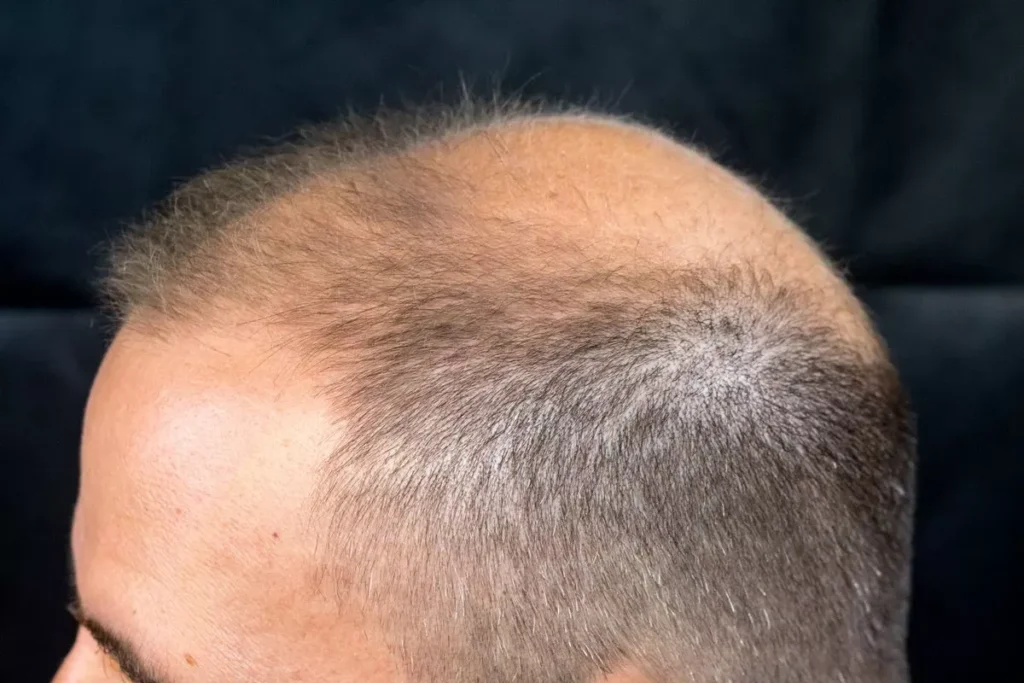
Your hairline is a unique part of your look, shaped by genes and hormones. Studies reveal that most men have either a linear or M-shaped hairline. About 45.9% have linear hairlines, and 42.6% have M-shaped ones.
Genetics are key in shaping your hairline shape. But, today’s medicine offers ways to slow down, stop, or even change it. At GoldCity Center, skilled dermatologists use the latest research and care to guide you in your hairline choices. Can I Change My Hairline? Explore incredible options from surgery to styling that can transform your look and give you the perfect hairline.
Key Takeaways
Understand the different types of hairline shapes and their prevalence.
Learn about the factors influencing your hairline, including genetics and hormones.
Discover the various options available for altering or preserving your hairline.
Find out how GoldCity Center’s dermatologists can help you achieve your desired hairline.
Get insights into the latest medical advancements in hairline treatment.
Understanding Different Hairline Types
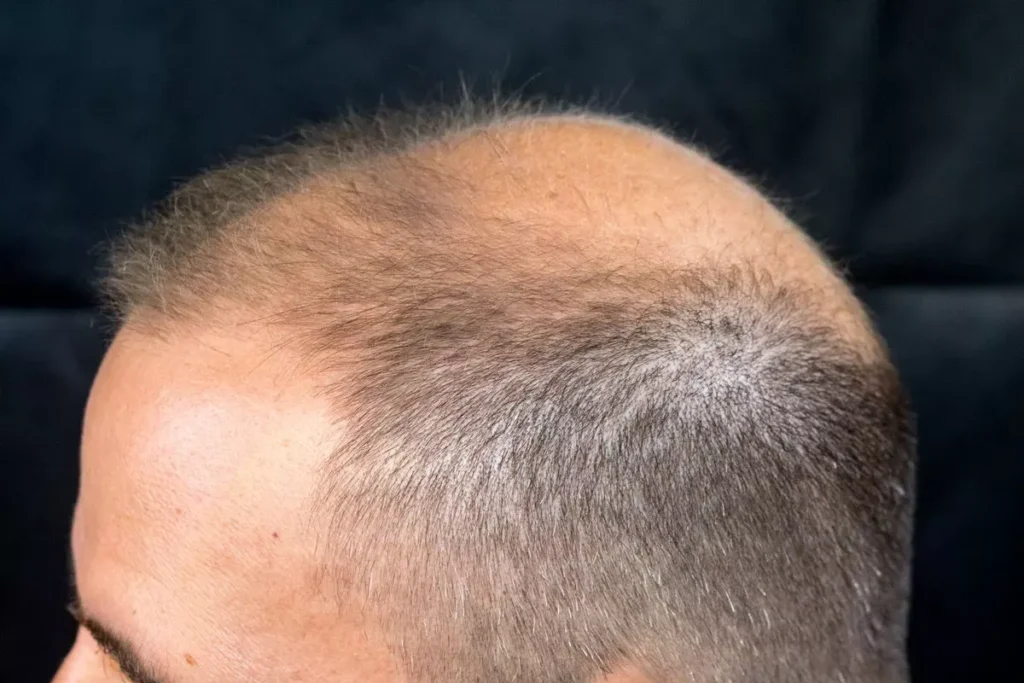
Your hairline’s shape and look can greatly affect how you feel about yourself. There are many types of hairlines, each with its own look. Knowing about these can help you find out what yours is and what you might want to change or improve.
Linear Hairlines
A linear hairline is straight across your forehead. It’s seen in 45.9% of men, making it very common. This type is often seen as youthful and can make your face look good.
M-Shaped and Receding Hairlines
M-shaped hairlines, linked to receding hairlines, have a clear “M” shape due to hair loss at the temples. This is found in 42.6% of men and is a sign of male pattern baldness. Such hairlines can change how you look and might make you want to explore hair restoration.
Round and Triangular Hairline Patterns
Round and triangular hairlines are softer and more curved than linear or M-shaped ones. Though not as common, they can make your face stand out. Knowing about these types can help you pick the best hairstyle or hair restoration method.
Factors Affecting Your Hairline
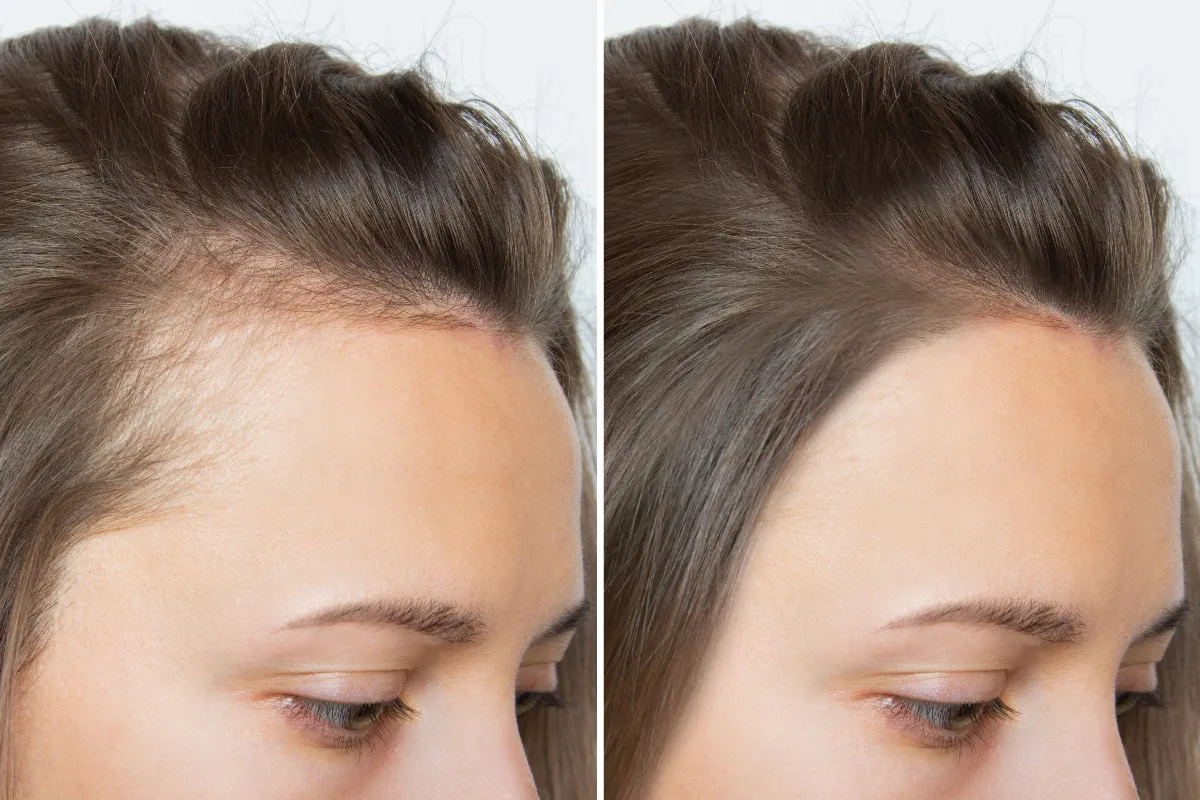
Many things shape and keep your hairline looking good, like your genes, DHT levels, and age. Knowing about these can help you understand your hairline better and why it might change.
Genetic Predisposition and Inheritance Patterns
Your genes play a big role in your hairline. Studies show that male-pattern baldness, which often shows as a receding hairline, comes from many genes. Genes from both parents can influence your hair loss risk and hairline shape.
A study in the Journal of Clinical and Aesthetic Dermatology found that people with balding family members are more likely to lose hair. But, the complex ways genes are passed down make it hard to know for sure how your hairline will change.
– Journal of Clinical and Aesthetic Dermatology
The Role of DHT in Hair Follicle Miniaturization
Dihydrotestosterone (DHT) is a strong form of testosterone that shrinks hair follicles. This is a key part of male-pattern baldness. DHT makes hairs thinner, shorter, and can lead to hair loss.
Age-Related Changes and Statistics
Age also affects your hairline. As men get older, hair loss and changes in hairline shape become more common. By 50, about 50% of men have some hair loss.
Genetic predisposition and hormonal changes add to age-related hairline changes. Knowing this can help you understand and possibly treat these changes.
Can I Change My Hairline? Available Options
Wondering if you can change your hairline? The answer is yes, with many treatments available. Changing your hairline can boost your look and confidence.
Non-Surgical Methods
Non-surgical treatments are a gentle way to change your hairline. They include medicines and laser treatments for hair growth and line changes.
Medications: Finasteride and Rogaine help with hair loss. They can make your hairline look fuller.
Laser Hair Removal: This method removes unwanted hair. It can reshape your hairline.
Electrolysis: A permanent hair removal. It’s great for fine-tuning your hairline.
Surgical Procedures
For bigger changes or a lasting fix, surgical options are there.
Hair Transplantation: This moves healthy hair to your front. It gives a natural look.
Thinking about changing your hairline? Know the good and bad of each method. Here’s a table comparing non-surgical and surgical options:
Choosing between non-surgical and surgical methods depends on what you want, how much you want to change, and your budget.
Conclusion: Realistic Expectations and Maintenance
Keeping your hairline healthy needs good hair care and a balanced diet. Knowing about different hair lines helps a lot. If you want to change your hairline or keep it healthy, setting realistic goals is important.
If you’re thinking about changing your hairline, know what treatments can do. Each hairline type, like linear or M-shaped, needs a special plan. With the right care and knowledge, you can have a healthy, shiny hairline that makes you feel great.
A well-kept hairline is key to looking polished. Mix good hair care with expert advice to reach your beauty goals. This way, you can have a hairline that makes you look and feel your best.
FAQ
What are the different types of hairlines?
Hairlines come in several types. These include linear, M-shaped, receding, round, and triangular. Each type has its own look and is seen more in some people than others.
Can genetics affect my hairline?
Yes, your genes can shape your hairline. The traits you inherit can make you more likely to have certain types of hairlines.
How does DHT impact the hairline?
DHT causes hair follicles to shrink. This can make your hairline recede. Knowing about DHT is key to dealing with hairline issues.
Can I change my hairline without surgery?
Yes, you can try non-surgical methods. Options like medications and laser treatments can slow down or even reverse hairline recession.
What are the surgical options for changing my hairline?
Surgery, like hair transplantation, can change your hairline. It moves healthy hair follicles to where you want them.
How can I maintain a healthy hairline?
To keep your hairline healthy, take good care of your hair. Eat well and avoid things that cause hair loss. Also, see a dermatologist regularly.
Are there different hairline shapes for men and women?
Yes, hairline types are similar but differ in men and women. Men often see their hairline recede more.
Can age affect my hairline?
Yes, aging can change your hairline. As you get older, hair grows slower and follicles shrink, affecting your hairline.
What are the benefits of a defined hairline?
A clear hairline can make your face look better and boost your confidence. It shapes your face and greatly affects how you look.
Can I achieve a more defined hairline?
Yes, you can get a more defined hairline with the right treatments. Talking to a professional can help find the best way to do it.
References
National Center for Biotechnology Information. Evidence-Based Medical Insight. Retrieved from https://pubmed.ncbi.nlm.nih.gov/28421366/





