
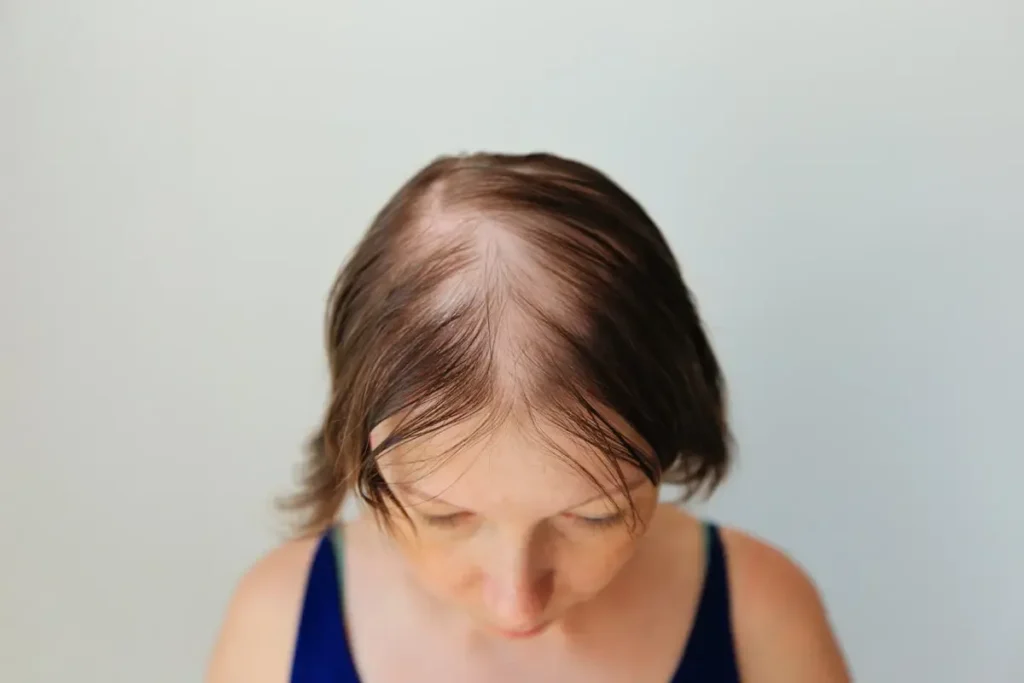
If you’re taking prednisone and have noticed your hair thinning or falling out, you’re not alone. Many patients report experiencing hair loss while on this powerful corticosteroid medication.
The relationship between prednisone and hair loss is complex and often misunderstood. At GoldCity Center, we emphasize providing clear, trustworthy information about medication side effects so you can make informed decisions about your treatment.
Understanding the effects of prednisone on your hair is key. This article will explore the connection between prednisone and hair loss. It aims to help you navigate this challenging issue.
Key Takeaways
Prednisone is a widely prescribed corticosteroid medication.
Hair loss is a reported side effect, though not always officially listed.
The relationship between prednisone and hair loss is complex.
Understanding the cause can help in managing the condition.
GoldCity Center provides patient-centered care and information.
Understanding Prednisone and Its Medical Uses
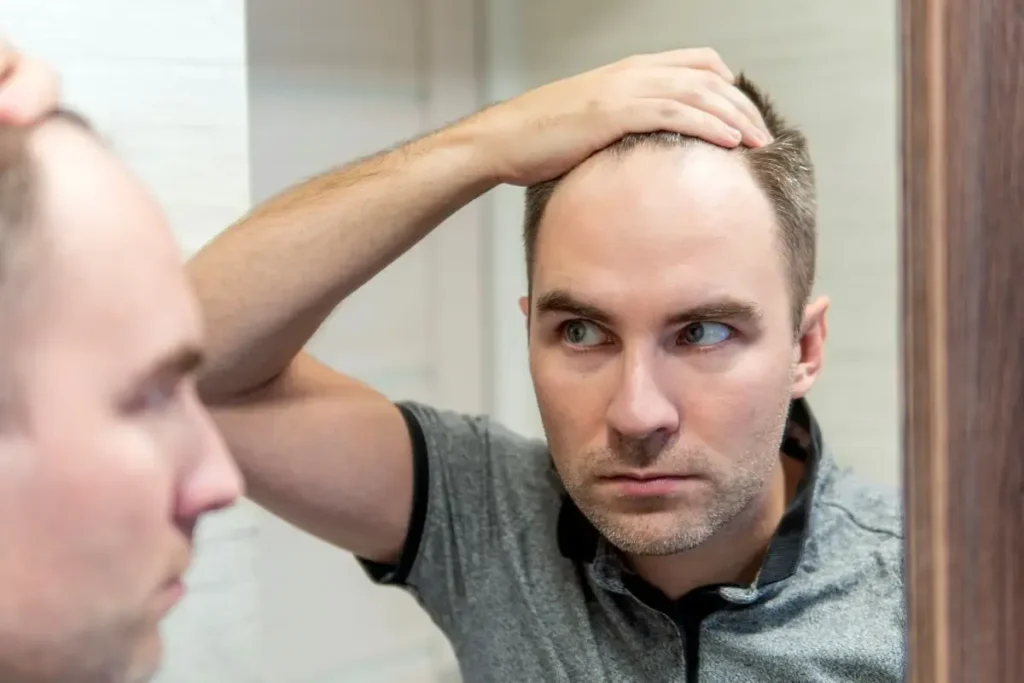
Prednisone is a strong corticosteroid used to fight many inflammatory and autoimmune diseases. It helps reduce swelling, redness, and irritation. This makes it useful for treating different health problems.
What Is Prednisone?
Prednisone is a man-made version of cortisol, a hormone our bodies make. It works like cortisol to calm down the immune system and lessen inflammation. This helps treat conditions with too much inflammation.
Key characteristics of prednisone include:
Anti-inflammatory properties
Immunosuppressive effects
Ability to be administered orally or via injection
Common Conditions Treated with Prednisone
Prednisone helps with many health problems, like severe allergies, asthma, and some skin issues. It’s good at reducing inflammation and controlling the immune system.
Doctors say prednisone is very helpful for many patients. One doctor said, “Prednisone is a powerful tool in managing inflammatory conditions, giving relief to patients with severe symptoms.”
A healthcare professional
Knowing how prednisone works helps patients understand their treatment better. This way, they can make better choices for their health.
Can Prednisone Cause Hair Loss? The Evidence
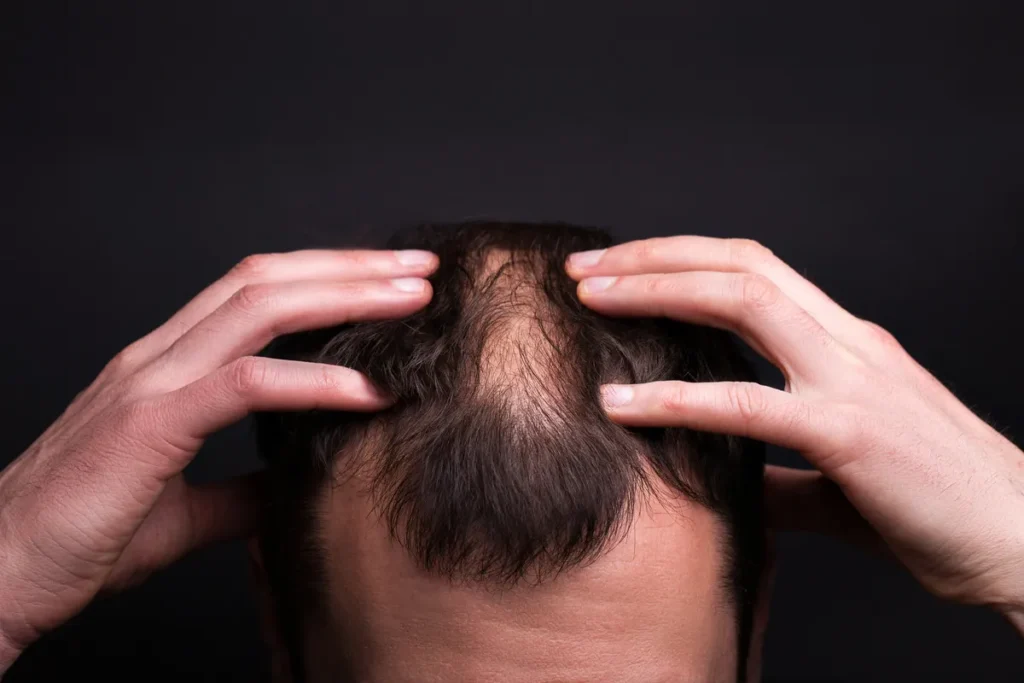
Prednisone and hair loss have been studied a lot in medical research. This corticosteroid is used to treat inflammation. Many worry about its effect on hair growth.
Research Findings on Prednisone and Hair Loss
Research shows that prednisone can cause hair thinning and shedding in some. It’s not always listed as a side effect, but many patients notice it. The reasons include higher DHT levels and changes in the hair growth cycle.
Clinically proven studies show prednisone can disrupt hair growth. This can lead to more hair shedding.
Patient Reports vs. Clinical Documentation
Many patients say they notice hair thinning while on prednisone. But, some medical records don’t mention hair loss as a common side effect.
Looking at patient stories and studies, we see a mixed picture. Some people lose a lot of hair, while others don’t notice any change. This shows that how people react to prednisone can be very different.
Is Hair Loss Temporary or Permanent?
How long hair loss lasts from prednisone varies. For some, it goes away when they stop taking the drug. But for others, it might last longer.
Reassuringly, many people see their hair grow back after stopping prednisone. But, it’s key to talk to your doctor about any hair loss concerns. They can help weigh the benefits and risks of using prednisone.
How Prednisone Affects Hair Growth
Prednisone, a corticosteroid, can change hair growth patterns. It can cause hair loss and excessive hair growth. This happens because of its effect on hormones and hair follicles.
Mechanisms Behind Prednisone-Related Hair Loss
Prednisone raises dihydrotestosterone (DHT) levels. High DHT levels shrink hair follicles, making hairs thinner and shorter. This can lead to hair loss. It also disrupts the hair growth cycle, causing more hairs to stop growing. This is called telogen effluvium and leads to more hair shedding.
“The hormonal changes from prednisone deeply affect hair growth,” says a dermatology expert. “Knowing these changes is key to managing hair loss from prednisone.”
The Paradox: When Prednisone Causes Excessive Hair Growth
In some cases, prednisone leads to hirsutism. This is when there’s too much hair on the face and body. It happens because prednisone changes androgen levels, causing more hair in some areas. While it might be good for some, it can be upsetting for others, mainly if the hair is too much or in the wrong places.
The way prednisone affects hair growth shows how complex it is. Understanding how it works on hair follicles and hormones is essential for managing its effects.
Prednisone can cause hair loss by raising DHT levels and messing with the hair growth cycle.
It can also cause too much hair growth in some people because of its impact on androgens.
Knowing how prednisone affects hair is important for managing its hair-related changes.
By understanding how prednisone affects hair, people can take steps to protect their hair health. Whether losing hair or growing too much, talking to a healthcare professional can help. They can offer advice and support tailored to your situation.
Conclusion: Managing Hair Changes the During Prednisone Treatment
Prednisone-induced hair loss can be upsetting. But knowing why it happens helps you deal with it. Yes, prednisone can cause hair loss, but it’s usually temporary.
When you stop taking prednisone or lower the dose, your hair should grow back. To help your hair grow, take good care of your scalp and be patient. With the right steps, your hair will likely get back to normal.
Feel confident by taking charge of your hair care. Yes, your hair will grow back after prednisone. Learning about prednisone and hair loss helps you shine and embrace your beauty.
Your journey to looking great begins now. With the right knowledge and care, you can handle prednisone and hair loss easily. Remember, hair loss from prednisone is just a temporary issue. With patience and the right care, your hair will thrive.
FAQ
Does prednisone cause hair loss in everyone who takes it?
No, not everyone who takes prednisone will lose their hair. The chance of hair loss depends on many factors. These include the dose, how long you take it, and your overall health.
Can prednisone make you lose your hair permanently?
Usually, hair loss from prednisone is temporary. Hair often grows back after stopping the treatment or lowering the dose. But, sometimes hair loss can last. Always talk to a doctor for advice.
How does prednisone affect hair growth?
Prednisone can mess up the normal hair growth cycle. This can lead to more hair falling out. It can also cause too much hair growth, mainly in women, because of hormonal changes.
Will my hair grow back after stopping prednisone?
Yes, most of the time, hair loss from prednisone is reversible. Hair usually grows back after stopping the treatment or lowering the dose. Good scalp care and patience can help with hair regrowth.
Can I prevent hair loss while taking prednisone?
You can’t completely stop hair loss, but you can reduce the risk. Taking care of your scalp, using gentle hair products, and eating well can help.
Is there a link between prednisone dosage and hair loss?
Yes, higher doses or longer treatment times may increase hair loss risk. But, how well you tolerate prednisone varies. Not everyone loses hair, even at high doses.
Can prednisone cause hair thinning?
Yes, prednisone can cause hair to thin, which might lead to more hair loss. If you notice thinning, see a doctor for advice on keeping your hair healthy.
Does prednisone affect hair texture?
Prednisone might change hair texture in some people. This can make hair feel different or look less healthy. But, this is rare, and most people don’t see big changes.
References
National Center for Biotechnology Information. Evidence-Based Medical Insight. Retrieved from https://pubmed.ncbi.nlm.nih.gov/8489728/





