
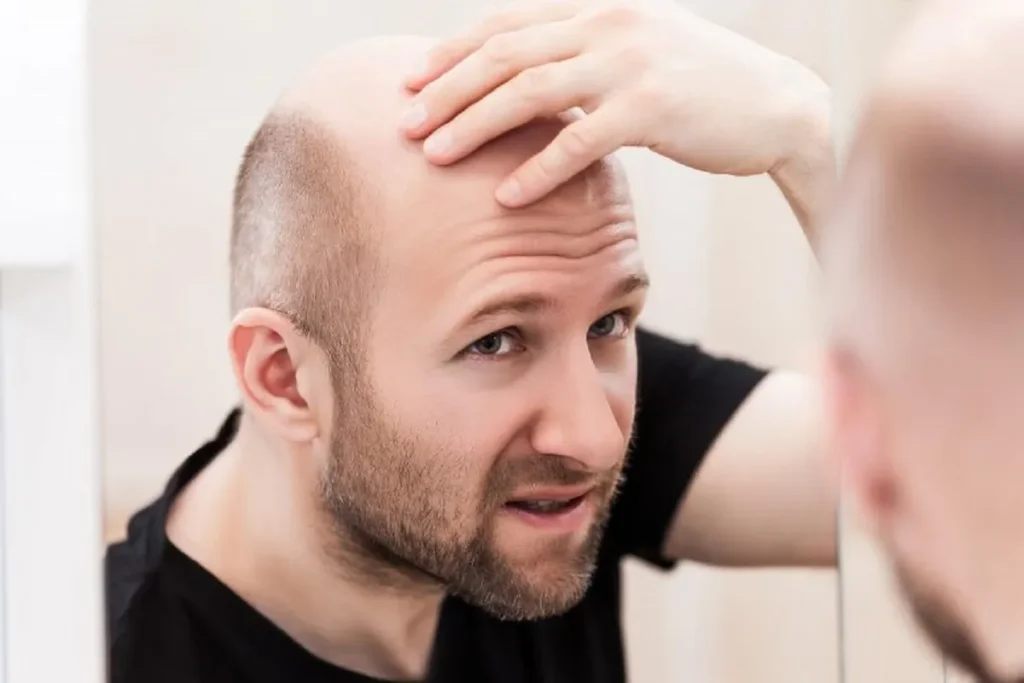
Hair loss in the front and crown of the scalp affects millions of women. It causes a lot of emotional pain and lowers their self-confidence. Frontal female pattern baldness is the most common type. It starts with thinning hair while keeping the hairline intact. This condition gets worse after menopause.
It’s important to know the causes and recognize the patterns of hair loss. Also, finding proven treatment options is key. In this guide, we’ll look at frontal hair loss and how to treat it.
Key Takeaways
Frontal female pattern baldness is a common condition affecting millions of women worldwide.
Understanding the underlying causes is key for managing it well.
There are evidence-based treatment options for hair loss.
Spotting the patterns of hair loss is vital for diagnosis.
A detailed guide can help women deal with hair loss.
Understanding Frontal Female Pattern Baldness

Frontal female pattern baldness is a common condition where hair thins and falls out, mainly on the front of the scalp. It affects women of all ages, but gets worse with age. A big part of it is due to genetics.
Common Causes and Risk Factors
Frontal female pattern baldness is linked to frontal fibrosing alopecia (FFA). This condition causes swelling and irritation on the scalp, leading to hair loss and scarring. Knowing the causes and risk factors is key for early treatment.
Genetic predisposition
Hormonal changes
Age
Autoimmune disorders
For more info on female pattern hair loss, check out this resource. It has the latest research and treatments.
Recognizing the Early Signs and Progression
Spotting the early signs of frontal female pattern baldness is important. Look for hair loss from the eyebrows before the hairline changes. As it gets worse, hair loss on the front scalp becomes more obvious. Knowing these changes helps address the issue early.
By understanding the causes, risk factors, and early signs, women can manage their hair loss. This helps keep their confidence up.
Diagnosing Hair Loss in Women
Figuring out why women lose hair is complex. It needs a full look at the causes, symptoms, and treatments. This helps find the best way to stop hair loss.
When to Seek Professional Help
If you’re losing a lot of hair, you should get help from a pro. A doctor or dermatologist can find out why you’re losing hair. They’ll then suggest the best treatment.
Here are some signs you need to see a doctor:
Excessive hair shedding or thinning
Hair loss with itching or redness
Sudden or patchy hair loss
Diagnostic Tests and Procedures
Tests and procedures are key to finding hair loss causes. A detailed check-up and looking at your medical history are vital for a correct diagnosis.
Some tests include:
Blood tests for ferritin, full blood count, thyroid function, androgens, vitamin D, vitamin B12, and folate levels
A scalp check to see scalp health and look for signs of fibrosis or inflammation
These tests help doctors find the hair loss cause. They then create a treatment plan to help you.
Effective Treatment Options for Frontal Female Pattern Baldness
There are many ways to treat frontal female pattern baldness. These include topical treatments and advanced surgeries. They aim to slow hair loss, grow new hair, and boost confidence.
Topical Treatments and Medications
Topical treatments are a common first step. Minoxidil is a well-known topical that helps hair grow and slows loss. It’s easy to find and works well.
Oral Medications and Hormone Therapy
Oral meds and hormone therapy tackle hair loss caused by hormones. Finasteride is an oral drug that helps with female hair loss, though it’s mainly for men. Hormone therapy is also an option for women with hair loss due to hormones.
Advanced Procedures and Surgical Options
For severe cases, advanced treatments and surgeries are considered. Platelet-rich plasma (PRP) therapy uses injections to boost hair growth. Hair transplantation moves healthy follicles to thinning spots.
There are many effective treatments for frontal female pattern baldness. Each treatment can be chosen based on individual needs. Knowing about these options helps women manage their hair loss better.
Conclusion: Managing Hair Loss and Maintaining Confidence
Managing hair loss needs a full plan. This includes medical help, lifestyle changes, and makeup tricks. Knowing the reasons, how to find out, and how to treat frontal female pattern baldness helps women fight hair loss.
Being gentle with your hair, keeping your scalp healthy, and using makeup can really help. Being consistent is important in treating hair loss. Also, getting help for your feelings is key.
With the right advice and support, women can beat frontal female pattern baldness. Using good hair care tips and trying different treatments can help women shine. They can show off their beauty.
Dealing with hair loss is a long journey. It needs patience, consistency, and the right help. By caring for your hair in a holistic way and getting professional advice, women can stay confident and look beautiful forever.
FAQ
What is frontal female pattern baldness?
Frontal female pattern baldness is a condition where hair thins out gradually. It happens on the front, middle, and sides of the scalp. This can really affect a woman’s self-esteem.
What are the common causes and risk factors of frontal female pattern baldness?
Hormonal imbalances, genetics, and some medical conditions can cause it. Knowing these causes helps in finding the right treatment.
How is frontal female pattern baldness diagnosed?
Doctors use blood tests and scalp exams to diagnose it. They look for the main cause of hair loss.
What are the treatment options for frontal female pattern baldness?
Treatments include topical creams, pills, and hormone therapy. There are also advanced methods like PRP therapy and hair transplants.
Can frontal fibrosing alopecia (FFA) be treated?
There’s no cure for FFA, but treatments can help manage it. This includes creams, pills, and some advanced procedures.
How can I manage hair loss and maintain confidence?
Dealing with hair loss takes time and the right approach. Knowing the causes and treatments helps women regain their confidence.
What is frontal fibrosis alopecia?
Frontal fibrosis alopecia, or FFA, is a condition that causes scarring hair loss on the front scalp. It also often affects the eyebrows.
Can hair loss from the front be treated?
Yes, there are treatments for front hair loss. These include creams, pills, and procedures like PRP therapy and hair transplants.
What is the difference between frontal female pattern baldness and frontal fibrosing alopecia?
Frontal female pattern baldness is about thinning hair. Frontal fibrosing alopecia is a scarring hair loss. It often includes eyebrow hair loss too.
References
National Center for Biotechnology Information. Evidence-Based Medical Insight. Retrieved from https://pmc.ncbi.nlm.nih.gov/articles/PMC6322157/

