
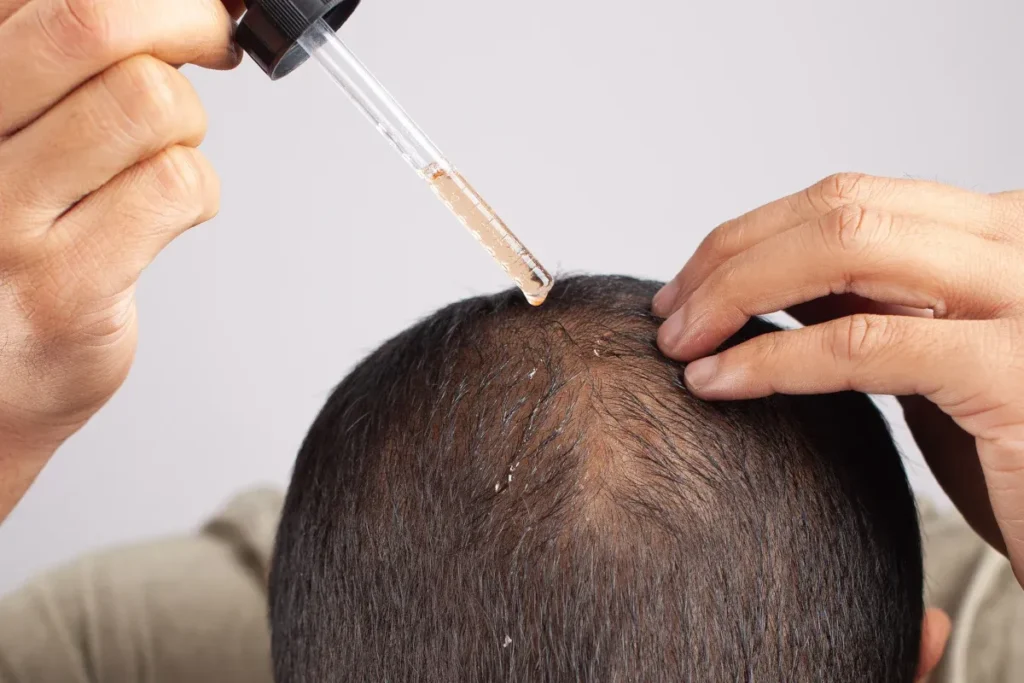
Alopecia areata is an autoimmune disease that affects millions worldwide. It causes patchy hair loss that can happen to anyone. Many people look for natural ways to help their hair grow back, alongside traditional treatments.
Studies show that essential oils, scalp massage, and the right nutrition can help a lot. At GoldCity Center, you can get top-notch dermatology help. They aim to help you unlock your inner glow and boost your confidence.
Seeing a lot of hair loss can be really tough. But, there are good ways to deal with it. Trying natural remedies can be a strong step towards growing your hair back.
Key Takeaways
Explore natural approaches to complement conventional alopecia treatment
Essential oils and scalp massage can enhance regrowth
Targeted nutrition plays a key role in supporting hair regrowth
Professional guidance is key for effective natural regrowth strategies
GoldCity Center offers world-class dermatological expertise
Understanding Alopecia Areata: Causes and Symptoms
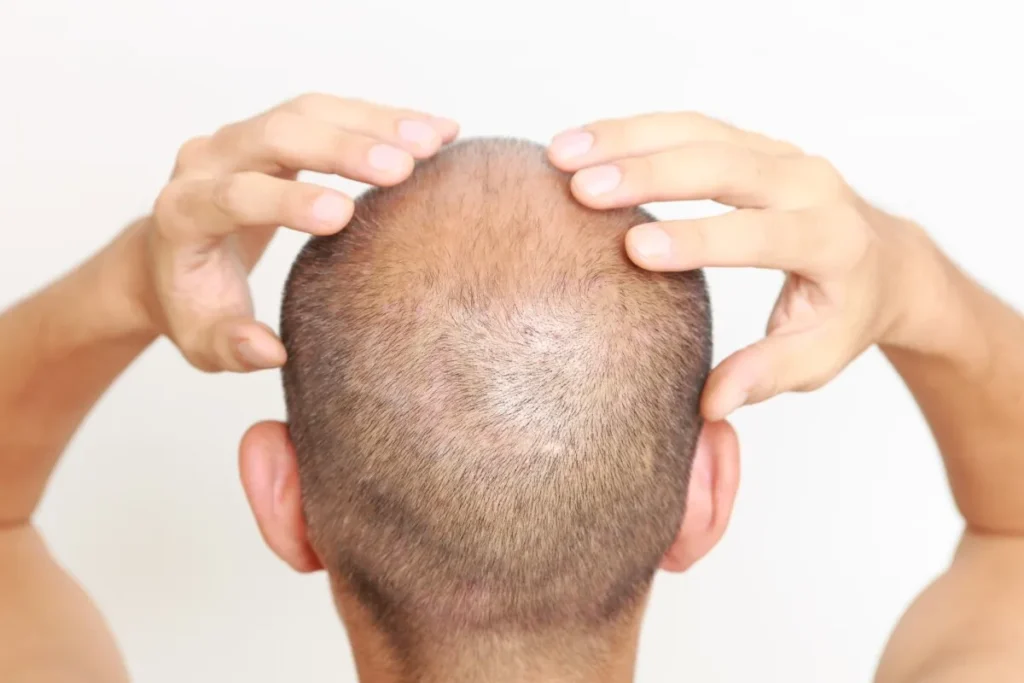
Alopecia areata is an autoimmune disease where the body attacks hair follicles. This leads to hair loss in small, round patches. It can happen anywhere but is most common on the scalp.
The Autoimmune Nature of Hair Loss
The exact cause of alopecia areata is not fully known. It’s believed to be caused by genetics and the environment. The body’s immune system attacks its own hair follicles, causing hair loss. This can be triggered by stress, infections, or other health issues.
Key factors contributing to alopecia areata include:
Genetic predisposition
Environmental triggers such as stress or infections
Imbalance in the immune system
Who Is Affected and Common Patterns
Alopecia areata can affect both men and women at any age. It often starts in childhood or young adulthood. The condition can show up in different ways, including:
Patchy hair loss on the scalp or body
Total loss of hair on the scalp (alopecia totalis)
Total loss of hair on the body (alopecia universalis)
This condition can really affect a person’s self-esteem and life quality. Knowing the causes and symptoms is key to managing it well.
By understanding alopecia areata and its patterns, people can start treating it. This can help them regain their confidence.
7 Proven Natural Hair Loss Alopecia Natural Treatments
Discover the power of natural treatments for alopecia areata, backed by recent clinical research. Natural remedies offer a promising complementary approach to conventional therapies. They focus on promoting hair growth and reducing hair loss.
Essential Oil Blend: Thyme, Rosemary, Lavender, and Cedarwood
One of the most effective natural treatments for alopecia areata involves using an essential oil blend. A mix of thyme, rosemary, lavender, and cedarwood essential oils has shown promise in promoting hair growth. “The synergy between these oils stimulates hair follicles, improving circulation and encouraging new growth.” To use this blend, mix a few drops of each oil with a carrier oil and gently massage it into your scalp.
Garlic Gel Treatment for Enhanced Efficacy
Garlic gel treatment is another herbal remedy for alopecia that has gained attention. Garlic contains compounds that may help stimulate hair growth. Applying garlic gel to the affected areas can enhance its efficacy.
Aromatherapy Massage for Improved Circulation
Aromatherapy massage is a holistic approach that combines the benefits of essential oils with the therapeutic effects of massage. This technique can improve circulation to the scalp, reducing stress and promoting hair growth. Regular aromatherapy massage sessions can be a valuable addition to your alopecia holistic treatment plan.
Peppermint Oil for Stimulating Hair Follicles
Peppermint oil is known for its invigorating properties, making it an excellent choice for stimulating hair follicles. When used in a scalp massage, peppermint oil can increase blood flow, promoting healthy hair growth. Incorporating peppermint oil into your hair care routine can be a simple yet effective home remedy for alopecia.
By exploring these natural treatments, individuals with alopecia areata can find new hope in their journey towards regaining a full head of hair. Whether through essential oil blends, garlic gel treatment, aromatherapy massage, or peppermint oil, there’s a natural solution waiting to be discovered.
Maximizing Results: Tips for Success
To heal alopecia naturally, you need a smart plan. It’s not just about picking the right treatments. You must use them regularly and safely.
Creating a Consistent Treatment Schedule
Being consistent is vital when treating alopecia with natural remedies. A regular treatment plan can make your remedies work better. Here are some tips to keep you on track:
Set reminders for your treatment applications
Keep your remedies in a visible and accessible place
Track your progress with before-and-after photos
Combining Remedies Safely and Effectively
Mixing different natural remedies can be good, but you must be careful. Here are some tips for treating alopecia naturally by combining remedies:
Start with a single remedy to gauge your skin’s response
Gradually introduce new remedies, monitoring for any adverse effects
Consult with a healthcare professional before combining multiple treatments
By following these tips, you can glow like you mean it. You’ll have a better chance of reversing alopecia naturally.
Conclusion
By focusing on a healthy diet, managing stress, and using natural remedies, you can help your hair grow back. Natural remedies can support hair regrowth and improve scalp health. Check out effective natural remedies for alopecia to use with medical treatments.
Learn about natural remedies for alopecia areata and hair loss. These can help you treat alopecia areata naturally. Find a home remedy that works for you.
Your journey to a full head of hair begins now. With natural remedies and medical advice, you can get the hair you’ve always wanted. Start your path to a radiant glow and unlock your hair’s full beauty.
FAQ
What is alopecia areata, and how does it affect hair growth?
Alopecia areata is an autoimmune condition that causes hair loss. It happens when the immune system attacks hair follicles. Natural treatments can help grow hair back and keep it healthy.
Are natural remedies effective in treating alopecia areata?
Yes, natural remedies like essential oils and garlic gel can help. They promote hair growth and improve scalp health. You can use them alone or with other treatments.
How do I use essential oils to treat alopecia areata?
Use essential oils like thyme and rosemary on your scalp. Mix a few drops with a carrier oil and massage it in.
Can I combine different natural remedies for alopecia areata?
Yes, mixing different remedies can be more effective. But, always follow a consistent treatment plan. Also, talk to a healthcare professional before mixing remedies.
How long does it take to see results from natural treatments for alopecia areata?
Results vary by person and treatment. Some see improvements in weeks, while others may take months.
Are there any lifestyle changes that can help manage alopecia areata?
Yes, eating well, reducing stress, and exercising can help. A healthy lifestyle can also make natural treatments work better.
Can natural remedies be used in conjunction with conventional treatments for alopecia areata?
Yes, you can use natural remedies with conventional treatments. But, always talk to a healthcare professional first to ensure safety.
How can I prevent further hair loss due to alopecia areata?
Keep your scalp healthy, reduce stress, and use gentle hair products. Aromatherapy and peppermint oil can also help grow hair.
Is it possible to reverse alopecia areata naturally?
While there’s no guaranteed cure, natural remedies and lifestyle changes can help. With consistent treatment and a healthy lifestyle, you can see big improvements.
What are some holistic approaches to treating alopecia areata?
Holistic treatments include natural remedies and a healthy lifestyle. Aromatherapy, acupuncture, and herbal supplements can also help grow hair and improve well-being.
References
JAMA Network. Evidence-Based Medical Insight. Retrieved from https://jamanetwork.com/journals/jamadermatology/fullarticle/189618





