

Learning that your medication is causing hair loss can be upsetting. But, the good news is that most cases can be fixed once you stop the medicine that’s causing it.
Many people around the world take medicines that might lead to hair loss. It’s important to know which drugs can cause this problem. Also, knowing how to deal with it is key for your looks and feeling good.
At Liv Hospital, we focus on you. We make sure you get the care you need. We help find the cause of medication-induced hair loss and show you how to lessen its effects.
Key Takeaways
Certain medicines can lead to hair loss, affecting your life quality.
Knowing why you’re losing hair from medicine is the first step to fixing it.
Stopping or switching the medicine causing hair loss can help fix it.
Liv Hospital offers a patient-focused way to handle hair loss from medicine.
Good management can help keep your looks and mood in check.
Understanding Medication-Induced Hair Loss
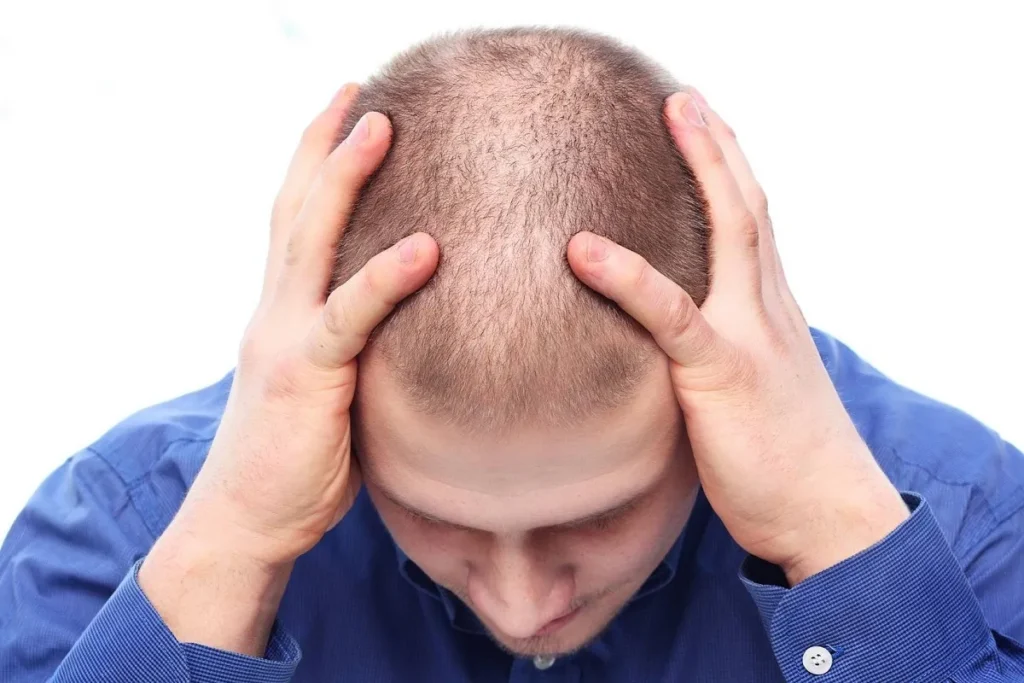
Many people experience hair loss as a side effect of certain drugs. This can be very upsetting. It not only changes how you look but also affects your self-esteem and overall happiness.
Types of Drug-Induced Alopecia
There are two main types of drug-induced hair loss: anagen effluvium and telogen effluvium. Anagen effluvium happens when hair falls out suddenly during the anagen phase. This is often due to strong medicines like chemotherapy. Telogen effluvium causes hair to fall out early, leading to a lot of shedding.
How Medications Disrupt Hair Growth Cycles
Medicines can mess with hair growth in several ways. They can change hormone levels, reduce nutrients, or harm hair follicles directly. For example, some drugs can upset the balance of hormones, causing hair loss. A study found that certain medicines, like immunomodulatory agents and monoclonal antibodies, are common causes of hair loss.
Recovery Timeline: Will Hair Grow Back?
The time it takes for hair to grow back after medication-induced hair loss varies. It depends on the cause and type of alopecia. Usually, hair starts growing back once the medicine is stopped or the body gets used to it. But, this can take months to years.
Helping hair grow back can include eating well and taking care of your hair gently.
Common Medications That Cause Hair Loss Due to Medication
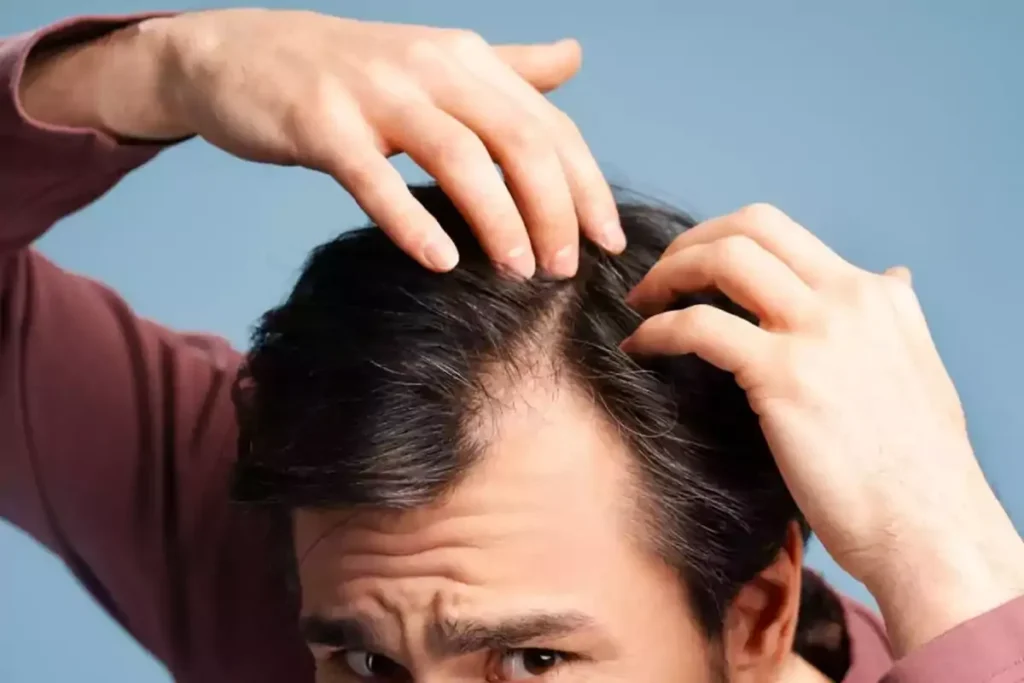
Medications and hair loss are linked in a complex way. Many drugs can cause hair loss. These include medicines for different health issues.
Immunomodulatory Agents and Biologics
Medicines for autoimmune diseases can lead to hair loss. For example, some biologics affect the immune system. This can cause hair loss.
Antibiotics and Anticonvulsants
Antibiotics and anticonvulsants can also cause hair loss. Valproate, used for epilepsy, is one example. It can lead to hair loss in some patients.
Psychiatric Medications
Medicines for mental health, like lithium for bipolar disorder, can cause hair loss. These drugs affect the hair growth cycle.
Anticoagulants and Blood Pressure Medications
Medicines like warfarin and heparin, and some blood pressure drugs, can cause hair loss. Their exact effect is not fully understood. But it’s thought to be related to how they affect blood and blood vessels.
Effective Strategies to Stop and Reverse Medication-Induced Hair Loss
To stop and reverse hair loss from medication, we need a few steps. Understanding why it happens and using the right methods can help. This way, we can lessen the damage from medication-induced hair loss.
Medical Interventions
Talking to a doctor about changing medications is a key step. Medical News Today says some meds can cause hair loss. Changing what you take might solve the problem. Medical interventions could mean adjusting the dose or finding a different medicine.
Nutritional Support
Eating well is important for your hair. Foods and supplements like biotin, vitamin B, and keratin help hair grow. Getting enough of these nutrients can fight against hair loss from medication.
Topical Treatments and Hair Care
Using minoxidil can help grow hair and stop loss. Also, gentle hair care, like mild shampoos and less heat styling, helps. Topical treatments are a big part of a good plan to stop hair loss.
Combining medical advice, good nutrition, and topical treatments can help with hair loss. This way, we can grow healthy hair again.
Conclusion
Understanding why hair loss happens because of medication is key. It helps us find ways to stop it. By spotting the signs early and acting fast, we can keep our hair healthy.
Some medicines can mess with our hair growth, causing loss. But, with the right treatments, we can fight back. It’s all about finding the right mix of medical help, nutrition, and creams.
By taking a complete approach, we can stop hair loss and feel better overall. This path to beauty is not just about stopping hair loss. It’s about making our whole beauty routine better and shining from the inside out.
FAQ
What is medication-induced hair loss?
Medication-induced hair loss happens when certain drugs cause hair to fall out. This can be due to the type of drug, how much you take, and how your body reacts.
Will my hair grow back after stopping the medication?
Often, hair loss from medication can be reversed. Stopping or changing the drug usually helps hair grow back. But, how long it takes can vary.
How can I stop hair loss from antibiotics?
To stop hair loss from antibiotics, talk to your doctor about other options. Eating well and using gentle hair products can also help.
Can hair loss due to medication be permanent?
While rare, some hair loss from medication might not grow back. It depends on the drug and your body. Always talk to a doctor for advice.
How to reverse hair loss from antidepressants?
To reverse hair loss from antidepressants, your doctor might adjust your dosage. Taking biotin and vitamin B supplements, and using minoxidil can also help.
Is hair loss from blood thinners reversible?
Yes, hair loss from blood thinners can often be reversed. Stopping or changing the drug can help. Always check with your doctor first.
Can tramadol cause hair loss?
Yes, tramadol can cause hair loss in some people. If you’re losing hair, talk to your doctor about other options.
How to stop hair loss from Topamax?
To stop hair loss from Topamax, talk to your doctor about changing your dosage or medication. Eating well and gentle hair care can also help.
Is hair loss from prednisone reversible?
Yes, hair loss from prednisone is usually reversible. Stopping the drug often leads to hair growth. But, it can take time.
How to stop hair loss from metoprolol?
To stop hair loss from metoprolol, talk to your doctor about other options. Eating well and gentle hair care can also help.
Can ibuprofen cause hair loss?
While rare, ibuprofen can cause hair loss in some. If you’re losing hair, talk to your doctor about other options.
How to reverse hair loss from hydroxychloroquine?
Reversing hair loss from hydroxychloroquine might involve changing your dosage. Taking biotin and using minoxidil can also help.
Can antidepressants cause hair loss?
Yes, some antidepressants can cause hair loss. If you’re losing hair, talk to your doctor about other options.
How to stop hair loss from Zoloft?
To stop hair loss from Zoloft, talk to your doctor about changing your dosage or medication. Eating well and gentle hair care can also help.
References
National Center for Biotechnology Information. Evidence-Based Medical Insight. Retrieved from https://pmc.ncbi.nlm.nih.gov/articles/PMC10301592/





