
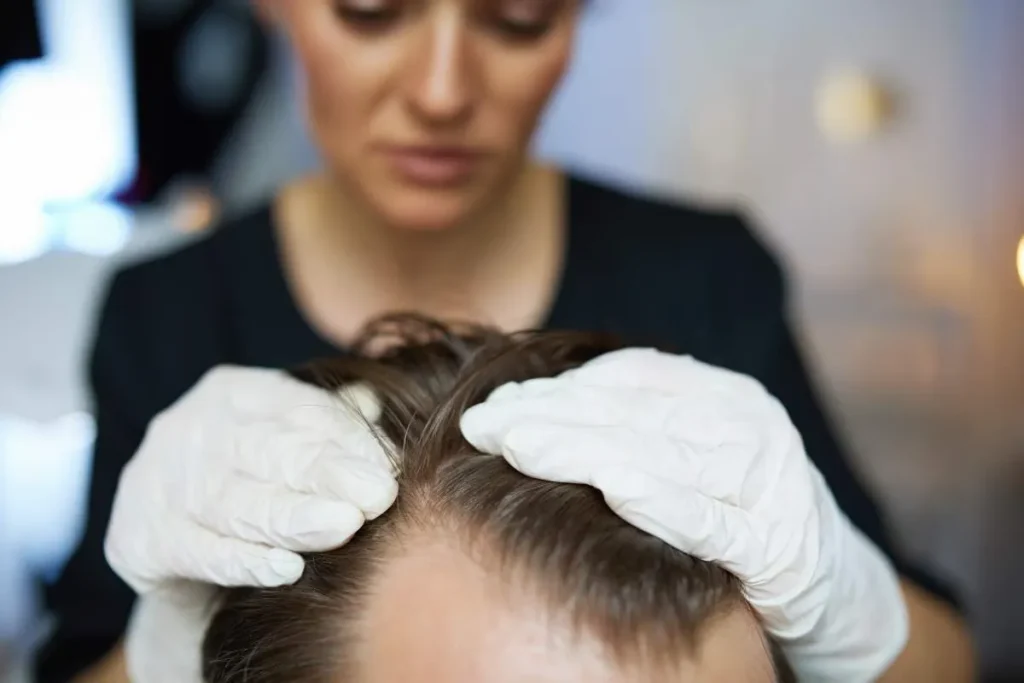
Understanding your scalp’s health starts with the right tools. The hair pull test is a simple, non-invasive way to check hair shedding. Dermatologists gently pull on about 50-60 strands to see if you’re losing too much hair.
This easy hair loss check helps spot issues like telogen effluvium and alopecia areata. It’s a key first step in dealing with hair loss.
Key Takeaways
A hair pull test involves gently tugging on a small section of hair to assess active hair shedding.
It’s a non-invasive and simple diagnostic tool used by dermatologists.
A positive result can indicate conditions like telogen effluvium or alopecia areata.
The test is not definitive and may require further evaluation.
Consulting a hair loss professional is recommended for a thorough assessment and treatment.
Understanding Hair Loss Tests and Their Importance
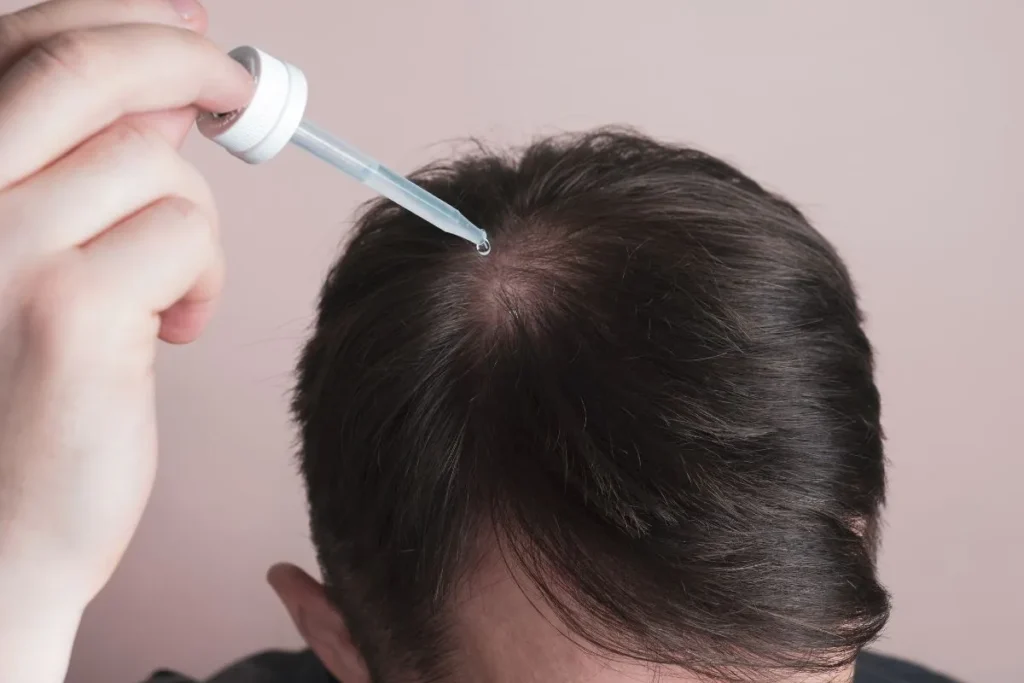
Understanding hair loss means more than just seeing the signs. It’s about diving into tests like the hair pull test. Hair loss can really affect how we feel about ourselves, our looks, and our overall happiness.
What is a Hair Pull Test?
A hair pull test is a simple way to check how much hair you lose. It’s done by gently pulling on a small part of your hair. This test helps figure out if you’re losing hair fast and what might be causing it.
This test is great because it shows right away how your hair is doing. Doctors can see how many hairs come out to understand hair loss better.
Common Signs of Hair Thinning and Loss
Hair thinning and loss can show up in different ways. You might notice a lot of hair falling out after washing or combing. Or, you might see your hairline receding or your crown getting thinner. Spotting these signs early can help you get help sooner.
Things like telogen effluvium, caused by stress or not eating right, can make a lot of hair fall out. The hair pull test is key in finding these issues early, so you can get help fast.
Conditions Detected Through Pull Testing
The hair pull test can spot many hair loss problems, like telogen effluvium, anagen effluvium, alopecia areata, and loose anagen syndrome. Each one has its own signs and reasons.
Knowing what a hair pull test shows is the first step to dealing with hair loss. It can lead to treatments, changes in how you live, or other ways to fix the problem. Finding out why you’re losing hair is the first step to solving it.
Step-by-Step Guide to Performing a Hair Pull Test
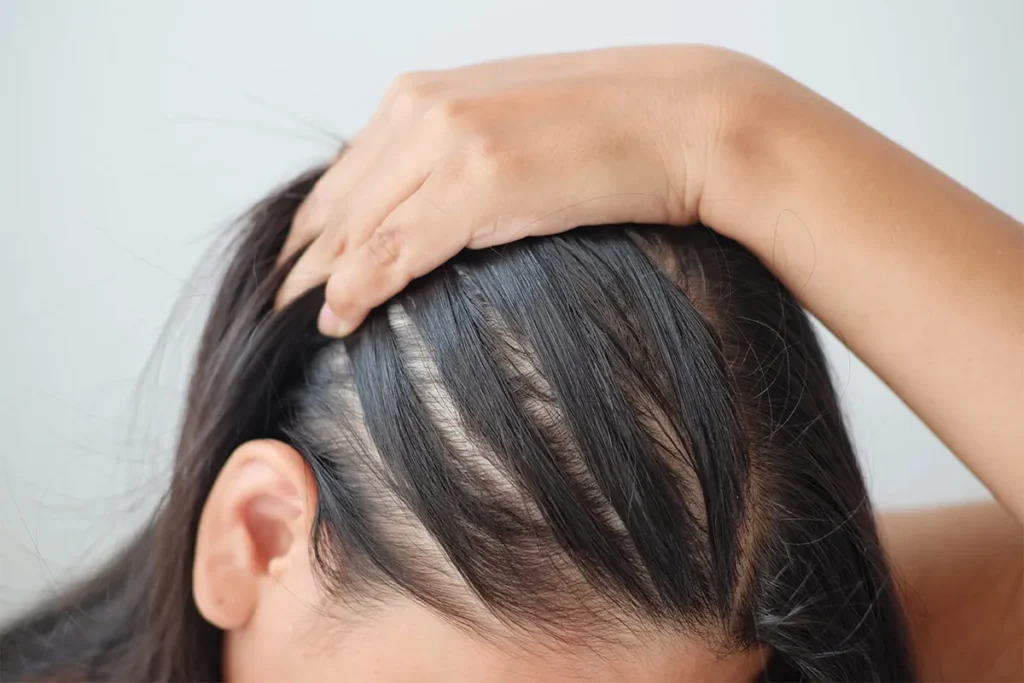
Doing a hair pull test is easy and can tell you a lot about your hair loss. You can do it at home and it’s a good first step to check your hair’s health.
Preparation for Accurate Results
Before you begin, make sure your hair is clean and dry. Wet hair can give wrong results. Also, skip styling products on the test day to get better results.
“The hair pull test is a tool that shows hair loss clearly when done right,” says a top dermatologist. “It’s simple but very useful for checking hair health.”
The Proper Testing Technique
To do the test, grab a small section of hair, about 50-60 strands, near your scalp. Gently tug the hair away from your scalp. The pull should be firm but not too hard.
Counting and Recording Your Results
Count how many hairs come out. Usually, 2-3 hairs are normal. More than 6 hairs might mean you’re losing too much hair. Try the test in different scalp spots to see the whole picture. Writing down your results helps you track changes.
Count the hairs that come out.
Repeat the test in different scalp areas.
Record your findings for future reference.
Common Mistakes to Avoid
When doing the hair pull test, avoid a few common mistakes. Don’t test on wet hair or use too much force. Also, keep the amount of hair and the pull’s firmness the same each time to get accurate results.
By following these steps and avoiding common errors, you can get reliable results. This will help you understand your hair health better.
Interpreting Results and Next Steps
After a hair pull test, it’s key to understand the results. This test shows how healthy your hair is. To make sense of these findings, you need to think about a few things.
Normal vs. Abnormal Hair Loss Findings
If over 10% of the hairs you pull out easily, it means you’re losing hair. But, it’s important to tell if it’s just temporary or a long-term problem. Temporary hair loss can happen because of stress or changes in hormones. But, if it keeps happening, it might mean you have a serious issue that needs a doctor’s help.
A positive test result doesn’t always mean you have a hair loss condition; it depends on other things too. A doctor can help figure out if you should worry and what tests you might need next.
When to Seek Professional Evaluation
If your test shows you’re losing hair in a bad way, see a dermatologist. They can look at your scalp and hair follicles to find out why you’re losing hair.
They might suggest more tests to really understand your hair health. These could include scalp exams, blood tests to check for nutritional or hormonal issues, and trichoscopy to look closely at your hair follicles.
Additional Diagnostic Tests for Hair Loss
Blood tests can show if hormonal or nutritional problems are causing your hair loss. Knowing what the hair pull test shows is just the start. More tests can give you a clearer picture of your hair health.
By looking at the results of a hair pull test and other tests, you can understand your hair loss better. This helps you find a good way to deal with it.
Conclusion
The hair pull test is a key tool for spotting active hair loss. It helps guide further checks. This simple test, when used with others, offers a full view of hair loss. It’s the first step towards managing and treating it.
A dermatologist is essential for understanding hair loss test results. They create a treatment plan just for you. Knowing about hair loss is the first step to feeling confident again and getting healthier hair.
Understanding the hair pull test and other tests like hair analysis helps. It reveals the secrets of hair loss. This knowledge starts a journey to beautiful, healthy hair.
FAQ
What is a hair pull test, and how is it used to assess hair loss?
A hair pull test is a simple way to check hair loss. Dermatologists use it by gently pulling on a small section of hair. This helps see if there’s too much hair loss.
How do I perform a hair pull test at home?
To do a hair pull test at home, pick a small section of hair. Hold it near the scalp with your thumb and fingers. Then, gently pull the hair away from your scalp. Count how many hairs come out and check their roots. Do this in different scalp areas.
What constitutes a positive result in a hair pull test?
A positive result means more than 6 hairs come out when you pull 50-60 strands. This shows active hair shedding. But, it’s important to see a dermatologist to find out why and get more tests if needed.
What are common signs of hair thinning and loss?
Signs of hair thinning and loss include a lot of shedding, mostly after washing or combing. Stress or not getting enough nutrients can also cause a lot of hair loss.
What additional diagnostic tests may be recommended after a hair pull test?
After a hair pull test, you might need more tests. These include scalp exams, blood tests for nutrients or hormones, and trichoscopy to look at hair follicles. These help find the real cause of hair loss.
How can I determine if my hair loss is a cause for concern?
Seeing a dermatologist is key to knowing if hair loss is serious. They can tell you how bad the shedding is and suggest more tests or treatments.
What are some common mistakes to avoid when performing a hair pull test?
Don’t test on wet hair, pull too hard, or be uneven in how much hair you test. These mistakes can give wrong results.
Can a hair pull test detect conditions like telogen effluvium and alopecia areata?
Yes, a hair pull test can spot conditions like telogen effluvium and alopecia areata. It shows how bad the shedding is, helping to start treatment early.
What is the role of a dermatologist in evaluating hair loss?
A dermatologist is very important in checking hair loss. They understand the hair pull test results, suggest more tests, and plan the best treatment.
How can understanding the results of a hair pull test empower individuals with knowledge about their hair loss?
Knowing what a hair pull test shows can help people start managing their hair loss. It helps them feel better and get healthier, stronger hair.
References
National Center for Biotechnology Information. Evidence-Based Medical Insight. Retrieved from https://pubmed.ncbi.nlm.nih.gov/10775858/





