
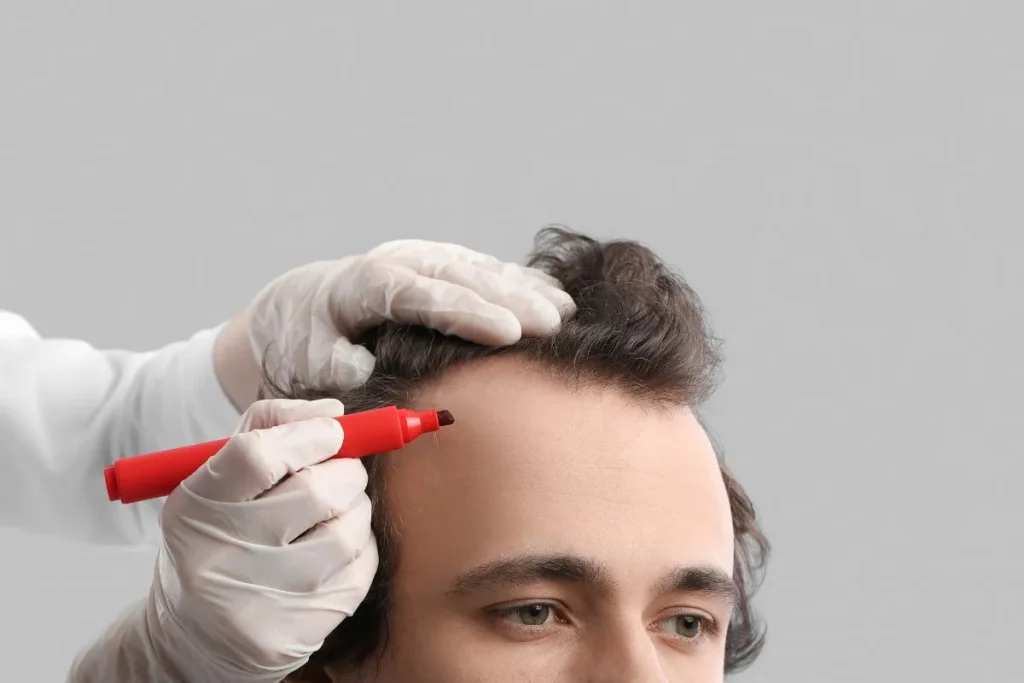
Reaching the one-month mark after a hair transplant is a big deal. Medical Expert. The scalp starts to heal, and the initial pain goes away. But, you might feel some mild sensitivity or dryness.
At this point, you might see some hair fall out. This is called shock loss. It’s when the new hair follicles shed before they start growing fine hair. Taking good care of your scalp is vital to help new hair grow and avoid problems. By following the care tips and living a healthy lifestyle, you can improve your recovery and get the best results.
Key Takeaways
Gentle scalp care is key, including gentle shampooing and moisturizing.
Avoid direct sun exposure and don’t put too much pressure on your scalp.
Eating a healthy diet full of vitamins and minerals helps your hair grow.
Drink plenty of water and manage stress to stay well.
Always follow your surgeon’s advice on how to care for your scalp after surgery.
What to Expect from Your Hair Transplant After 1 Month
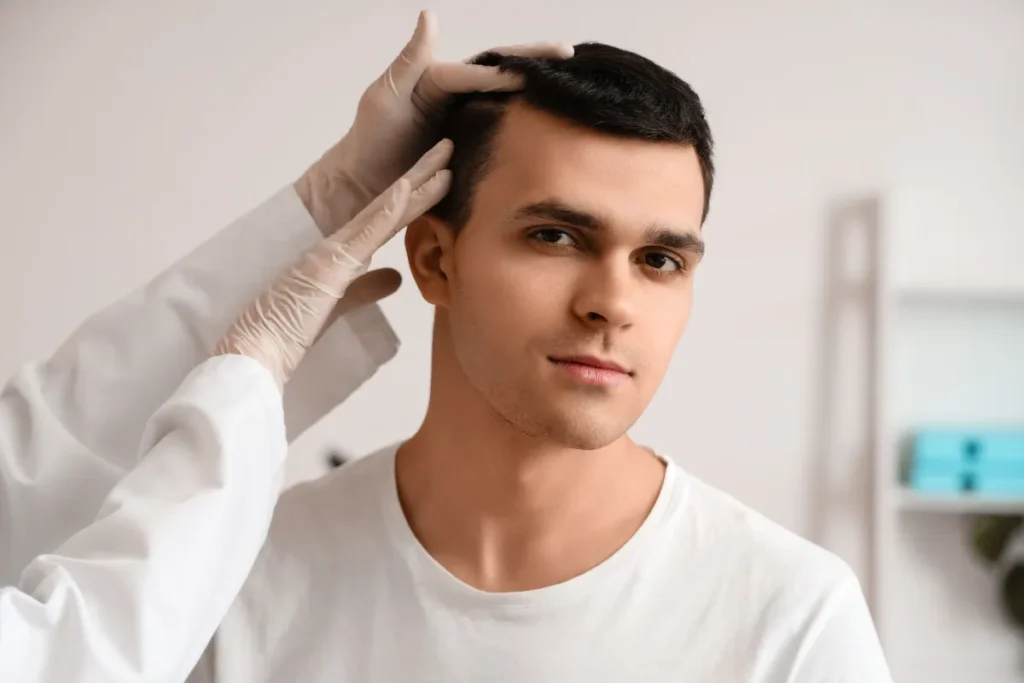
Reaching the one-month mark after your hair transplant is exciting. You’re on your way to a fuller head of hair. Your scalp is getting used to the new hair, and you’ll notice some changes.
Understanding Shock Loss and Shedding
Many patients see shock loss where a lot of hair falls out. Medical Expert, with 70-80% of transplanted hair shedding. This is just the hair making room for new growth.
Donor Area Recovery Timeline
The area where hair was taken usually heals in a few weeks. By one month, it’s mostly healed. Most people see little to no scarring.
Reduced Scabbing and Residual Redness
By the one-month mark, scabbing and redness should be much less. Keeping your scalp moisturized helps. Following your doctor’s care instructions is key for a smooth recovery.
By following these tips, you can get through this important part of your hair restoration journey.
Essential Hair Care Routine for Transplanted Hair
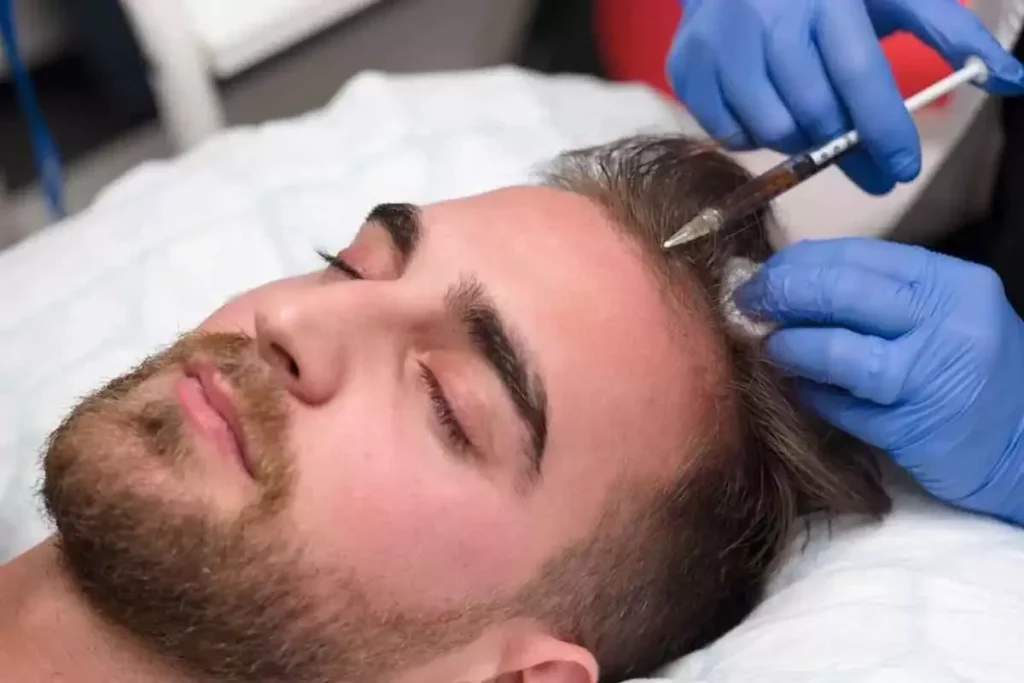
After a month of your hair transplant, a special hair care routine is key. It boosts the growth and health of your new hair. Your scalp is healing, and your transplanted hair is settling in.
Specialized Shampoo and Washing Techniques
Charles Medical Group says gentle care is essential. Use a gentle, sulfate-free shampoo and apply it by patting and dabbing. This avoids irritation and keeps your scalp healthy.
Safe Detangling with Wide-Tooth Combs
Now, you can gently wash your hair and use a wide-tooth comb for detangling. This comb is soft on your hair and scalp, lowering damage risks.
Scalp Hydration and Protection Methods
Scalp hydration is vital for your transplanted hair’s health. Hydrating products and sun protection are key to your hair transplant’s success.
Activity Restrictions and Precautions
To get the best results from your hair transplant, following post-procedure activity guidelines is key. This helps the grafts heal well and gives the transplanted hair follicles a good chance to grow.
Physical Exercise and Sports Limitations
Staying away from intense physical activity and contact sports is important. This is to avoid too much sweating and damage to the grafts. Low-impact activities like walking are generally safe, but always check with your surgeon before starting any exercise.
Sun Exposure Guidelines
It’s best to limit direct sun exposure to protect your sensitive scalp. When you do go outside, wear a hat or use a broad-spectrum sunscreen with at least SPF 30 to keep your scalp safe and promote healing.
When to Contact Your Surgeon
Medical Expert’s important to talk to your surgeon if you have severe pain, a lot of swelling, or any unusual scalp issues. Keeping an eye on your recovery and addressing any concerns quickly is essential for a successful hair transplant.
Conclusion
As you’ve made it through the first month after your hair transplant, you’ve done a lot to reach your hair goals. You’ve learned about the recovery and followed a careful aftercare routine. At 30 days, you might see some shedding and redness, which is normal.
By 6 weeks, you’ll start to see new hair growth. But it might look a bit uneven at first. Medical Expert, as hair growth takes time.
Keep up with your aftercare, go to your checkups, and be gentle with your scalp. For more help, check out hair restoration resources. Soon, your hair will look great, showing off the results of your transplant.
FAQ
What is shock loss after a hair transplant?
Shock loss is when transplanted hair falls out in the first month after a transplant. It’s a normal part of healing.
How long does it take for the donor area to recover after a hair transplant?
The donor area heals in 1-2 weeks. But it may take up to a month to look normal again.
What kind of shampoo should I use after a hair transplant?
Use a mild, sulfate-free shampoo. It’s gentle and helps your hair grow.
Can I exercise after a hair transplant?
Avoid hard exercise for 2-3 weeks. It helps prevent complications.
How can I protect my scalp from the sun after a hair transplant?
Wear a hat or use sunscreen with SPF 30. This protects your scalp from the sun.
What are the signs that I should contact my surgeon after a hair transplant?
Call your surgeon if you see a lot of bleeding, infection, or unusual scabs. Or if you’re worried about healing.
How long does it take to see the final results of a hair transplant?
It takes months to a year or more to see the full results. This is because the hair grows and matures.
Can I dye my hair after a hair transplant?
Wait 6-12 months before dyeing your hair. This reduces the risk of damage or problems.
References
National Center for Biotechnology Information. Evidence-Based Medical Insight. Retrieved from https://pmc.ncbi.nlm.nih.gov/articles/PMC11401157/





