
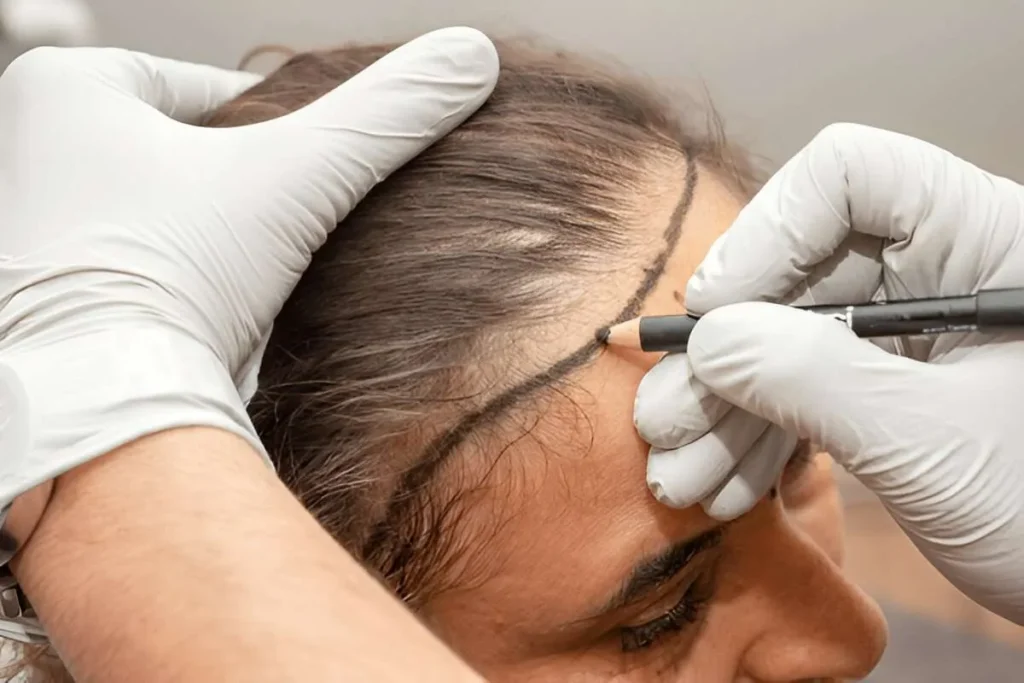
Hair loss can be very upsetting for many women. It can affect how they feel about themselves. Luckily, new hairline correction methods can help. These methods use specialized surgical techniques to make hairlines look natural again.
At Liv Hospital, our team is top-notch. They offer frontal hairline restoration with a 97% success rate. If you want to lower your hairline, restore frontal hair, or get forehead hair transplant surgery, we’ve got you covered. Our plans are made just for you, aiming for timeless beauty and radiant confidence.
Key Takeaways
Specialized hairline correction techniques for women
Minimally invasive procedures with high success rates
Personalized solutions for natural-looking results
Restoration of hair density and aesthetic appearance
Expert care from a team of international medical professionals
Understanding Female Hairline Transplants

Female hairline transplants need a special touch. They consider the person’s face shape, hair thickness, and style likes. Unlike men, women’s hair loss spreads out more, making it harder to spot early.
What Makes Female Hairline Procedures Unique
Female hairline work is different because of how women lose hair. Women often see thinning where they part their hair and in the temples. A personalized approach is key to tackle these unique issues.
Temple hairline transplants are tricky. They need careful planning and the newest methods. Between 2021 and 2024, more women chose hair transplant surgery, showing they want lasting fixes.
Common Reasons Women Seek Hairline Correction
Women get hairline fixes for many reasons. Hormonal shifts, genetics, and health issues can cause hair loss. Hair transplantation is a good fix. It gives a natural look and boosts confidence.
Hormonal changes due to pregnancy, menopause, or thyroid disorders
Genetic predisposition to hair loss
Medical conditions such as alopecia areata
Types of Female Hairline Procedures
There are a few ways to fix a female hairline. Follicular Unit Transplantation (FUT) and Follicular Unit Extraction (FUE) are two main methods. Each has its own good points and downsides.
Knowing about female hairline procedures and the different methods helps women choose the right path for their hair journey.
The Hair Transplant Female Hairline Process
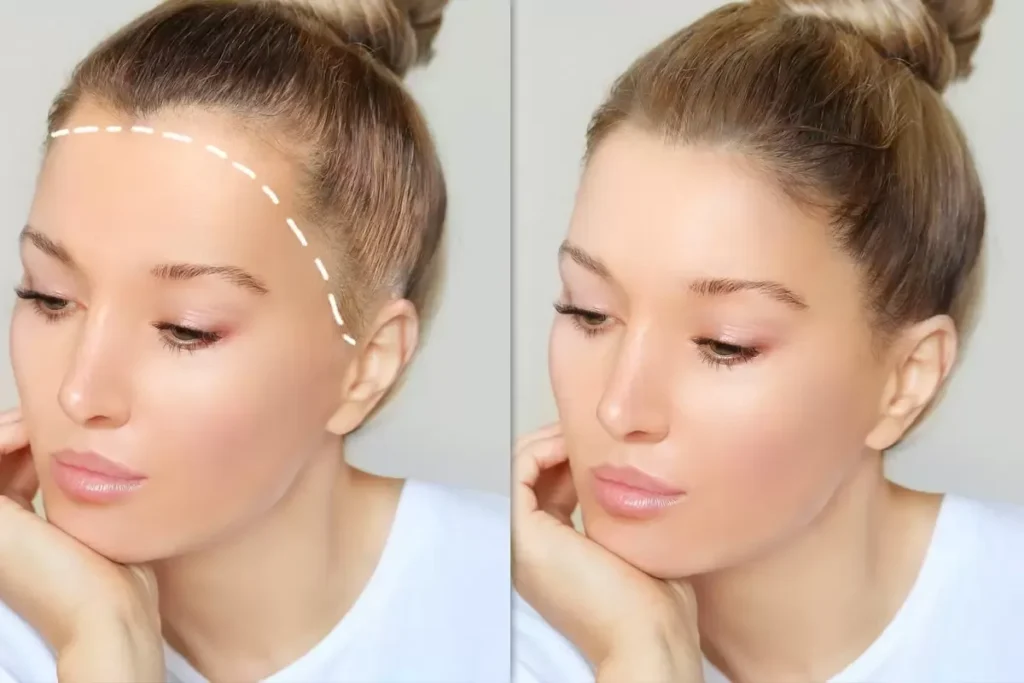
Starting a hair transplant journey can change a woman’s life. It has a 97% success rate and 88.2% of women are very happy with their results. This makes it a popular choice for those wanting a natural hairline.
Finding the Right Specialist
Finding a good specialist is the first step. You need someone experienced in female hairline transplants. They should know how to make your hairline look natural. Look for a board-certified surgeon with many successful cases.
Check for board certification in dermatology or plastic surgery.
Review before-and-after photos of previous patients.
Read testimonials and reviews from other female patients.
Consultation and Planning Your New Hairline
In the consultation, your specialist will look at your hair loss and talk about what you want. This is where you can unlock your inner glow by imagining your new hairline. You’ll plan the transplant together, including the design of your new hairline and how many grafts you’ll need.
This is also a time to discuss:
The expected outcome of the transplant.
The procedure’s details, including possible risks and complications.
Post-operative care and recovery timeline.
Procedure Day: Step-by-Step Experience
On the day of the surgery, you’ll have a forehead hair transplant. This means taking grafts from a donor area and putting them in your hairline. The surgery is done under local anesthesia to keep you comfortable.
The steps include:
Preparation of the donor and recipient areas.
Extraction of grafts using a precise technique.
Transplantation of grafts into the recipient sites.
Recovery Timeline and Aftercare
After the surgery, following the right recovery timeline and aftercare is key for the best results. You might see some swelling and redness, but it should go away in a few days. Your specialist will give you detailed instructions on how to care for your scalp during this time.
Important aftercare tips include:
Gently washing your scalp as directed.
Avoiding strenuous activities.
Following medication instructions.
By following these steps and choosing a skilled specialist, you can get a natural-looking hairline. This will enhance your beauty and boost your confidence.
Conclusion: Making Your Decision About Hairline Transplantation
A hair transplant for hairline lowering can change your life. It offers a lasting solution that boosts your self-confidence and quality of life. Before deciding on a hairline lowering transplant, think about the benefits and risks. Also, have realistic expectations about the results.
A forehead transplant is a precise procedure that needs a skilled expert. Knowing what to expect can help you decide if it’s right for you.
Choosing a hairline transplantation is a personal choice. It can start a journey that enhances your natural beauty and boosts your confidence. Talking to a qualified specialist is the first step towards getting the look you want. It’s a step towards a more radiant and confident you.
FAQ
What is a female hairline transplant?
A female hairline transplant moves hair from the back and sides to the front. It makes the hairline look natural and frames the face.
Why do women consider hairline transplantation?
Women get hairline transplants for hair loss due to genetics or hormones. It boosts their confidence and looks.
How is a female hairline transplant different from a male hair transplant?
Female hairline transplants are more delicate. They’re tailored for women’s hair loss patterns. This ensures a natural look.
What is the ideal candidate for a female hairline transplant?
The best candidate has hair loss or thinning at the hairline. They should have enough donor hair and realistic hopes for the outcome.
How long does it take to recover from a hairline transplant?
Recovery time varies. Most women can go back to normal in a few days to a week. Full recovery takes weeks to months.
Will a hairline transplant look natural?
A skilled specialist can make it look natural. The transplanted hair blends well with the rest.
Can I combine a hairline transplant with other hair restoration procedures?
Yes, you can combine it with other treatments. This can lead to a fuller hair restoration.
How do I choose the right specialist for my hairline transplant?
Look for a specialist with good qualifications and experience. Check their work and discuss your goals in a consultation.
What is the cost of a female hairline transplant?
Costs depend on the procedure’s extent, the specialist’s fees, and location. Get a personalized quote from a specialist.
Are there any non-surgical alternatives to hairline transplantation?
Non-surgical treatments can slow hair loss. But, a transplant is often the best for a natural hairline.
References
National Center for Biotechnology Information. Evidence-Based Medical Insight. Retrieved from https://pmc.ncbi.nlm.nih.gov/articles/PMC6388556/





