
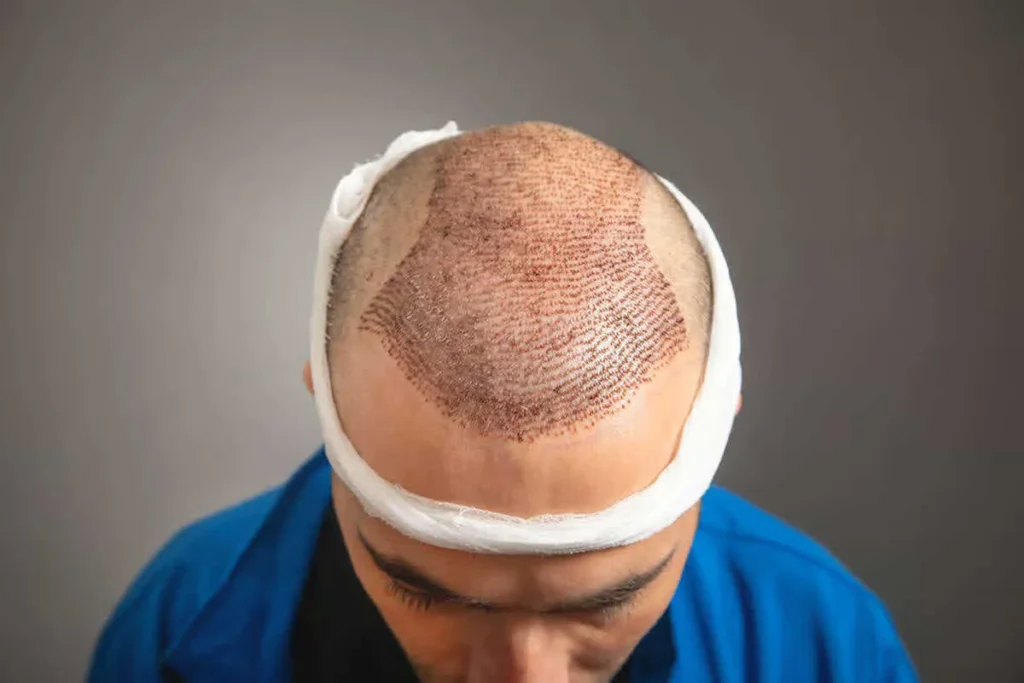
Choosing the right hair transplant technique is more important than ever. New technologies have changed hair restoration. Now, options like follicular unit extraction (FUE) offer natural results with little scarring and quick recovery.
Hair restoration has come a long way. It gives people a chance to feel confident again and look radiant. Knowing the hair transplant options helps make the right choice. For more details, check out Anna Arbor Plastic Surgery.
Key Takeaways
Understanding the different hair transplant techniques available is key to making good choices.
FUE is a top choice because it looks natural and leaves little to no scar.
Other methods, like FUT, might be better for some people.
Talking to a skilled surgeon is vital to find the best option for you.
The right technique depends on your hair loss and what you prefer.
Understanding Modern Hair Transplant Techniques
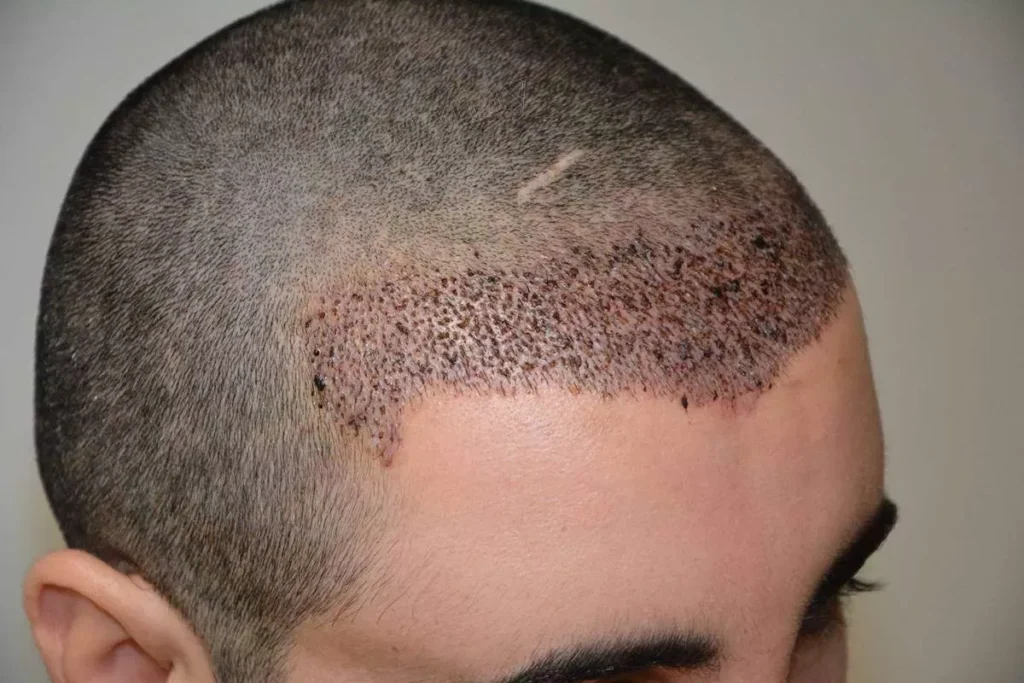
Today, hair transplant methods are more advanced, giving natural-looking results. The field of hair restoration has made big strides. This has changed how we tackle hair loss.
Evolution of Hair Restoration Technology
Hair restoration technology has come a long way. It has moved from simple methods to complex, high-tech procedures. Now, we use robotics, artificial intelligence, and regenerative treatments. This makes the process faster and more precise.
Key Developments:
Enhanced graft survival rates
Improved precision in follicle extraction and implantation
Minimally invasive procedures for reduced recovery time
FUT (Follicular Unit Transplantation) Method
The FUT method takes a strip of hair-bearing skin from the back of the head. This strip is then cut into individual follicular units. These units are then transplanted into the recipient sites.
Advantages:
Can be more cost-effective for large balding areas
Allows for a significant number of grafts to be transplanted in one session
FUE (Follicular Unit Extraction) Method
FUE uses a special tool to extract individual follicles from the donor area. This method doesn’t need a linear incision. So, it results in less scarring.
Benefits:
Minimally invasive with less post-operative pain
Reduced recovery time and scarring
Advanced Hair Transplant Technologies and Innovations
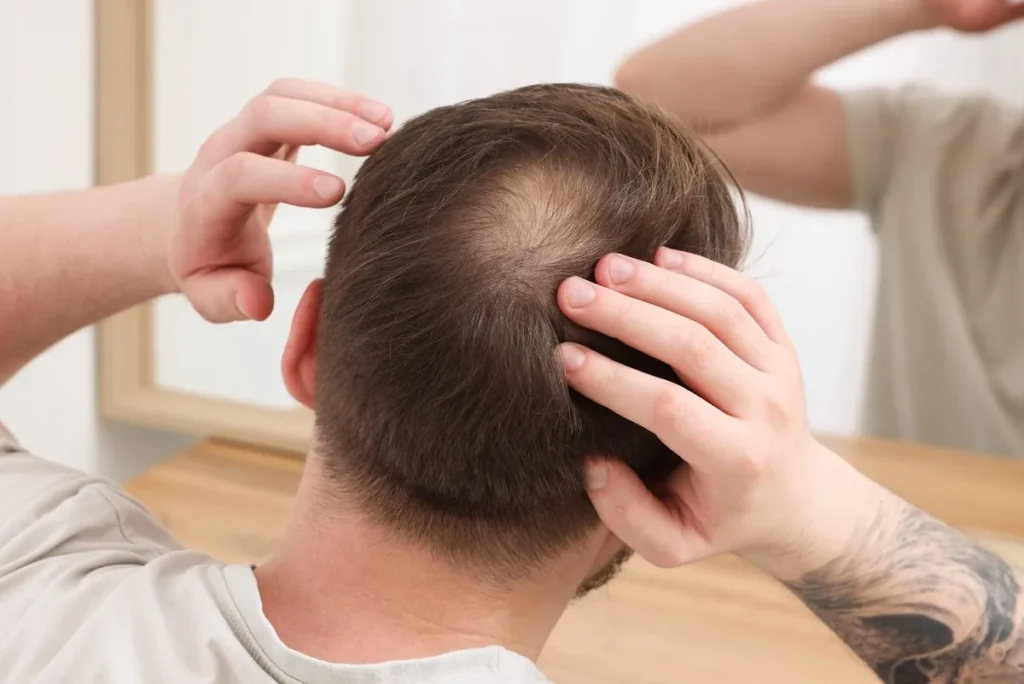
New hair transplant technologies are changing how we restore hair. These advancements have made hair transplant results look more natural and recovery times shorter.
Robotic-Assisted Systems (ARTAS)
Robotic systems like ARTAS bring precision to hair follicle harvesting. They use optical guidance to find and take out healthy follicles. This reduces mistakes and makes the process more efficient.
Direct Hair Implantation (DHI) with Choi Implanter Pens
DHI is a new take on FUE, using Choi Implanter Pens to put grafts directly into the scalp. It makes the recipient site and implants the graft in one step. This method is great for a natural hairline and density.
Creates the slit and places the graft in one motion
Enhances precision and control during implantation
Reduces the time grafts are exposed outside the body
AI and Regenerative Treatment Enhancements
AI and regenerative treatments are making hair transplantation better. AI helps predict the best treatment outcomes. Regenerative treatments boost natural hair growth and follicle health. These advancements lead to more tailored and effective hair restoration.
Recovery Time and Natural-Looking Results
These new technologies also mean faster recovery times. DHI and robotic-assisted methods improve precision and reduce trauma. This results in quicker healing and more natural results. Patients can get back to their daily lives quicker with these modern methods.
Faster recovery times due to minimally invasive techniques
More natural-looking results from precise graft placement
Enhanced patient satisfaction through personalized treatment plans
Selecting the Right Hair Transplant Method for Your Needs
Choosing the right hair transplant method is a personal choice. It depends on how bald you are, your skin, and what you prefer. Both FUE and FUT can give you natural, lasting results. But, the right choice for you depends on your hair loss, lifestyle, and what you want to look like.
When looking at hair transplant options, think about the quality of your donor area and how much hair you’ve lost. The best surgery is one that fits your specific needs. It should match your hair loss pattern and what you want to look like. Knowing about different methods helps you make a smart choice for your hair journey.
Choosing the right method means understanding your options and getting a personalized approach. By picking the best procedure for you, you can get a full head of hair again. And, you’ll feel more confident.
FAQ
What is the difference between FUT and FUE hair transplant techniques?
FUT removes a strip of skin from the donor area. FUE takes out individual follicles. Each method works best for different hair loss types.
What are the benefits of robotic-assisted hair transplant systems like ARTAS?
ARTAS and similar systems make hair follicle harvesting more precise. This leads to better-looking results and quicker recovery times.
How does Direct Hair Implantation (DHI) with Choi Implanter Pens work?
DHI makes hair follicle placement more efficient and precise. This results in a more natural look.
What role does AI play in hair transplantation?
AI helps analyze the donor area and plan graft placement. It also predicts the transplant’s outcome. This leads to more personalized and effective results.
What factors should I consider when choosing a hair transplant method?
Consider your hair loss extent, donor area quality, and aesthetic goals. These factors are key when picking a technique.
What is the best hair transplant technique for me?
The best technique depends on your needs and preferences. A qualified professional can help find the right method for you.
How do I ensure natural-looking results from my hair transplant?
Choose an experienced surgeon and advanced technologies like ARTAS and DHI. These can help achieve natural results.
What are the different types of hair transplant methods available?
Main methods include FUT, FUE, and DHI. Each has its own benefits and advantages.
How long does it take to recover from a hair transplant procedure?
Recovery times vary by technique and individual factors. Technologies like ARTAS and DHI can shorten recovery times.
Can I achieve a full head of hair with a hair transplant?
Yes, with the right technique and surgeon, a full head of hair is possible. Success depends on hair loss extent and donor area quality.
References
National Center for Biotechnology Information. Hair Transplantation. Retrieved from https://www.ncbi.nlm.nih.gov/books/NBK547740/





