

Starting your first 24 hours sober can be tough. You might feel withdrawal symptoms and start the detox process. As your body gets rid of alcohol, you could face physical and mental challenges.
The first 24 hours are key. Symptoms can start as soon as 12 hours after drinking. Knowing what to expect can help you tackle these challenges.
By understanding how your body reacts without alcohol, you can prepare for recovery. This knowledge is vital for managing the detox process.
Key Takeaways
Withdrawal symptoms can start within 12 to 24 hours after the last drink.
The body begins to detoxify alcohol at a rate related to the number of standard drinks consumed.
Understanding the detoxification process is critical for managing withdrawal symptoms.
Professional medical support is essential during the initial 24-hour period.
Navigating the first 24 hours sober requires a complete approach to recovery.
Understanding What Happens in 24 Hours Without Alcohol
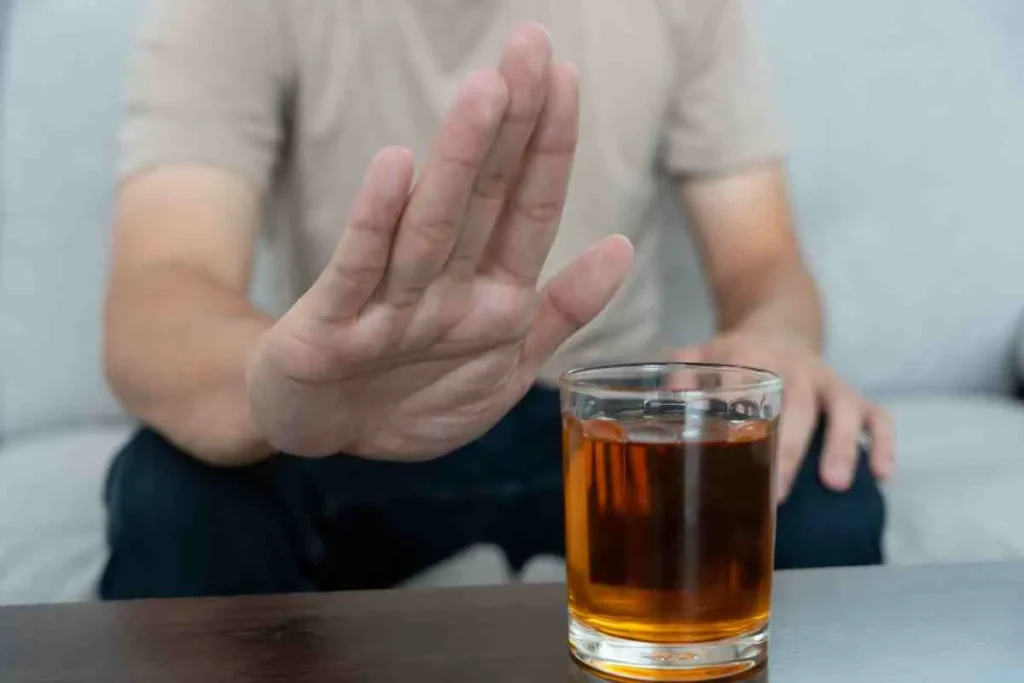
When you stop drinking, your body starts a complex detox and recovery process. This first 24 hours is key. It sets the stage for your journey to sobriety.
The Body’s Detoxification Process
The liver is key in breaking down alcohol, doing it at a rate of one drink per hour. As alcohol leaves your body, detox starts. This process is tough but is a big step towards getting better.
Key aspects of the detoxification process include:
The liver’s role in metabolizing alcohol
The elimination of alcohol from the body
The initiation of the body’s natural recovery processes
Timeline of Withdrawal Symptoms
Withdrawal symptoms can start as early as 12 to 24 hours after your last drink. They can get worse over time. Knowing this timeline helps manage your expectations and deal with withdrawal’s challenges.
The timeline typically unfolds as follows:
12-24 hours: Symptoms start, ranging from mild to severe.
24-48 hours: Symptoms can peak, with some feeling more anxious, irritable, and restless.
Beyond 48 hours: Symptoms start to fade for many, but some may keep facing challenges.
Mental and Emotional Changes
The first 24 hours without alcohol bring big mental and emotional changes. People may feel anxious, irritable, and restless as their body adjusts to no alcohol.
Strategies to cope with these changes include:
Engaging in relaxation techniques such as meditation or deep breathing
Seeking support from friends, family, or support groups
Participating in activities that promote mental well-being, such as exercise or hobbies
Understanding the first 24 hours without alcohol helps prepare for the journey ahead. It allows you to use strategies to manage symptoms and support your mental and emotional health.
Practical Strategies to Survive Your First Day Sober
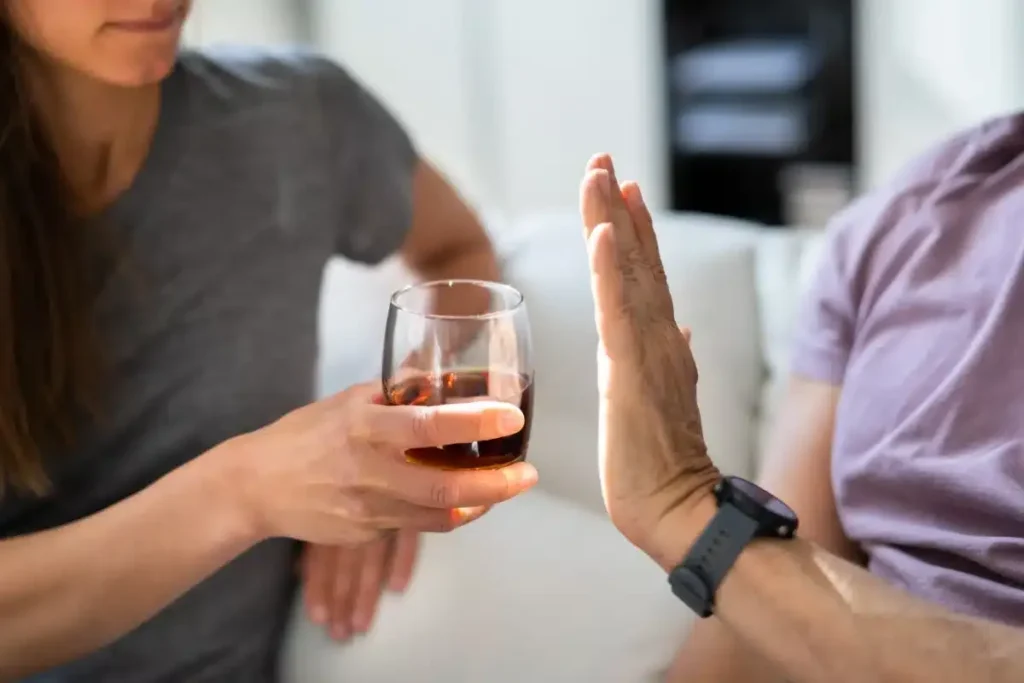
Starting your journey to sobriety needs strength and smart plans for the first day. The first 24 hours are key. A good plan can make the transition smoother. Surviving 24 hours without alcohol is a bold first step. Use our essential guide to manage early withdrawal and start your healing journey.
Morning: Setting Yourself Up for Success
Starting the day right is important. Drink lots of water to get rid of toxins. Do some gentle exercises like yoga or a short walk to feel better and more energetic.
Eat a healthy breakfast to keep your blood sugar stable and give you energy for the day. Try mindfulness practices like meditation or deep breathing to stay calm and focused. For tips on the first days of sobriety, check out Gateway Foundation’s survival guide.
Afternoon: Managing Peak Cravings
Cravings can get stronger as the day goes on. It’s important to have ways to deal with them. Drinking water and eating well can help with withdrawal symptoms. Doing things that take your mind off cravings, like reading or puzzles, can also help.
It’s key to find healthy ways to handle stress and feelings. This could be through journaling, listening to music, or relaxation techniques. Staying busy and focused helps you get through the afternoon.
Evening: Navigating Social Pressures
The evening can be tough, with social pressures if you’re used to drinking. Having a plan for these situations is important. This might mean avoiding places where you might drink, or having a supportive friend with you.
Having a calm evening routine can also help. This could be taking a warm bath, listening to soothing music, or doing gentle stretches. A peaceful evening can help you avoid cravings.
Creating a Support System
Having a strong support system is key for sobriety. Be around people who get and support your journey. This could be friends, family, or support groups. Talking to someone who understands can really help.
Think about joining a support group to share your story and learn from others. The feeling of community and understanding can be very powerful.
Conclusion: Moving Beyond the First 24 Hours
Reaching 24 hours without alcohol is a big win, starting a journey towards lasting sobriety. As the body detoxes and adjusts, health benefits grow. These include better physical and mental health over the next 48, 72 hours, and more.
As people move forward in their recovery, they see more growth and improvement. For example, 48 hours without alcohol brings clearer thinking. And 72 hours sober leads to better emotional control. Staying on the recovery path is key. With dedication and support, overcoming withdrawal is possible, leading to a life full of joy and well-being.
Understanding withdrawal and using strategies to fight cravings are important. Also, having a strong support system helps. This way, individuals can make it past the first 24 hours and thrive in the long run. They unlock a life of beauty and transformation.
FAQ
What happens to the body in the first 24 hours without alcohol
The body begins metabolizing alcohol immediately. The liver processes roughly one standard drink per hour, and withdrawal symptoms can appear within 6–12 hours after the last drink.
Common withdrawal symptoms during the first 24 hours
Anxiety, irritability, sweating, shakiness, nausea, headache, trouble sleeping, rapid heartbeat, and mild cravings.
How to manage cravings during the first 24 hours
Drink water, eat healthy snacks, stay busy, practice deep breathing, exercise lightly, and reach out for support.
Practical strategies for surviving the first day sober
Stay hydrated, avoid triggers, connect with supportive people, keep a routine, distract yourself with hobbies, and rest.
How long does it take for the body to detox from alcohol
Mild detox typically takes 3–7 days, but full physiological recovery can take weeks to months depending on drinking history.
Benefits of sobriety beyond the first 24 hours
Improved sleep, mental clarity, stable mood, better digestion, more energy, healthier relationships, and reduced risk of liver damage.
Staying committed to recovery after the first 24 hours
Set goals, track progress, attend support groups, maintain routines, avoid triggers, and seek professional help if needed.
What happens 48 hours after the last drink
Sleep patterns improve slightly, withdrawal tremors may lessen, but mood swings, anxiety, and some cravings may continue.
Navigating social pressures in the evening during the first day sober
Have a plan, bring non-alcoholic drinks, practice saying “no,” avoid high-risk situations, and reach out to supportive friends.
Benefits of a 24-hour detox
Reduces toxins in the body, improves hydration and digestion, gives the liver a rest, and starts breaking the physical dependence cycle.
Managing anxiety and irritability during the first 24 hours
Practice mindfulness, deep breathing, light exercise, journaling, rest, and talk to a supportive friend or counselor.
What happens 72 hours after the last drink
Liver function improves, sleep may normalize, dehydration decreases, cravings may persist, and some withdrawal symptoms, like anxiety or irritability, start to subside.
References
National Center for Biotechnology Information. Evidence-Based Medical Insight. Retrieved from https://www.ncbi.nlm.nih.gov/books/NBK441882/[1





