
For those going through fertility treatments, acupuncture is a helpful addition. It can make IVF more effective. Studies show it boosts pregnancy and live birth chances.
Women who got acupuncture before and after embryo transfer saw better pregnancy rates. Knowing how to use acupuncture in your fertility plan can up your chances of a successful pregnancy.
Maximize results with acupuncture after embryo transfer. This essential guide covers everything you need to know for a healthy pregnancy journey.
Key Takeaways
Acupuncture can significantly enhance IVF outcomes when properly timed and administered.
Research shows increased clinical pregnancy rates with acupuncture before and after embryo transfer.
Understanding the science behind acupuncture’s timing and dosage can improve fertility treatment outcomes.
Liv Hospital is committed to providing complete fertility care, including acupuncture.
Acupuncture is becoming increasingly recognized for its ability to boost IVF success rates.
Understanding the Benefits of Acupuncture for IVF Success
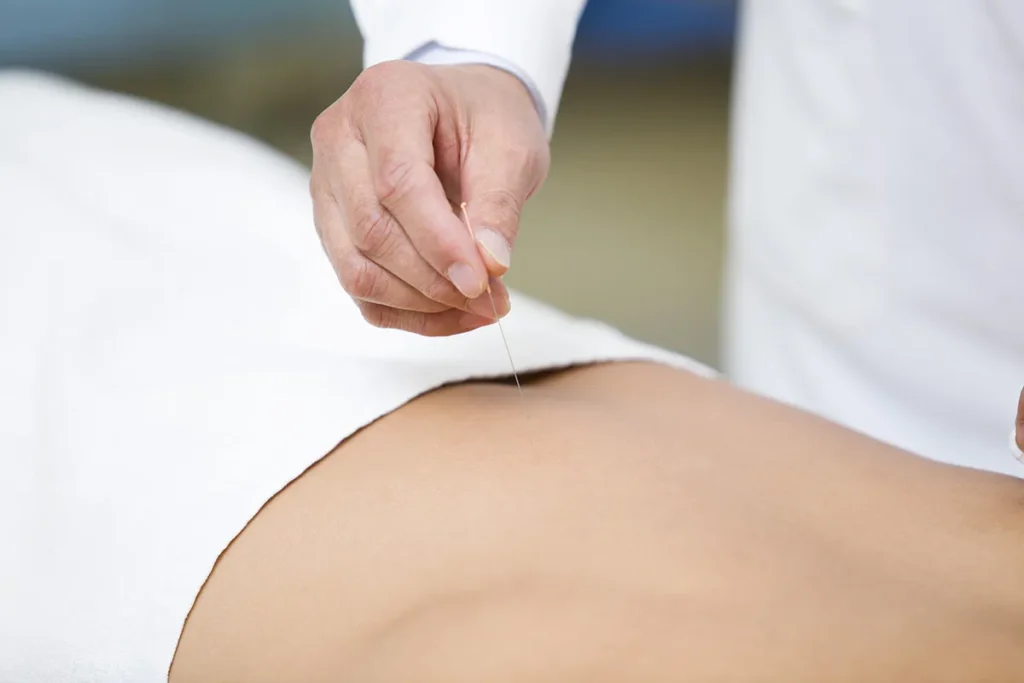
Research shows acupuncture can boost IVF success when used with other treatments. It helps us see how acupuncture aids in fertility and raises IVF success rates.
Research-Backed Evidence on Pregnancy Rates
Many studies have looked into acupuncture’s effect on IVF success. A big study found a 32 percent increase in clinical pregnancies and a 30 percent increase in live births with acupuncture. This shows acupuncture can be a great help in IVF, leading to better success rates.
Acupuncture works in several ways. It improves blood flow to the reproductive organs, lowers stress, and balances hormones. These are key for successful IVF.
How Acupuncture Supports Embryo Implantation
Acupuncture helps embryo implantation by improving blood flow and reducing contractions. It also helps the immune system not attack the embryo. This makes the uterus a better place for the embryo to settle.
For those trying IVF, adding acupuncture to their treatment can improve implantation chances. For more on acupuncture’s benefits for fertility, check out
Improves uterine blood flow
Reduces uterine contractions
Regulates the immune system
Enhances overall IVF success rates
Knowing how acupuncture helps with IVF success can help people decide to use it in their treatment.
Optimal Timing for Acupuncture Before Embryo Transfer
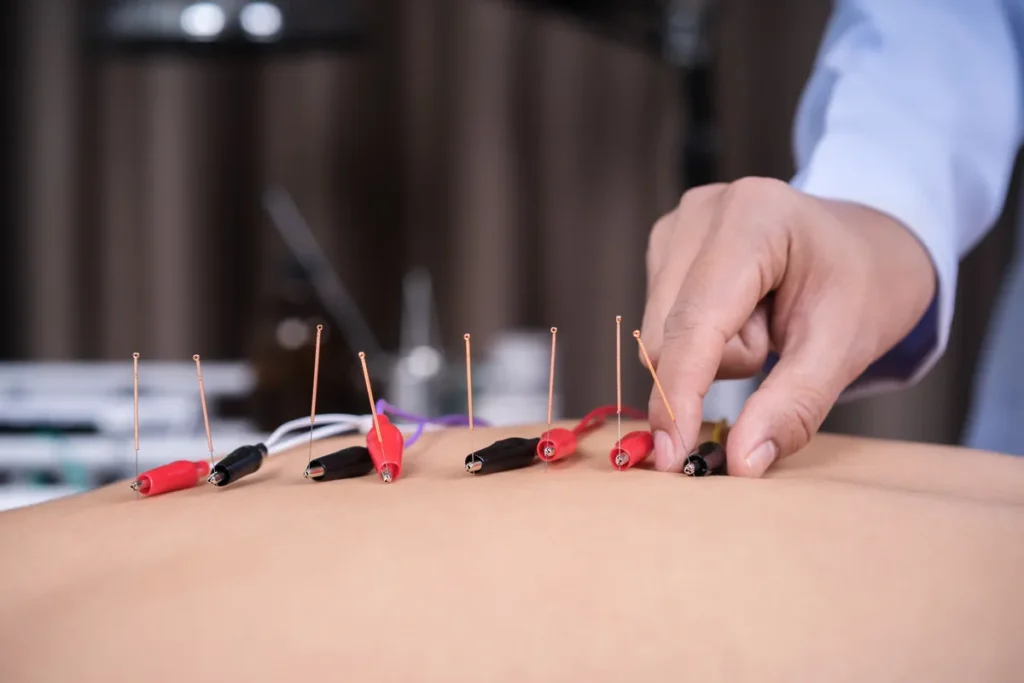
To boost IVF success, knowing when to do acupuncture before embryo transfer is key. Acupuncture can greatly improve IVF success by getting the body ready for the embryo.
The Critical 25-Minute Window Before Transfer
Research shows the 25-minute window before embryo transfer is best for acupuncture. It can make IVF more successful by improving blood flow to the uterus and relaxing uterine muscles.
Key benefits of acupuncture during this window include:
Improved uterine blood flow
Reduced uterine contractions
Enhanced embryo implantation
Preparing Your Body with Pre-Transfer Sessions
Experts say start acupuncture 3 months before fertility treatment for best results. Regular sessions can lower stress, balance hormones, and boost reproductive health.
Pre-transfer acupuncture sessions can:
Regulate menstrual cycles
Improve egg quality
Enhance sperm quality
Recommended Frequency of Pre-Transfer Treatments
How often to get acupuncture before embryo transfer matters. Sessions are usually 1-2 times a week, starting 3 months before IVF and going until the transfer day.
A summary of the recommended acupuncture schedule before embryo transfer is as follows:
Practical Guide to Acupuncture After Embryo Transfer
After the embryo transfer, a new chapter starts in your IVF journey. Acupuncture can be a big help. It helps the embryo implant by improving blood flow and reducing stress.
Immediate Post-Transfer Acupuncture Sessions
Studies show that acupuncture before and after transfer boosts pregnancy rates. Acupuncture after embryo transfer keeps supporting implantation. Having a session right after transfer helps relax your body and supports implantation.
Immediate post-transfer acupuncture offers many benefits:
It reduces stress and anxiety from fertility treatments.
It improves blood flow to the uterus.
It promotes relaxation and overall well-being.
Finding a Qualified Fertility Acupuncturist
To get the most from acupuncture after transfer, find a skilled fertility acupuncturist. Look for someone experienced in IVF and familiar with fertility.
When looking for a fertility acupuncturist, consider these:
Check their credentials and certifications.
Read reviews and testimonials from other patients.
Ask about their experience with IVF patients.
What to Expect During Your Sessions
In your acupuncture sessions after transfer, the acupuncturist will focus on relaxation and improving blood flow. Sessions are gentle and relaxing, making you feel calm and less anxious.
Common practices include:
Inserting fine needles into specific body points.
Using moxibustion or herbal medicine.
Advice on lifestyle and diet for fertility.
Adding acupuncture to your IVF plan can boost your chances of a successful pregnancy. It’s a holistic approach that supports your medical treatment and overall well-being.
Conclusion
Adding acupuncture to your fertility plan might boost your chances of getting pregnant. Studies show it can help IVF work better, even with frozen embryo transfers.
Research backs up acupuncture’s role in improving IVF success. It shows better pregnancy rates and overall health. If you’re looking for ways to help, acupuncture with FET or frozen embryo transfer could be worth trying.
For the best results, find a skilled fertility acupuncturist. They can make treatments fit your needs. This way, you can fully benefit from acupuncture and FET or frozen embryo transfer, helping you on your path to a successful pregnancy.
FAQ
What are the benefits of acupuncture for IVF success?
Acupuncture can boost IVF success by increasing pregnancy rates. It helps embryo implantation too. Studies show it’s a great addition to IVF treatments.
How does acupuncture support embryo implantation?
Acupuncture boosts blood flow to the uterus and reduces stress. It makes the uterus ready for embryo implantation. This helps in a successful implantation.
What is the optimal timing for acupuncture before embryo transfer?
The best time for acupuncture before embryo transfer is a 25-minute window before. Also, having sessions before can prepare the body. The number of sessions varies, but it’s usually more than one.
Can acupuncture be done on the day of embryo transfer?
Yes, you can have acupuncture on the day of embryo transfer. Research shows it can improve IVF success.
How often should I have acupuncture after embryo transfer?
After embryo transfer, acupuncture sessions can happen right away and then as needed. A fertility acupuncturist will guide you on how often.
What can I expect during an acupuncture session for fertility?
During a fertility acupuncture session, a practitioner will use needles to relax you and improve blood flow. It’s a calming experience and might include moxibustion or herbal medicine.
How do I find a qualified fertility acupuncturist?
Look for a licensed acupuncturist with fertility experience. Ask your doctor or check with groups like the American Society for Reproductive Medicine.
Is acupuncture safe to use in conjunction with IVF treatment?
Yes, acupuncture is safe with IVF when done by a skilled practitioner. Always tell your acupuncturist and doctor about your IVF and medications.
Can acupuncture improve the chances of a successful frozen embryo transfer?
Yes, acupuncture can help with a successful frozen embryo transfer. It improves the uterine lining and supports implantation.
References
National Center for Biotechnology Information. Evidence-Based Medical Insight. Retrieved from https://pubmed.ncbi.nlm.nih.gov/32213175/