

Alcohol addiction is a complex disorder that changes the brain’s structure and function. Drinking alcohol regularly can alter many brain areas. This makes it hard for people to control their drinking.
Studies from places like Johns Hopkins University show that even a little alcohol can shrink the brain. The Medical organization says heavy drinking can lead to memory loss and trouble focusing.
It’s important to understand the alcoholic brain to recover from alcohol addiction. Knowing how the brain works can help people see the challenges of recovery. It also shows why using proven treatments is key.
Key Takeaways
Alcohol addiction is a complex neurobiological disorder.
Chronic alcohol consumption alters brain structure and function.
Understanding the alcoholic brain is key to successful recovery.
Evidence-based treatments are important for alcohol addiction recovery.
Recovery is possible with the right approach and support.
The Science Behind Alcohol Addiction
It’s important to understand the science of alcohol addiction to find effective ways to recover. Alcohol addiction affects millions worldwide, causing harm to individuals, families, and communities.
Alcohol’s addictive nature comes from how it activates the brain’s reward circuits. This releases feel-good chemicals like dopamine, leading to repeated behavior. Chronic alcohol use can change the brain, making it hard to control drinking.
What Makes Alcohol Addictive
So, why do people get hooked on alcohol? It’s because alcohol interacts with the brain in a way that feels good. Medical Expert, an addiction expert, says,
Studies show alcohol’s addictive nature comes from its ability to:
Activate the brain’s reward circuits, releasing dopamine and other neurotransmitters
Make drinking more pleasurable by increasing dopamine’s effects
Change the brain long-term, leading to addiction
The Three-Stage Cycle of Addiction Development
The three-stage cycle model helps understand alcohol addiction. It includes binge/intoxication, withdrawal/negative affect, and preoccupation/anticipation stages.
The binge/intoxication stage is when people drink too much, feeling drunk and rewarded. The withdrawal/negative affect stage happens when drinking stops, causing negative feelings and physical symptoms. The preoccupation/anticipation stage is when people strongly want to drink, often losing control.
Knowing these stages can help people recognize addiction signs early and seek help.
How Alcohol Changes the Brain with Alcoholism
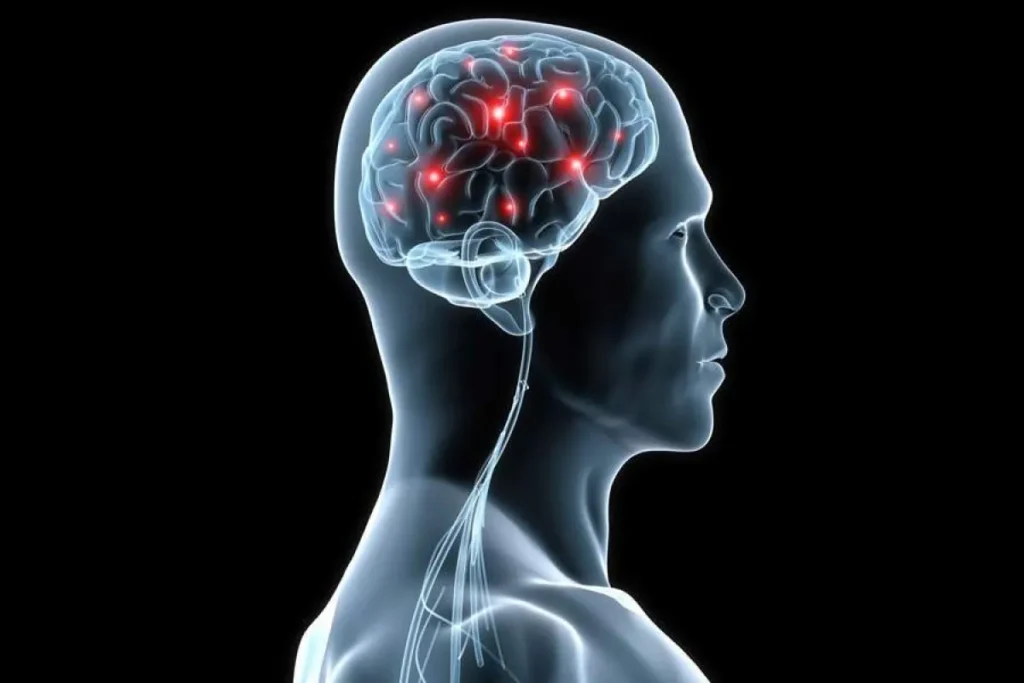
Drinking too much alcohol changes the brain in many ways. It affects areas important for making decisions, controlling emotions, and thinking clearly. As alcoholism gets worse, these changes can cause compulsive behaviors and trouble controlling emotions.
Prefrontal Cortex: Decision-Making and Impulse Control
The prefrontal cortex is key for making decisions and controlling impulses. Dysfunction in this area can lead to poor judgment and acting on impulse. This makes it hard for people to stop drinking.
Nucleus Accumbens: Reward Processing and Cravings
Alcohol changes how the nucleus accumbens handles dopamine, a key for feeling pleasure. This change can make cravings stronger. It’s hard for people to stop drinking because the reward response to alcohol is so strong.
Amygdala: Emotional Regulation and Anxiety
The amygdala helps control emotions. Alcoholism can harm this area, leading to more anxiety and stress. People might drink more to try to feel better.
Hippocampus: Memory and Cognitive Function
Alcoholism can hurt the hippocampus, important for memory and thinking. Damage here can cause memory problems and learning issues. This makes recovery even harder.
It’s important to understand how alcoholism affects the brain. This knowledge helps doctors create better recovery plans. They can focus on the specific needs of those with AUD.
Evidence-Based Recovery Strategies
Recovering from alcohol addiction needs a solid plan. This plan should include many strategies that fit the person’s needs. It’s a journey that takes time and effort.
Medical Detoxification and Withdrawal Management
First, you might need medical detox to get through withdrawal. Doctors use medicines like benzodiazepines to help with tough symptoms. Good detox is key to starting recovery right.
Behavioral Therapies for Addiction Recovery
Behavioral therapies tackle the mind part of addiction. Cognitive-behavioral therapy (CBT) helps change bad thoughts and actions linked to drinking. Mindfulness and motivational interviewing also help by boosting skills and motivation.
National Institute on Alcohol Abuse and Alcoholism
Medication-Assisted Treatment Options
Medicines can help by cutting down cravings and making drinking less appealing. Medicines like acamprosate, naltrexone, and disulfiram are proven to help people drink less. They fix brain chemistry and lessen the urge to drink.
Support Systems and Relapse Prevention
Having a strong support system is essential for staying sober. This includes groups like Alcoholics Anonymous (AA), family therapy, and one-on-one counseling. Relapse prevention plans help spot triggers and find ways to deal with them, lowering the chance of falling back into old habits.
Support groups offer a community of people who get it.
Family therapy can mend and strengthen family bonds.
Individual counseling provides personal support and advice.
By using these proven recovery strategies, people can beat alcohol addiction and live a better life. Recovery is a long journey that needs dedication, support, and the right tools. With the right approach, staying sober for the long haul is possible.
Conclusion: The Path Forward in Recovery
Understanding the alcoholic brain is key for recovering from alcohol addiction. Studies show that the brain starts to heal quickly after quitting. Neurons start to grow back and damaged areas repair within weeks.
Recovering from alcohol addiction needs a mix of strategies and support. Knowing how alcohol changes the brain helps in the recovery journey. A strong commitment to healing, with help from professionals and a supportive community, is essential.
For those fighting to overcome alcohol addiction, it’s important to know recovery is possible. With the right help and support, people can beat alcohol use disorder. They can live a healthier, happier life.
FAQ
What happens to the brain when someone becomes addicted to alcohol?
Drinking too much alcohol changes the brain a lot. It affects areas like the prefrontal cortex and the amygdala. These changes help explain why people can’t stop drinking.
Why is it so hard to quit drinking?
Alcohol makes the brain feel good, leading to a habit. It also messes with parts of the brain that help us make decisions and control our emotions. This makes it hard to stop drinking.
What are the stages of addiction development?
Addiction goes through three stages. First, the brain gets used to the reward of alcohol. Then, drinking becomes a habit. Lastly, it turns into a serious addiction.
How does alcoholism affect the brain’s decision-making processes?
Alcoholism changes the brain’s decision-making area. This area is important for controlling impulses. So, people with alcoholism often make compulsive choices.
What is the role of the nucleus accumbens in alcohol addiction?
The nucleus accumbens is key in feeling rewards and cravings. It plays a big part in why people can’t stop drinking.
How can individuals recover from alcohol addiction?
Getting better from alcohol addiction needs a full plan. This includes detox, therapy, medicine, and support groups.
What is the importance of support systems in recovery?
Support groups are very important. They offer a community and help from professionals. This helps people stay on the path to recovery.
Can the brain recover from the effects of chronic alcohol consumption?
Yes, the brain can heal from alcohol damage. With the right help, people can take back control of their lives. They can live a healthier, happier life.
Why do people become addicted to alcohol?
Many things can lead to alcohol addiction. Genetics, environment, and brain changes all play a part. The brain’s reward system and habit formation are key.
What makes alcohol addictive?
Alcohol is addictive because it makes the brain feel good. It releases dopamine, which makes people want to drink more. This leads to a habit.
References
National Center for Biotechnology Information. Evidence-Based Medical Insight. Retrieved from https://pubmed.ncbi.nlm.nih.gov/18500323/





