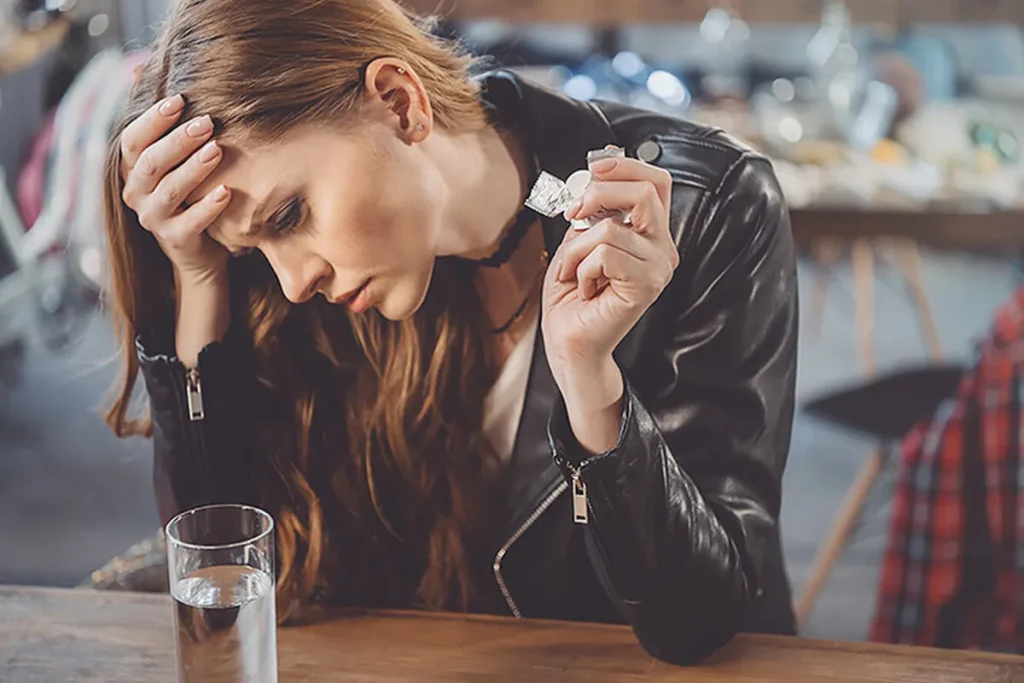
Waking up after a night of drinking can be tough. You might feel dread, racing thoughts, and intense anxiety. Millions of people worldwide deal with hangxiety, more than just a hangover headache.
Hangxiety is the mental impact of alcohol on your brain. It leaves you feeling uneasy and uncomfortable. At Liv Hospital, we focus on both your body and mind to tackle hangover symptoms anxiety.
Hangxiety symptoms can be terrifying after a night of drinking. Discover fast, effective ways to calm your mind and stop the post-alcohol dread.
Key Takeaways
Hangxiety is a common issue affecting many drinkers worldwide.
It’s characterized by feelings of anxiety and unease after drinking.
Understanding hangxiety is key to finding relief.
A patient-centered approach is essential for managing hangxiety.
Liv Hospital offers expert guidance on overcoming hangxiety.
Understanding Hangxiety and Its Causes
Hangxiety is a mix of alcohol and anxiety. It’s the anxiety you feel after drinking. But what makes it happen, and how can we stop it?
What Is Hangxiety?
Hangxiety is the anxiety you feel after drinking. It can be mild or severe. It depends on how much you drank, how your body reacts, and if you’re prone to anxiety.
The Science Behind Alcohol and Anxiety
Alcohol changes how our brain works, leading to hangxiety. At first, it relaxes us. But when it’s gone, our brain can get too active, causing anxiety.
Alcohol messes with our brain’s chemistry. It affects how our brain’s chemicals work together.
The GABA and Glutamate Connection
GABA and glutamate are key brain chemicals. GABA calms us down, while glutamate gets us excited. Alcohol changes how these chemicals work.
At first, alcohol makes GABA stronger, calming us. But when it’s gone, glutamate takes over, making us feel anxious. This is why we might feel anxious after drinking.
Knowing about GABA and glutamate helps us understand hangxiety. It shows why we might feel anxious after drinking. This knowledge helps us find ways to avoid hangxiety, like eating right, taking supplements, and managing stress.
Common Hangxiety Symptoms and Duration
The morning after can be tough, thanks to hangxiety. It brings physical and mental symptoms that can feel overwhelming. Knowing what these symptoms are and how long they last can help ease the pain of hangxiety.
Physical Manifestations
Hangxiety often comes with physical symptoms that can be really uncomfortable. Here are some common ones:
Nausea and Vomiting: A hangover’s unwelcome companion, nausea can range from mild to severe.
Headaches: Tension headaches or migraines can occur due to dehydration and the after-effects of alcohol.
Fatigue: Feeling extremely tired or lethargic is a hallmark of hangxiety.
Tremors or Shaking: Some individuals may experience tremors or shaking, particular in the hands.
Psychological Symptoms
Hangxiety also has mental effects that can be just as tough. These include:
Anxiety and Panic: Feelings of intense anxiety or panic attacks can occur, often without an apparent trigger.
Restlessness: A feeling of restlessness or an inability to relax is common.
Worry and Fear: Persistent worry and fear about the consequences of the previous night’s actions can be overwhelming.
How Long Does Hangxiety Typically Last?
How long hangxiety lasts can vary a lot. It can last from a few hours to a whole day. Sometimes, it can last even longer, depending on how much you drank.
Knowing about hangxiety symptoms and how long they last can help you deal with it better. While it’s tough, these symptoms usually go away with time.
Effective Remedies to Fix Hangxiety
There are many ways to deal with hangxiety and feel better in the morning. It’s important to know how to handle its symptoms.
Immediate Relief Strategies
Drinking water, eating well, and resting can help right away. Water replaces lost fluids and electrolytes. A balanced meal keeps your blood sugar steady. Rest helps your body and mind recover from alcohol.
Rehydration is key; consider electrolyte-rich beverages to combat dehydration. A nutritious meal can help stabilize your system, and adequate rest supports overall recovery.
Mind-Body Techniques
Mind-body techniques can really help with hangxiety. Deep breathing exercises, meditation, and yoga calm your mind and reduce anxiety. These methods help you relax and can be tailored to fit your needs.
Deep breathing exercises to calm the nervous system
Meditation to reduce stress and anxiety
Yoga to promote relaxation and flexibility
Supplements and Natural Remedies
Some supplements and natural remedies can ease hangxiety symptoms. Vitamin B supplements can help replace lost vitamins. Herbal remedies like ginger and peppermint can soothe your stomach. Other natural options include gingko biloba and ashwagandha, which can help reduce anxiety.
When to Seek Professional Help
If hangxiety is really bad, lasts a long time, or gets in the way of your daily life, you might need professional help. A healthcare expert can offer advice on managing hangxiety and help with any underlying issues.
It’s important to know when to ask for help. If you have severe anxiety, depression, or hangxiety happens a lot, talk to a healthcare professional. They can give you personalized advice and support.
Conclusion: Prevention and Long-Term Management
Understanding hangxiety is the first step to dealing with it. Knowing its causes and symptoms helps take action. Drinking in moderation can greatly reduce hangxiety.
Prevention includes staying hydrated, eating well, and managing stress. For those who often get hangxiety, changing drinking habits and finding new ways to relax are key. Knowing how long anxiety lasts after drinking helps plan for it.
Healthy habits and awareness of hangxiety factors can reduce its impact. Managing hangxiety requires quick fixes and long-term lifestyle changes. This empowers people to control their mental health.
FAQ
What is hangxiety?
Hangxiety is the anxiety some people feel after drinking. It’s a common issue that can be quite uncomfortable.
Does alcohol cause anxiety the next day?
Yes, alcohol can lead to anxiety the next day, known as hangxiety. This happens because alcohol changes how our brain works, affecting GABA and glutamate levels.
How long does anxiety last after drinking?
Hangxiety can last for hours after drinking. For some, it can even last a day or more.
What helps with hangxiety?
To ease hangxiety, try staying hydrated and using relaxation techniques. Supplements like vitamin B or herbal remedies can also help.
Can drinking cause anxiety the next day?
Yes, drinking can lead to anxiety the next day, more so if you drink a lot or often. Alcohol messes with brain chemicals, causing anxiety.
How to calm hangxiety?
To calm hangxiety, try deep breathing, physical activity, or mindfulness. Supplements like ashwagandha or passionflower can also help reduce anxiety.
What causes hangxiety?
Hangxiety comes from how alcohol affects our brain, mainly GABA and glutamate levels. Drinking boosts GABA, making us relax. But when the alcohol goes away, GABA drops, causing anxiety.
Is hangxiety a sign of an underlying issue?
Hangxiety isn’t always a sign of a bigger problem. But if you have it often or it’s really bad, it might mean you have an anxiety disorder. If you’re worried, talk to a healthcare professional.
References
National Center for Biotechnology Information. Evidence-Based Medical Insight. Retrieved from https://pubmed.ncbi.nlm.nih.gov/21707496/