

Recovering from depression is a journey that needs the right approach, support, and treatment. Knowing that depression healing is possible can be a big first step.
With the right strategies, including professional help and self-help techniques, people can recover from depression and live fulfilling lives. Liv Hospital offers a patient-centered approach. This means access to the latest treatments and a team of experts, helping each person on their unique journey to depression healing.
By recognizing the importance of seeking professional help and using self-help strategies, individuals can empower themselves on their path to recovery.
Healing from depression is a brave journey toward a better life. Explore these seven proven steps to find happiness and emotional strength again.
Key Takeaways
Depression recovery is achievable with the right treatment and support.
Professional help and self-help techniques are key for recovery.
A patient-centered approach ensures personalized care and support.
Latest treatment methods and multidisciplinary expertise are vital.
Empowering individuals on their recovery journey is key.
Understanding Depression in Today’s World

It’s important to understand depression to help those affected and society as a whole. Depression is a complex mental health issue that touches millions globally. It doesn’t discriminate by age, gender, or social status.
The Prevalence of Depression
Depression is more common than ever, with over 280 million people worldwide dealing with it. It’s a major cause of disability, affecting how well people live and work.
Depression hits different groups harder. This is due to age, gender, and life situations.
Why Recovery Is Achievable
Even with depression’s challenges, recovery is possible with the right help. Mental health care has made big strides. This includes therapy and medicine.
Evidence-based treatments can help manage symptoms.
Support from family, friends, and groups is key.
Changes in lifestyle, like exercise and healthy eating, help too.
Factors Affecting Depression Recovery
Many things can affect someone’s path to recovery from depression. These include:
Severity of Depression: How bad the symptoms are can impact recovery.
Co-occurring Mental Health Conditions: Having other mental health issues can make recovery harder.
Support System: A strong support network can greatly help.
Treatment Adherence: Following the treatment plan is vital for getting better.
Knowing these factors helps tailor recovery plans. This makes success more likely for each person.
The 7 Proven Steps for Healing from Depression
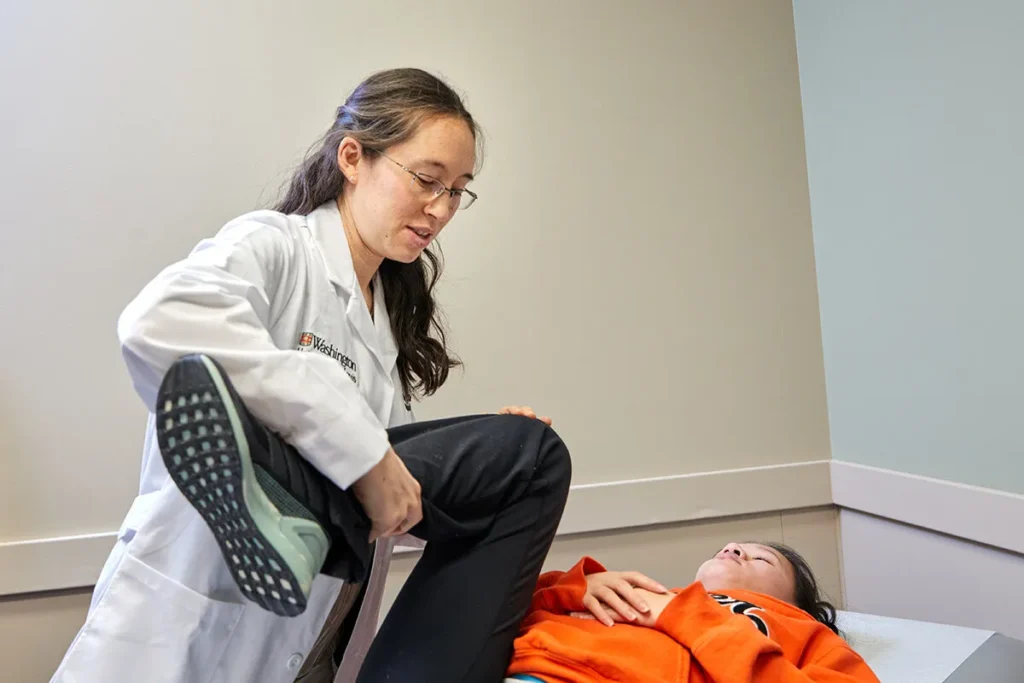
Healing from depression is a journey that’s different for everyone. It involves getting professional help, making personal efforts, and having a support system. Knowing these parts is key to getting better.
Step 1: Seek Professional Evaluation
The first step is to get a professional evaluation. Talk to a mental health expert who can give you a correct diagnosis and suggest treatments. This step is important because it shows how serious your depression is and if there are other issues too.
Step 2: Explore Medication Options
For many, medication is a big part of their treatment. Antidepressants can help by balancing brain chemicals. It’s important to work with your doctor to find the right medicine and dose, as it can really help your treatment work.
Step 3: Engage in Evidence-Based Therapy
Evidence-based therapies like Cognitive Behavioral Therapy (CBT) and Interpersonal Therapy (IPT) are very effective. They help you change negative thoughts and behaviors, improve how you talk to others, and find better ways to cope.
Step 4: Build a Supportive Community
Having a supportive community is very important when you’re getting over depression. This can be family, friends, support groups, or online communities. A supportive network gives you emotional support, practical help, and a sense of belonging, all of which are key for getting better.
Getting over depression is a complex process that needs professional help, personal effort, and a supportive place. By following these steps and making them fit your needs, you can greatly improve your chances of getting better.
Supporting Your Healing from Depression Journey
Starting to recover from depression takes a lot of strength, support, and a full plan for healing. It’s key to know the challenges and how to stay mentally well while going through this tough time.
Navigating Setbacks and Challenges
Setbacks are a normal part of getting better. It’s important to get ready for these tough times to keep moving forward. Learning how to deal with setbacks and growing from them can make you stronger.
Keeping a recovery journal can help a lot. Writing down your journey, feelings, and hurdles can give you deep insights into your mind. It helps spot patterns or things that might set you back.
Maintaining Long-Term Mental Wellness
Keeping your mind well for a long time needs self-care, friends, and professional help. Doing regular exercise, practicing mindfulness, and eating well are key for your mental health.
When to Seek Additional Support
Knowing when to ask for more help is very important. If your symptoms get worse or you feel too much, talk to your mental health expert. Douglas Bloch, a well-known expert in depression, says it’s key to get help when you need it.
There are many ways to get support, like therapy, groups, and hotlines. Knowing these resources are there can make you feel safer and more confident on your healing path.
Conclusion
Recovering from depression is a journey that needs patience, courage, and the right support. Understanding depression and seeking professional help are key steps. Adopting evidence-based strategies helps individuals start their healing journey.
The 7 proven steps in this article offer a complete approach to overcoming depression. From getting a professional evaluation to building a supportive community, each step is vital. They all play a big role in the healing process.
Remember, healing from depression is possible. With persistence and the right mindset, you can beat depression’s challenges. You’ll come out stronger, more resilient, and ready to live a fulfilling life.
By using the strategies and support systems mentioned, you can start a brighter tomorrow. Recovering from depression shows your strength and resilience.
FAQ
What are the first steps I should take to recover from depression?
First, seek help from a mental health expert like a therapist. They can give you a proper diagnosis and a treatment plan. Douglas Bloch says getting professional help is key to creating a recovery plan that fits you.
How long does it take to recover from depression?
Recovery time varies for everyone. It depends on how severe your depression is, how well treatment works, and your personal situation. With the right help, you might see improvements in a few weeks or months.
Can depression be cured, or is it a lifelong condition?
Depression is treatable, but it’s not always “curable” in the traditional sense. Yet, with the right treatment and self-help, many people manage their symptoms and live fulfilling lives.
What role does therapy play in depression recovery?
Therapy, like cognitive-behavioral therapy (CBT) or interpersonal therapy (IPT), is very effective. It helps you change negative thoughts, develop coping skills, and improve relationships.
How can I maintain long-term mental wellness after recovering from depression?
To keep your mental wellness, you need to keep working at it. This means continuing therapy, taking care of yourself, staying connected with loved ones, and doing things that make you happy.
What are some common setbacks during depression recovery, and how can I overcome them?
Setbacks include relapsing, feeling overwhelmed, or struggling with negative thoughts. To get through these, stay close to your support network, be kind to yourself, and ask for help when you need it.
Are there any lifestyle changes that can help support depression recovery?
Yes, a healthy lifestyle is important for recovery. This means exercising regularly, eating well, getting enough sleep, and managing stress with activities like meditation or yoga.
References
Cuijpers, P., Karyotaki, E., de Wit, L., & Ebert, D. D. (2020). The effects of fifteen evidence-supported therapies for adult depression: A meta-analytic review. Psychotherapy and Psychosomatics, 89(5), 279–293. https://pubmed.ncbi.nlm.nih.gov/32447321/





