

Methamphetamine addiction is a big problem worldwide, hitting about 2.6 million people in the U.S. alone. To beat it, we need a plan that tackles both the body and mind.
Modern rehabilitation now uses proven therapies, new tech, and tailored meds. This mix helps people fight addiction and win back their lives.
It’s key to understand how meth addiction works to make good recovery plans. With new therapies and caring support, people can leave addiction behind and start anew.
Key Takeaways
Comprehensive methamphetamine rehabilitation addresses physiological and psychological aspects of addiction.
Modern meth therapy incorporates evidence-based approaches and cutting-edge technology.
Personalized care and support are key for effective recovery.
Recovery from methamphetamine addiction is a long-term process needing ongoing support.
A multifaceted approach is vital for lasting recovery results.
Understanding Methamphetamine Addiction
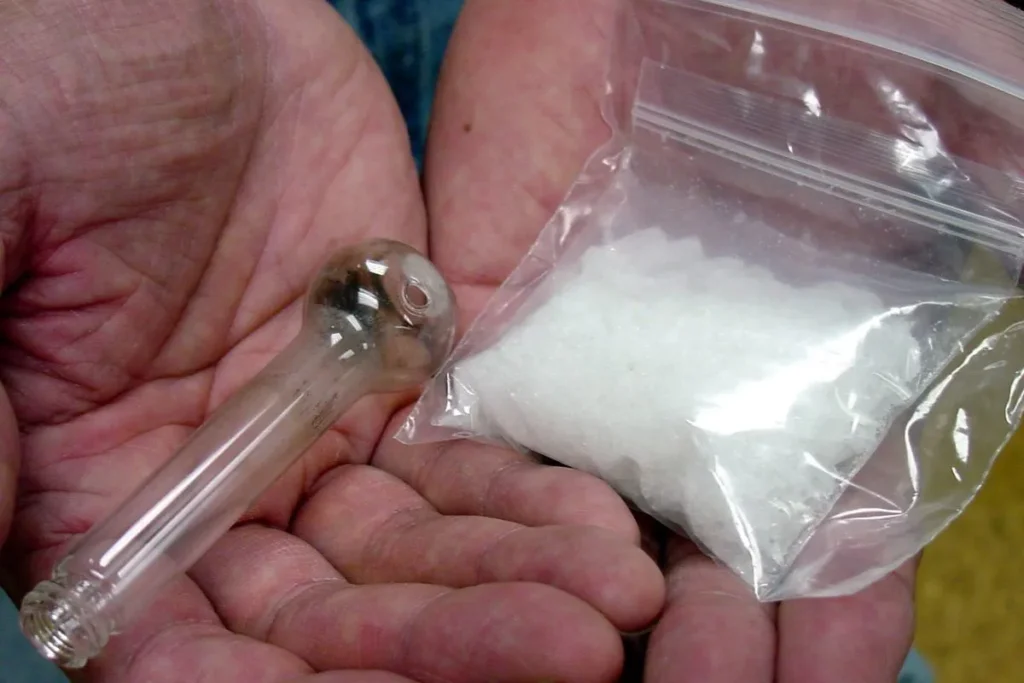
It’s key to understand methamphetamine addiction to create good treatment plans. Methamphetamine is a very addictive drug and a big health worry in the U.S.
The Scale of the Problem in the United States
The 2022 National Survey on Drug Use and Health found 2.7 million Americans aged 12 or older used methamphetamine in the past year. This shows how widespread methamphetamine abuse is, making it clear we need more treatment options.
Methamphetamine addiction doesn’t just hurt the person using it. It also harms families, communities, and society. We need treatments that tackle all these problems.
How Methamphetamine Affects the Brain and Body
Methamphetamine makes users feel more awake and happy. But, it also changes the brain in ways that can last a long time. This can lead to long-term problems with thinking and behavior.
Increased heart rate and blood pressure
Enhanced energy and alertness
Potential for severe dental problems
Increased risk of infectious diseases
These changes show how methamphetamine deeply affects both physical and mental health. We need to treat it in a way that looks at the whole person.
Signs and Symptoms of Methamphetamine Addiction
Spotting the signs of methamphetamine addiction early is important. Look for:
Increased tolerance to the drug
Withdrawal symptoms when not using
Neglect of responsibilities and activities
Continued use despite negative consequences
Knowing these signs helps people and families get timely and effective treatment. This can greatly improve recovery chances.
Evidence-Based Methamphetamine Treatment Approaches

Effective methamphetamine treatment uses proven methods to help those struggling with addiction. These methods have been tested and shown to work well in supporting recovery.
Cognitive-Behavioral Therapy (CBT)
Cognitive-behavioral therapy is a key treatment for methamphetamine addiction. It helps change negative thoughts and behaviors that lead to drug use. This way, people can manage cravings and avoid relapse.
CBT is done one-on-one or in groups, based on each person’s needs. It helps patients understand and deal with triggers for methamphetamine use.
Contingency Management Programs
Contingency management is another effective method for treating methamphetamine addiction. It rewards positive actions, like clean drug tests or attending treatment sessions.
These rewards motivate people to stay in treatment and work towards recovery. The rewards can be things like vouchers or prizes.
The Matrix Model
The Matrix Model combines CBT, contingency management, and other therapies. It offers a structured way for people to understand their addiction and learn recovery skills.
This model is known for its success in treating methamphetamine addiction. It provides a supportive environment and a clear plan. It also stresses the importance of family and social support in recovery.
Support Groups and Family Therapy
Support groups and family therapy are key in recovery. Support groups offer a community of people facing similar challenges. Family therapy educates family members about addiction and recovery.
This education can make home environments more supportive and improve relationships. By using these evidence-based approaches, people can get the help they need to recover from methamphetamine addiction.
Medical and Advanced Treatment Options
New medical treatments are giving hope to those fighting methamphetamine addiction. Research is finding new ways to tackle this complex issue. This leads to better treatment options for those struggling.
Promising Medication Combinations
Studies show that mixing different drugs can make treatment work better. For example, a study found a 27 percent increase in clean urine tests with combination therapy. This method targets different parts of addiction, like cravings and withdrawal.
Medication combinations are key in treating methamphetamine addiction. Tailoring treatment to each person’s needs helps improve results and lower relapse risk.
Brain Stimulation Techniques
Techniques like Transcranial Magnetic Stimulation (TMS) and transcranial Direct Current Stimulation (tDCS) are showing promise. They work by changing brain activity linked to cravings and addiction.
TMS and tDCS have been shown to lessen cravings and boost brain function in those with addiction. They target specific brain areas, providing a new treatment method.
Detoxification and Withdrawal Management
Detox and managing withdrawal are key parts of treating methamphetamine addiction. Doctors use a mix of drugs and support to ease symptoms, which can be tough.
Good detox plans involve watching patients closely and giving them the right support. This might include drugs for anxiety, depression, and other withdrawal symptoms.
By using advanced treatments like medication combinations and brain stimulation, along with effective detox, healthcare can offer a full treatment plan. This helps those struggling with addiction get the help they need.
Conclusion: Creating a Sustainable Recovery Plan
Effective treatment for methamphetamine addiction is all about tackling both physical and mental sides of addiction. It’s key to make a recovery plan that lasts for those fighting addiction.
A good recovery plan mixes different treatments. This includes cognitive-behavioral therapy, contingency management, and support groups. People with meth addiction can find help in rehab programs. These offer various treatments like meth abuse treatment and help for crystal meth.
Staying on the path to recovery needs ongoing support and guidance. Using medical and advanced treatments, like new medicines and brain stimulation, helps beat addiction. With the right treatment, people can take back their lives and move towards a healthier future without addiction.
FAQ
What is methamphetamine addiction, and how does it affect the brain and body?
Methamphetamine addiction is a chronic disorder where a person cannot stop using the drug despite harm. It alters brain function, affecting mood, memory, and decision-making, and can cause serious physical issues like heart problems, dental damage, and skin sores.
What are the signs and symptoms of methamphetamine addiction?
Common signs include increased energy, reduced appetite, unusual behavior, neglect of personal hygiene, financial problems, and strained relationships.
What is cognitive-behavioral therapy (CBT), and how is it used in methamphetamine treatment?
CBT is a therapy that helps people change negative thoughts and behaviors. It teaches coping skills to avoid triggers and prevent relapse.
What are contingency management programs, and how do they work?
These programs reward positive behaviors like staying drug-free with incentives such as vouchers or small rewards, encouraging recovery.
What is the Matrix Model, and how is it used in methamphetamine treatment?
The Matrix Model is a structured program combining therapy, education, drug testing, and support to help individuals stay sober and build healthy habits.
Are there any medications available to treat methamphetamine addiction?
There are no approved medications specifically for meth addiction, but some drugs may help manage symptoms like depression or cravings.
What are brain stimulation techniques, and how are they used in methamphetamine treatment?
Brain stimulation methods, like transcranial magnetic stimulation (TMS), use magnetic pulses to improve brain function and reduce cravings.
How can I maintain long-term recovery from methamphetamine addiction?
Long-term recovery involves therapy, avoiding triggers, building healthy routines, and staying connected with support systems.
What is the role of support groups and family therapy in methamphetamine treatment?
Support groups provide peer encouragement, while family therapy helps rebuild relationships and create a supportive home environment.
How can detoxification and withdrawal management help in treating methamphetamine addiction?
Detox helps clear the drug from the body safely, while withdrawal management reduces symptoms like fatigue, depression, and cravings.
References
National Center for Biotechnology Information. Evidence-Based Medical Insight. Retrieved from https://pmc.ncbi.nlm.nih.gov/articles/PMC9185770/





