

Quitting nicotine addiction is tough, but it’s doable with the right plan. Millions face nicotine dependency, and a slow withdrawal system works well. It’s backed by science.
The one step at a time nicotine addiction withdrawal system offers amazing results. Follow this powerful plan to quit smoking for a healthy life.
GoldCity Center has a detailed program. It mixes medical advice with support for behavior. This helps people to quit nicotine for life. By following a clear plan, they can beat both the physical and mental sides of addiction.
Going slow with withdrawal, with doctor’s help, boosts success chances. This way, people can get their health back. They can start living without nicotine.
Key Takeaways
Gradual withdrawal is a clinically-supported approach to quitting nicotine.
Medical guidance and behavioral support are key to beating nicotine addiction.
A step-by-step plan tackles both physical and mental sides of nicotine addiction.
GoldCity Center offers a full program for quitting nicotine addiction.
With the right support, living without nicotine is possible.
Understanding Nicotine Addiction and Withdrawal
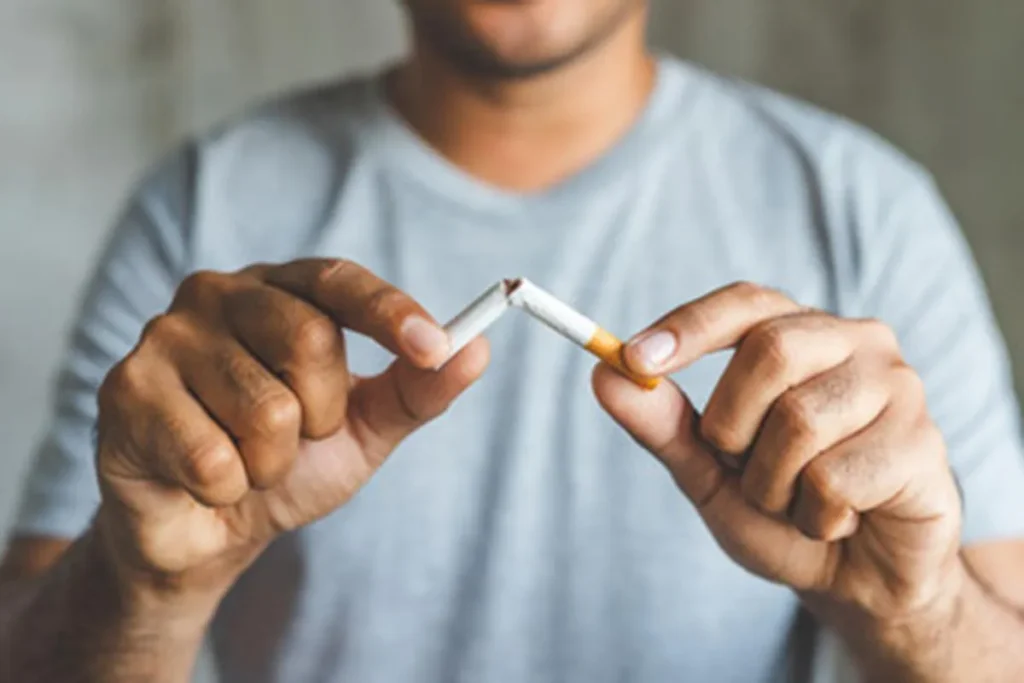
Nicotine addiction affects millions worldwide. It’s important to understand how it works to stop it. Nicotine, found in tobacco, changes brain chemistry. It releases dopamine, which we associate with pleasure.
The Science Behind Nicotine Dependency
Nicotine acts like a neurotransmitter called acetylcholine. This is involved in thinking and muscle control. When it hits the brain, it makes us feel good by releasing dopamine.
But, the brain soon needs more nicotine to feel that good feeling again. This creates a cycle of dependency. It’s hard to break because of the changes it makes in the brain.
The Role of Dopamine: Dopamine is key in nicotine addiction. It makes us want to use nicotine because it feels good. Without nicotine, the brain misses out on dopamine, making it hard to quit.
Withdrawal Timeline and Symptoms
Stopping nicotine leads to withdrawal. This process can be tough but is a big step towards recovery. Symptoms usually peak in 48 hours and last about three to four weeks.
Common withdrawal symptoms include:
Irritability and mood swings
Insomnia and disturbed sleep patterns
Anxiety and restlessness
Increased appetite and weight gain
Knowing the withdrawal timeline and symptoms helps prepare for the challenges. It lets you know what to expect. This way, you can better handle the discomfort and stay focused on quitting nicotine.
One Step at a Time Nicotine Addiction Withdrawal System

Our step-by-step nicotine withdrawal system helps people quit nicotine addiction. It offers a clear, three-phase plan. This plan has been shown to increase quit rates by 50 to 70 percent with the right support.
Phase 1: Preparation and Assessment
The first phase is about getting ready and assessing your nicotine use. You’ll identify your triggers. This phase is key for making a personalized quit plan.
Nicotine replacement therapy (NRT) and counseling are explored. They help find the best approach for you.
Knowing your nicotine dependency is essential. You’ll learn about your history, when you use nicotine, and what triggers you. This info helps create a plan that meets your needs.
Phase 2: Implementing a 7-14 Day Interval Reduction Plan
In the second phase, you start a 7-14 day interval reduction plan. You’ll gradually cut down on nicotine over 7 to 14 days. This helps reduce withdrawal symptoms.
For example, if you smoke, you might smoke fewer cigarettes each day. If you use NRT, you’ll decrease the dosage. This makes it easier to manage cravings and withdrawal.
Phase 3: Combining Behavioral Therapy with Medical Support
The final phase combines behavioral therapy with medical support. Therapy helps change your smoking behaviors. Medical support, like NRT or prescription meds, manages withdrawal symptoms and cravings.
Counseling and support groups are also important. They offer encouragement, guidance, and a sense of community. This helps keep you motivated and overcomes challenges.
By following this step-by-step withdrawal system, you can beat nicotine addiction. The combination of preparation, gradual reduction, and support is a strong way to live a nicotine-free life.
Conclusion: Preventing Relapse and Maintaining Freedom
Breaking free from nicotine addiction is a big win. But, keeping that freedom takes hard work. About 50 percent of people slip back into nicotine use within a year. So, stopping relapse is key to lasting recovery.
To stay nicotine-free, keep up the good work that helped you quit. This means ongoing counseling, joining support groups, and using behavioral therapy. By staying true to your recovery plan, you can beat nicotine withdrawal and keep your freedom.
Stopping relapse means being alert and taking action. Keep in touch with support groups and use the coping skills you learned. This way, you can lower your chance of falling back into nicotine use and live a healthier life.
Freedom from nicotine addiction is a journey, not just a goal. With the right attitude and support, you can beat nicotine addiction. And enjoy a healthier, more rewarding life.
FAQ
What is nicotine addiction and how does it affect the body?
Nicotine addiction is a serious condition where the body depends on nicotine. This substance is found in tobacco products. It affects the brain’s reward system, releasing feel-good chemicals like dopamine. This leads to physical and psychological dependence.
What are the common symptoms of nicotine withdrawal?
Symptoms of nicotine withdrawal include irritability, anxiety, and trouble concentrating. You might also feel restless, have insomnia, increased appetite, and strong cravings for nicotine. A gradual withdrawal system can help manage these symptoms.
How does a gradual withdrawal system help in quitting nicotine addiction?
A gradual withdrawal system reduces nicotine intake slowly. This lets the body adjust to lower levels of nicotine. It makes quitting easier by minimizing withdrawal symptoms.
What is the one step at a time nicotine addiction withdrawal system?
The one step at a time system is a detailed approach to quitting nicotine addiction. It has three phases: preparation, implementing a reduction plan, and combining therapy with medical support. This structured method helps individuals overcome addiction.
How long does it take to overcome nicotine addiction using the one step at a time withdrawal system?
The time it takes varies based on individual factors like nicotine dependence level and the effectiveness of the plan. Generally, it involves a 7-14 day reduction plan, followed by ongoing support and therapy.
What role does behavioral therapy play in quitting nicotine addiction?
Behavioral therapy is key in quitting nicotine addiction. It helps individuals identify and manage triggers, develop coping strategies, and stay motivated. It’s often combined with medical support, like nicotine replacement therapy, for best results.
How can I prevent relapse after quitting nicotine addiction?
Preventing relapse requires ongoing support and therapy, like counseling and support groups. Maintaining a healthy lifestyle is also important. Being vigilant and aware of triggers can help stay free from nicotine addiction.
What are some effective strategies for managing cravings during nicotine withdrawal?
Effective strategies include nicotine replacement therapy, counseling, and behavioral therapy. Staying hydrated, engaging in physical activity, and finding healthy stress management alternatives can also help manage cravings.
References
JAMA Network. Evidence-Based Medical Insight. Retrieved from https://jamanetwork.com/journals/jamanetworkopen/fullarticle/2797187





