
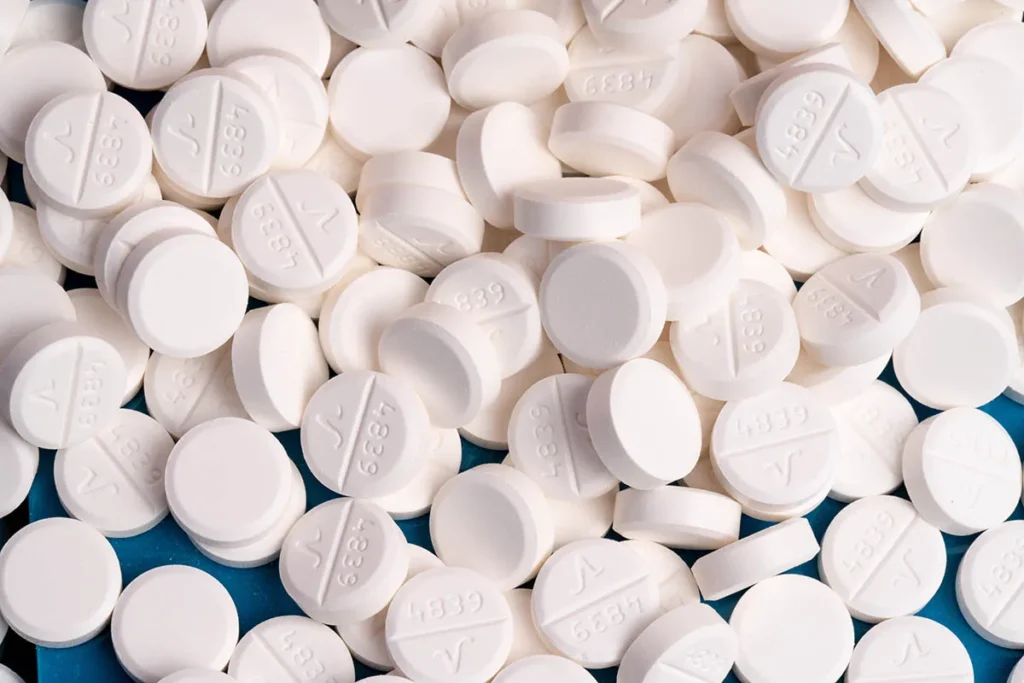
The United States has been facing a severe opioid crisis. But, recent data shows a glimmer of hope. In 2024, there were about 80,391 drug overdose deaths, a 26.9% drop from 110,037 in 2023. This decrease is a key step towards solving the nation’s deadliest health issues.
Oxycodone 5 mg is a strong opioid used for severe pain. This includes pain from major trauma, surgery, or cancer. It’s effective in managing pain, but it must be used carefully to avoid opioid dependency.
As the nation deals with the opioid crisis, it’s important to understand medications like oxycodone 5mg pill. Knowing both the benefits and risks helps healthcare providers and patients manage pain safely and effectively.
Key Takeaways
The US saw a 26.9% decrease in drug overdose deaths in 2024 compared to 2023.
Oxycodone 5 mg is used for managing severe pain.
Responsible use of oxycodone is key to avoid opioid dependency risks.
Understanding oxycodone’s benefits and risks is vital for safe pain management.
The decline in overdose deaths shows progress in fighting the opioid crisis.
Understanding Oxycodone 5 mg: Classification and Mechanism
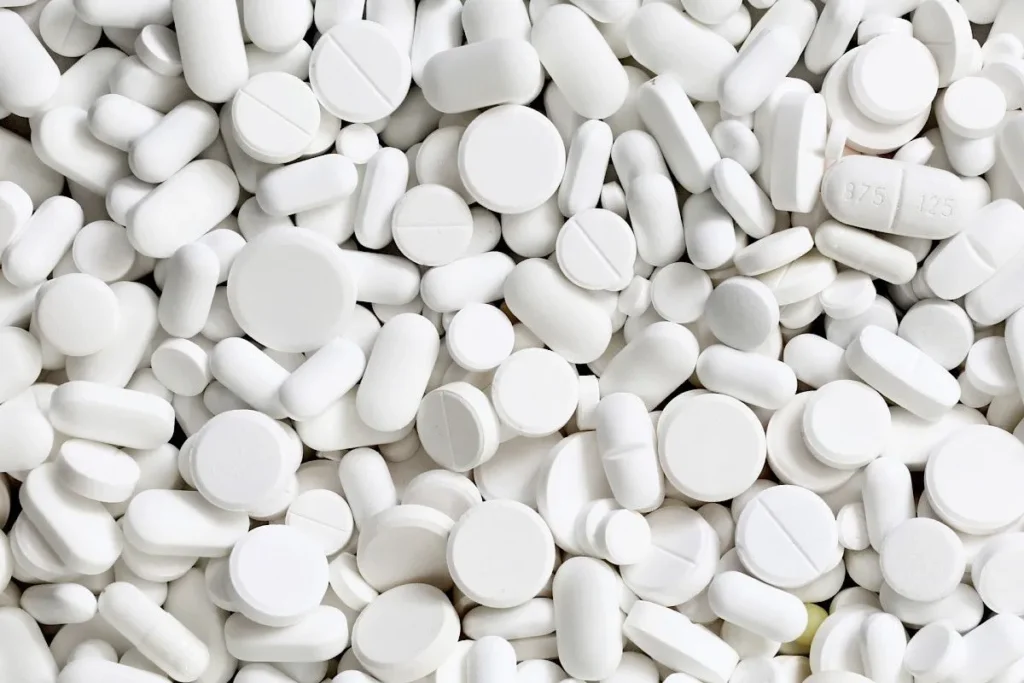
It’s important to know how oxycodone 5 mg works and its classification. This knowledge helps ensure it’s used safely and effectively. Oxycodone is a strong opioid used for pain that’s not easily managed.
What is Oxycodone and How it Works
Oxycodone is an opioid, a class of medicines that change how we feel pain. It connects to receptors in the brain and spinal cord. This action helps reduce pain. The 5 mg oxycodone pill is often used for short-term pain relief.
Oxycodone comes in different forms like tablets, capsules, and solutions. The quick-acting tablets start working fast, usually within 30 minutes to an hour.
Available Forms and Identification of Oxycodone 5 mg Pills
The oxycodone 5mg pill can be identified by its shape, color, and markings. These pills are usually round or oval and white or blue. But, the exact look can change based on who made it.
It’s key to correctly identify the 5 mg oxycodone pill to get the right dose. Always listen to your doctor’s advice when taking oxycodone.
Medical Uses and Proper Dosage of Oxycodone 5 mg
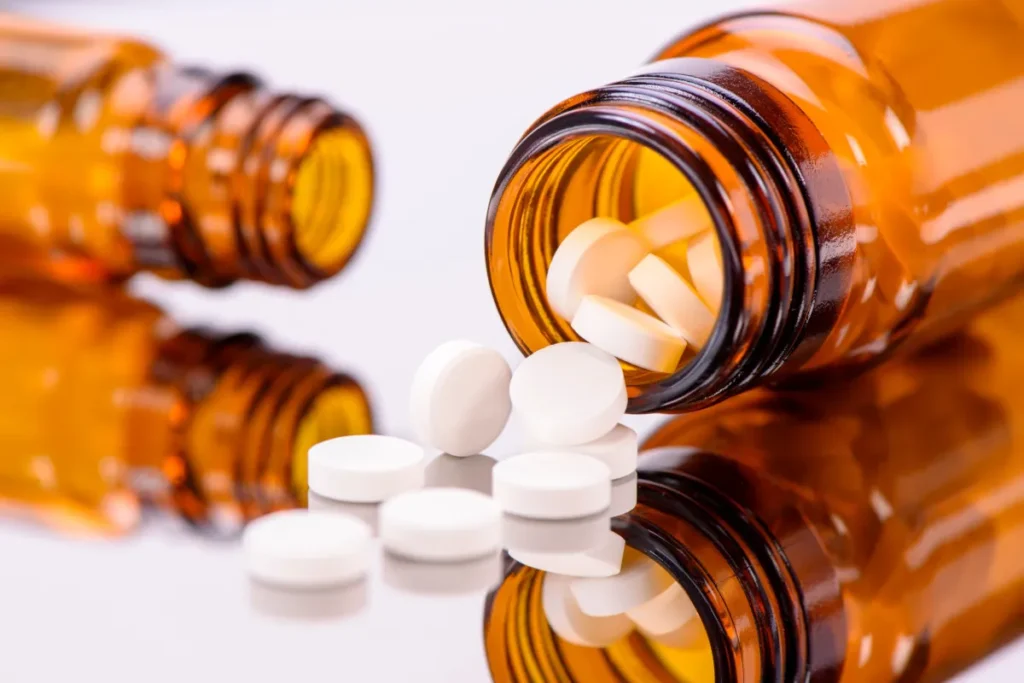
Oxycodone 5 mg is approved by the FDA for managing moderate-to-severe pain. It’s a key option for those needing strong pain relief.
FDA-Approved Uses for Pain Management
Oxycodone 5 mg is used for pain not controlled by other meds. It’s an opioid that changes how the brain and nervous system handle pain.
The FDA has approved oxycodone for its safety and effectiveness. It comes in immediate-release and extended-release tablets.
Standard Dosing Guidelines and Administration
The dose of oxycodone 5 mg is adjusted based on pain and individual factors. Start with a low dose and increase as needed, under doctor’s guidance.
Special Populations: Elderly, Hepatic, and Renal Considerations
Elderly, or those with liver or kidney issues, need dose adjustments. This is to avoid side effects. They also need closer monitoring.
Key Considerations:
Reduce initial dose in elderly or debilitated patients.
Monitor patients with hepatic impairment closely.
Adjust dosage according to renal function.
Understanding oxycodone 5 mg’s medical uses and dosage helps healthcare providers manage pain safely and effectively.
Oxycodone 5 mg Side Effects and Safety Concerns
It’s important to know the side effects of oxycodone 5 mg for safe pain relief. Oxycodone is an opioid used for moderate to severe pain. It can cause side effects, from mild to serious and life-threatening.
Common and Mild Side Effects
People taking oxycodone 5 mg might feel drowsy, dizzy, or nauseous. They might also have headaches or constipation. These effects are usually mild and can lessen over time.
If you’re taking this medication, tell your doctor if these side effects bother you. They can adjust your treatment if needed.
Serious Adverse Reactions and Warning Signs
While rare, serious side effects can happen with oxycodone 5 mg. These include:
Respiratory depression
Severe allergic reactions
Confusion and sedation
Respiratory depression is very dangerous and needs quick medical help. Look out for slow breathing, confusion, and extreme sleepiness.
Drug Interactions and Contraindications
Oxycodone 5 mg can interact with other drugs, causing problems. Always tell your doctor about all medications and substances you’re taking. Certain conditions, like significant respiratory depression, acute or severe asthma, and known or suspected paralytic ileus, mean you shouldn’t take oxycodone.
Oxycodone and other opioids carry a risk of addiction. The U.S. is facing an opioid crisis, with many overdoses and deaths. It’s vital to screen patients carefully and educate them about opioid risks.
The CDC reports over 47,000 opioid-related overdose deaths in 2017. Prescription opioids are a big part of this problem. Doctors must weigh pain relief against addiction risks, using tools like prescription drug monitoring programs and patient education to help.
Conclusion: Responsible Use and Monitoring
Using oxycodone 5mg responsibly is key to its safe use. It helps manage pain well. Knowing the side effects and following the dosage is important.
It’s vital to work with your doctor closely. This way, you can adjust your treatment plan as needed. This ensures safe and effective pain relief.
Understanding how to use oxycodone 5mg properly helps manage pain safely. Monitoring and responsible use lead to the best results with this medication.
FAQ
What is oxycodone 5 mg used for?
Oxycodone 5 mg helps manage moderate to severe pain. It’s an opioid that changes how the brain and nervous system feel pain.
How does oxycodone 5 mg work?
It works by binding to opioid receptors in the brain and spinal cord. This changes how we feel pain. It comes in immediate-release and extended-release forms.
What are the common side effects of oxycodone 5 mg?
Side effects include dizziness, drowsiness, nausea, vomiting, constipation, and headache. These are usually mild and short-lived, but some can be serious.
Can oxycodone 5 mg be taken with other medications?
Yes, but it can interact with other drugs. This includes opioids, benzodiazepines, and antidepressants. Always tell your doctor about all medications you’re taking.
How should oxycodone 5 mg be taken?
Take it orally, with or without food, as your doctor says. The dose and how often you take it will depend on your health and age.
What are the risks associated with oxycodone 5 mg?
It can lead to addiction, abuse, and overdose. It also can cause breathing problems, which is dangerous, mainly when taken in large amounts or with other substances.
Can oxycodone 5 mg be used in elderly patients?
Yes, but with care. Older adults might be more affected by oxycodone. Your doctor may need to adjust the dose.
How to identify oxycodone 5 mg pills?
Oxycodone 5 mg pills are round, white, and have a specific mark. The look can vary by the maker.
What should I do if I miss a dose of oxycodone 5 mg?
If you miss a dose, take it as soon as you remember. But if it’s almost time for the next one, skip it and stick to your regular schedule.
Can oxycodone 5 mg be used during pregnancy or breastfeeding?
It should be used with caution during pregnancy or breastfeeding. Talk to your doctor if you’re expecting or breastfeeding.
References
Centers for Disease Control and Prevention. Evidence-Based Medical Insight.
Retrieved from https://www.cdc.gov





