Many people wonder can depression cause hair thinning and if the emotional burden of mood disorders can manifest on the scalp. The answer is nuanced: depression can indeed trigger physiological changes that disrupt the normal hair growth cycle, leading to noticeable thinning. In this article we explore the biological pathways, the most common pattern called telogen effluvium, early warning signs, and practical treatment options.
Hair health is often a silent indicator of overall well‑being. A sudden increase in shedding can be alarming, especially when it coincides with periods of low mood, anxiety, or chronic stress. According to dermatology research, up to 30 % of patients with depressive symptoms report some form of hair loss, highlighting the importance of addressing both mental and physical health together.
We will walk through the science behind stress‑related hair loss, differentiate it from other forms of alopecia, and provide evidence‑based recommendations for restoring hair density while supporting emotional recovery. Whether you are experiencing a few extra strands in the shower or a more pronounced thinning on the crown, understanding the link between depression and hair health is the first step toward effective care.
The Connection Between Mood Disorders and Hair Growth
Depression influences the body through a cascade of hormonal and inflammatory responses. Elevated cortisol levels, commonly known as the “stress hormone,” can push a larger proportion of hair follicles into the resting telogen phase, shortening the growth period and resulting in shedding.
Key mechanisms include:
- Hormonal imbalance: Increased cortisol and altered thyroid hormones disrupt the anagen (growth) phase.
- Inflammatory cytokines: Chronic inflammation interferes with follicular stem cells.
- Reduced blood flow: Stress‑induced vasoconstriction limits nutrient delivery to the scalp.
These changes are not exclusive to depression; any prolonged psychological stress can produce similar effects. However, depression often persists longer than acute stress, making the impact on hair more sustained.
Understanding this relationship helps clinicians differentiate between stress hair loss and other conditions such as androgenetic alopecia. While the latter is genetically driven, stress‑related thinning is typically reversible once the underlying emotional trigger is managed.
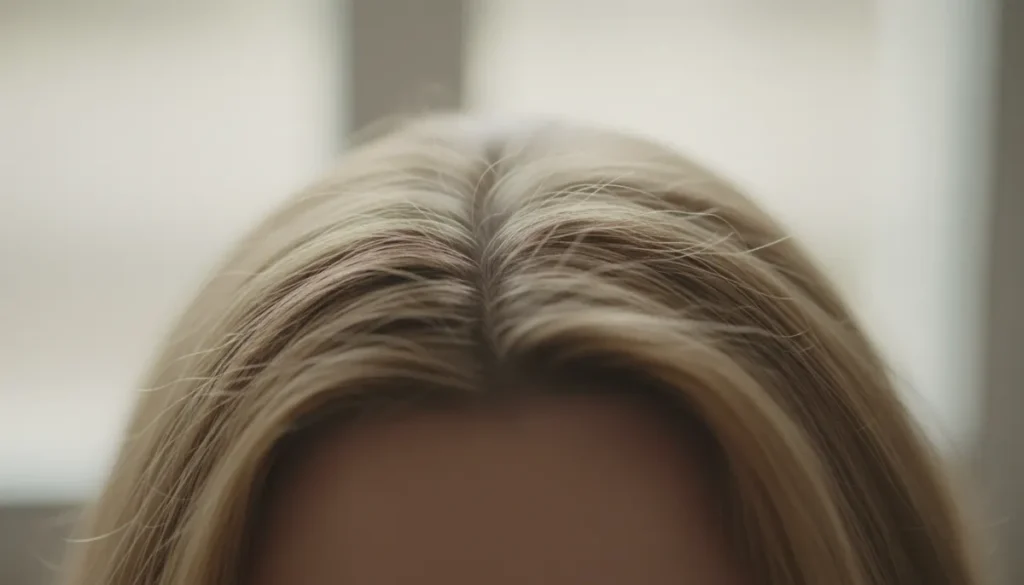
Telogen Effluvium: The Most Common Stress‑Related Hair Loss Pattern
Telogen effluvium is the medical term for a diffuse shedding of hair that often follows a significant emotional or physical stressor. It is the most frequent form of hair loss linked to depression, accounting for up to 70 % of cases where patients report a sudden increase in hair fall.
What Is Telogen Effluvium?
In a healthy scalp, approximately 85‑90 % of hairs are in the anagen (growth) phase, while 10‑15 % are in telogen (resting). Stressors such as depression can cause a larger percentage—sometimes 30 % or more—to shift prematurely into telogen, leading to a noticeable shedding phase that typically begins 2‑3 months after the trigger.
| Hair Cycle Phase | Normal Percentage | Telogen Effluvium Shift |
|---|---|---|
| Anagen (Growth) | 85‑90 % | Reduced to 60‑70 % |
| Catagen (Transition) | 1‑2 % | Unchanged |
| Telogen (Resting) | 10‑15 % | Increased to 30‑40 % |
Typical telogen effluvium symptoms include:
- Excessive shedding when washing or brushing.
- Diffuse thinning rather than localized bald patches.
- Hair loss most noticeable on the top of the head and crown.
While the condition can be distressing, it is generally self‑limiting. Once the underlying stressor—such as untreated depression—is addressed, hair follicles gradually return to the anagen phase, and shedding diminishes within 6‑12 months.
Recognizing Early Signs of Depression‑Induced Hair Thinning
Identifying hair loss early can prevent unnecessary anxiety and allow timely intervention. When depression is the culprit, the pattern often differs from genetic alopecia.
Key Indicators to Watch For
Look for the following clues that suggest a link between mood and hair health:
- Sudden increase in hair on the pillow, in the shower, or on hairbrushes.
- Diffuse thinning across the scalp, especially on the top of the head.
- Absence of distinct bald patches; the hair appears uniformly thinner.
- Accompanying symptoms of depression such as low energy, loss of interest, or sleep disturbances.
Patients often report that the shedding feels like “hair moult” or “hair falling out in clumps.” If you notice these signs alongside persistent low mood, it is advisable to consult a healthcare professional who can evaluate both mental health and dermatological factors.
Self‑assessment tools, such as a simple hair‑pull test (gently tugging a small section of hair), can provide preliminary insight. Pulling more than 10 hairs may indicate an active telogen phase, warranting further medical review.
Treatment Options: From Medical Care to Lifestyle Changes
Addressing hair thinning caused by depression requires a dual approach: treating the underlying mood disorder and supporting the hair growth cycle.
Medical Interventions
Dermatologists may recommend the following:
- Topical minoxidil: Stimulates follicles and can shorten the telogen phase.
- Platelet‑rich plasma (PRP):** Enhances blood flow and delivers growth factors.
- Nutritional supplementation: Biotin, zinc, and iron support keratin production.
- Prescription antidepressants: Stabilizing mood can indirectly normalize cortisol levels.
When depression is severe, a psychiatrist may prescribe selective serotonin reuptake inhibitors (SSRIs) or other appropriate medications. It is crucial that any hair‑loss treatment be coordinated with mental‑health care to avoid drug interactions.
Stress Management Strategies
Lifestyle adjustments can markedly improve outcomes:
- Regular physical activity (30 minutes most days) reduces cortisol.
- Mindfulness meditation and breathing exercises lower perceived stress.
- Adequate sleep (7‑9 hours) supports hormonal balance.
- Balanced diet rich in omega‑3 fatty acids, lean protein, and antioxidants.
Combining these measures with professional care often accelerates the return of hair density. Patients who actively engage in stress‑reduction report faster regrowth and higher satisfaction.
Preventive Measures and Long‑Term Hair Health
Even after recovery, maintaining hair health remains essential to prevent recurrence. Preventive habits focus on reducing chronic stress and supporting scalp nutrition.
Practical Tips for Ongoing Care
Implement these strategies into daily routine:
- Schedule regular mental‑health check‑ups to monitor mood fluctuations.
- Use gentle, sulfate‑free shampoos to avoid scalp irritation.
- Incorporate scalp massage (2‑3 minutes) to stimulate blood flow.
- Limit heat styling and tight hairstyles that can cause mechanical stress.
- Track hair shedding patterns in a journal to detect early changes.
For individuals prone to chronic telogen effluvium, periodic evaluations with a dermatologist can catch subtle shifts before significant thinning occurs. Early intervention, combined with sustained stress‑management practices, offers the best chance of preserving a full, healthy head of hair.
Why Choose Gold City Medical Center
Gold City Medical Center combines integrative medicine with cutting‑edge dermatology to address both the emotional and physical aspects of hair thinning. Our team of experienced physicians, dermatologists, and mental‑health specialists collaborates to create personalized treatment plans that target the root cause—whether it’s depression, stress, or hormonal imbalance. With state‑of‑the‑art facilities and a holistic approach, we help patients regain confidence and long‑lasting hair health.
Ready to take control of your hair health and wellbeing? Contact Gold City Medical Center today for a comprehensive evaluation and start your journey toward restored confidence.
Call us or book an appointment online—our experts are here to support you every step of the way.
FAQ
Can depression cause hair thinning?
Yes, depression can trigger hormonal and inflammatory changes that push hair follicles into the resting telogen phase, leading to thinning.
What is telogen effluvium?
Telogen effluvium is a diffuse hair‑shedding condition caused by a sudden shift of hairs into the telogen phase.
How can I tell if my hair loss is due to depression?
Look for diffuse thinning, increased shedding on pillows or brushes, and accompanying depressive symptoms.
What treatments are effective for depression‑related hair thinning?
Combining medical hair‑loss therapies with mental‑health care and lifestyle changes yields the best results.
Can lifestyle changes improve hair growth when dealing with depression?
Yes, reducing stress and supporting overall health can accelerate hair regrowth.
Is hair loss from depression permanent?
No, most depression‑related hair loss is reversible once the underlying cause is addressed.





