Many patients wonder does anaesthesia cause hair loss when they are scheduled for a surgical procedure. This question is common because hair shedding can be distressing, and the prospect of losing hair after an operation adds anxiety to an already stressful situation. In this article, we explain how anesthesia works, outline its typical side effects, and examine whether hair loss is a direct result or a secondary effect of surgery.
Research shows that up to 30% of patients report temporary hair shedding after major surgery, a phenomenon often linked to physiological stress rather than the anesthetic agents themselves. Understanding the underlying mechanisms helps you prepare, manage expectations, and take proactive steps to protect your hair.
We will cover the biology of anesthesia, identify common side effects, differentiate between hair loss caused by surgical stress and that potentially linked to anesthesia, and provide practical tips for maintaining healthy hair before and after your operation.
How Anesthesia Works and Its Impact on the Body
Anesthesia is a medically controlled state that blocks pain and, in the case of general anesthesia, induces unconsciousness. It works by targeting the central nervous system, altering neuronal signaling to prevent the perception of pain. The most frequently used agents include propofol, sevoflurane, and inhalational gases, each with distinct pharmacological profiles.
While the primary goal is to ensure a pain‑free surgical experience, anesthesia can affect various bodily systems. For example, it may cause temporary changes in blood pressure, heart rate, and respiratory function. These systemic shifts are usually short‑lived and monitored closely by an anesthesiologist.
In terms of hair health, the direct impact of anesthetic drugs on hair follicles is minimal. However, the stress response triggered by surgery—such as the release of cortisol and inflammatory cytokines—can push hair follicles into the telogen (resting) phase, leading to a condition known as telogen effluvium. This type of hair loss typically appears weeks after the procedure and resolves on its own as the body recovers.
- General anesthesia: induces unconsciousness, muscle relaxation, and analgesia.
- Regional anesthesia: numbs a specific area while the patient remains awake.
- Local anesthesia: provides targeted pain relief for minor procedures.
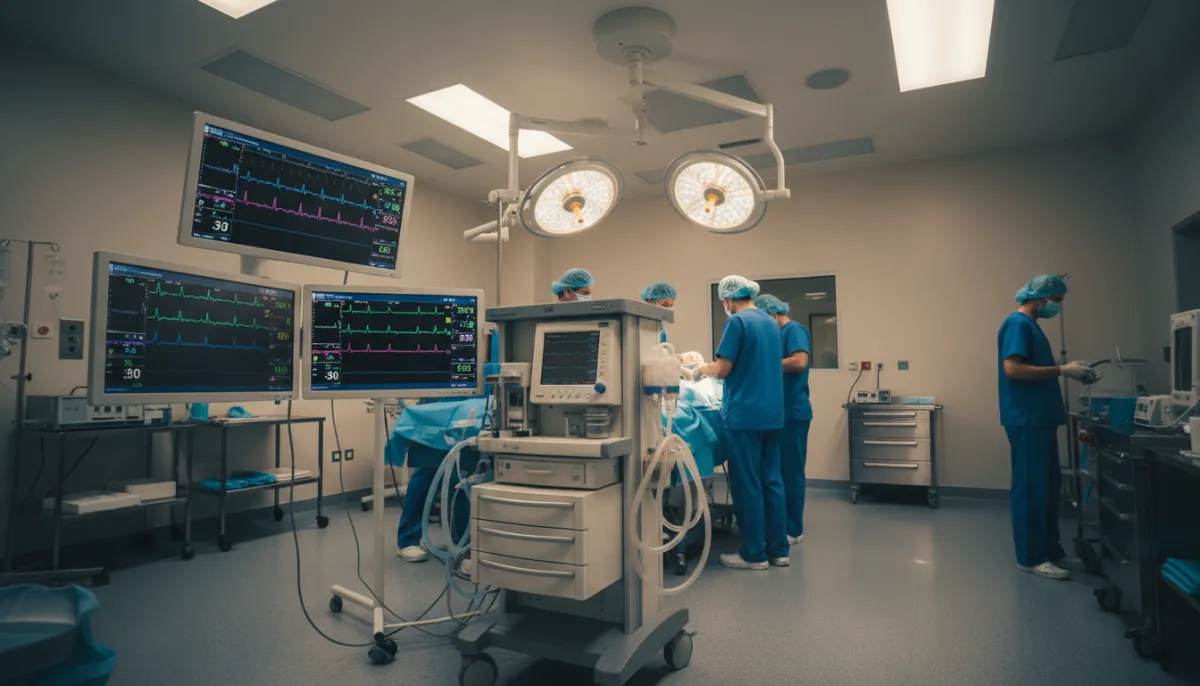
Common Side Effects of Anesthesia: What to Expect
Every medical intervention carries potential side effects, and anesthesia is no exception. The most frequently reported anesthesia side effects include nausea, sore throat, muscle aches, and temporary confusion. Most of these symptoms are mild and resolve within 24–48 hours.
Less common but noteworthy reactions involve allergic responses, respiratory complications, and cardiovascular changes. While rare, these risks underscore the importance of a thorough pre‑operative assessment to tailor anesthetic plans to individual health profiles.
Patients also ask whether anesthesia can cause constipation—a legitimate concern, especially after abdominal procedures. Certain anesthetic agents can slow gastrointestinal motility, leading to temporary constipation. This effect is generally managed with early mobilization, adequate hydration, and, if needed, prescribed stool softeners.
| Side Effect | Typical Duration | Management Strategies |
|---|---|---|
| Nausea & Vomiting | 1–2 days | Anti‑emetics, hydration |
| Sore Throat | 1–3 days | Warm fluids, throat lozenges |
| Muscle Aches | 2–4 days | Pain relievers, gentle stretching |
| Constipation | 2–5 days | Fiber intake, mobility, stool softeners |
Regarding hair health, the key takeaway is that most anesthetic agents do not directly damage hair follicles. Instead, the stress of surgery—combined with potential postoperative nutritional deficiencies—creates an environment where hair shedding may occur.
Hair Loss After Surgery: Causes Beyond Anesthesia
When patients notice hair falling out after a procedure, they often wonder if the anesthetic is to blame. In reality, several factors contribute to post‑surgical hair loss, and most are unrelated to the anesthetic itself.
First, the physiological stress of surgery triggers a cascade of hormonal changes. Elevated cortisol levels can push hair follicles into the telogen phase, resulting in telogen effluvium. This type of hair loss typically appears 2–3 months after the operation and is self‑limiting.
Second, nutritional deficiencies during recovery—especially reduced protein intake—can weaken hair structure. Post‑operative patients may have altered appetites or dietary restrictions, which can inadvertently affect hair growth cycles.
Third, certain medications administered peri‑operatively, such as high‑dose steroids or some antibiotics, have been associated with temporary hair shedding.
- Stress‑induced telogen effluvium (most common)
- Nutritional deficiencies (protein, iron, zinc)
- Medication side effects (steroids, antibiotics)
- Physical trauma to the scalp (rare in non‑head surgeries)
Understanding these triggers helps patients set realistic expectations and implement preventive measures. While hair loss after surgery can be unsettling, it is usually reversible once the body returns to homeostasis.
Managing Hair Health Before and After an Operation
Proactive care can significantly reduce the likelihood of noticeable hair loss surrounding a surgical event. Here are practical steps to protect your hair:
Pre‑operative Nutrition
Maintain a balanced diet rich in protein, iron, zinc, and biotin. These nutrients support keratin production and promote healthy hair growth. Consider a short‑term supplement regimen after consulting your physician.
Stress Reduction Techniques
Engage in relaxation practices such as deep breathing, meditation, or gentle yoga in the weeks leading up to surgery. Lowering stress levels can moderate cortisol spikes, which are linked to telogen effluvium.
Gentle Hair Care
During the recovery period, avoid harsh styling, heat tools, and tight hairstyles. Opt for mild shampoos and conditioners, and handle hair gently when washing.
Medical Support
If you notice significant shedding, discuss it with your healthcare provider. In some cases, a dermatologist may recommend topical minoxidil or other therapies to accelerate regrowth.
| Action | Why It Helps | When to Implement |
|---|---|---|
| Protein‑rich meals | Supports hair follicle structure | 2–4 weeks pre‑op |
| Stress‑relief practices | Reduces cortisol‑induced shedding | Ongoing |
| Gentle hair handling | Prevents mechanical damage | Post‑op recovery |
| Dermatology consultation | Targets persistent hair loss | If shedding exceeds 3 months |
By integrating these strategies, you can minimize temporary hair loss and support a smoother return to normal hair growth cycles.
When to Seek Professional Help for Post‑Operative Hair Loss
Most cases of hair shedding after surgery resolve on their own within several months. However, certain signs indicate the need for professional evaluation:
- Hair loss persisting beyond six months.
- Patchy or localized bald spots.
- Accompanying scalp symptoms such as itching, redness, or pain.
- Rapid, extensive shedding affecting more than 30% of scalp hair.
If any of these symptoms arise, consult a dermatologist or a hair restoration specialist. Early intervention can identify underlying conditions—such as alopecia areata or nutritional deficiencies—and allow for targeted treatment.
Gold City Medical Center offers comprehensive assessments, including scalp analysis and personalized treatment plans, to address both cosmetic and medical concerns related to hair health.
Why Choose Gold City Medical Center
Gold City Medical Center combines integrative medicine with cutting‑edge cosmetic expertise. Our multidisciplinary team includes experienced anesthesiologists, dermatologists, and hair restoration specialists who collaborate to ensure safe procedures and optimal post‑operative outcomes. We prioritize patient education, personalized care, and evidence‑based treatments, making us a trusted partner for those seeking both medical and aesthetic solutions.
Ready to protect your hair while undergoing surgery? Contact Gold City Medical Center today to schedule a pre‑operative consultation and learn how our integrated approach can keep you looking and feeling your best.
Call us or fill out the online form—our experts are here to guide you every step of the way.
FAQ
Does anesthesia cause hair loss?
Anesthesia itself rarely damages hair follicles; hair loss is usually due to surgical stress.
What is telogen effluvium and how is it related to surgery?
Telogen effluvium is a stress‑related hair shedding that can follow surgery.
Which anesthesia side effects are most common?
Common side effects include nausea, sore throat, muscle aches, and temporary confusion.
How can I prevent hair loss before surgery?
Maintain good nutrition, reduce stress, and use gentle hair care practices before the operation.
When should I see a doctor for post‑operative hair shedding?
Seek medical advice if shedding persists beyond six months, is patchy, or accompanied by scalp symptoms.
Can medications given during surgery cause hair loss?
Some peri‑operative drugs, like high‑dose steroids or certain antibiotics, may contribute to temporary hair shedding.





