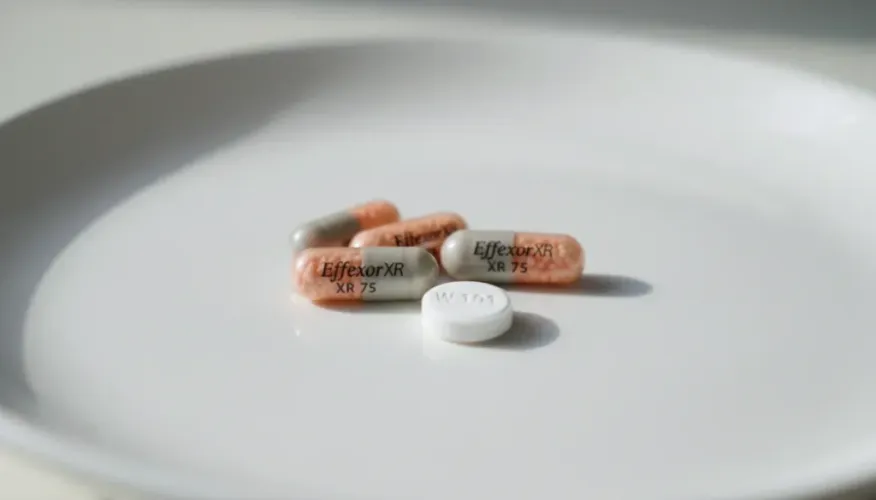
Many patients wonder: does effexor cause hair loss. This common question reflects concerns about both mental health treatment and personal appearance. Effexor, known generically as venlafaxine, is a widely prescribed antidepressant that belongs to the serotonin‑norepinephrine reuptake inhibitor (SNRI) class. While it can be highly effective for depression and anxiety, some users report changes to their hair. In this article we explore the mechanisms behind the medication, examine scientific evidence, and provide practical strategies for anyone experiencing thinning strands while on Effexor.
Understanding the link between medication and hair health is crucial because hair loss can affect confidence and overall well‑being. Studies suggest that up to 5 % of patients on SNRIs notice some degree of hair shedding, although the exact cause remains debated. By the end of this guide you will know what to expect, how to differentiate drug‑related loss from other factors, and when to seek professional advice.
We will cover how Effexor works, review the research on hair loss as a side effect, discuss management options, and outline alternatives if the issue becomes problematic. Let’s dive into the science and practical steps to keep both your mood and your mane in good shape.
How Effexor (Venlafaxine) Works and Its Common Side Effects
Effexor is an SNRI that increases the levels of serotonin and norepinephrine in the brain, neurotransmitters that help regulate mood, anxiety, and pain perception. By blocking their reuptake, the medication can alleviate depressive symptoms within a few weeks of consistent use. However, like all antidepressants, it comes with a profile of potential side effects.
Typical side effects reported in clinical trials include nausea, dizziness, dry mouth, and insomnia. Less common but noteworthy reactions involve sexual dysfunction, weight changes, and, in some cases, dermatological issues such as rash or itching. Below is a concise list of the most frequently observed adverse events:
- Nausea and gastrointestinal upset
- Headache and dizziness
- Sleep disturbances (insomnia or somnolence)
- Increased blood pressure at higher doses
- Sexual dysfunction (decreased libido, delayed orgasm)
- Dry mouth and sweating
While hair loss is not listed as a primary side effect in the official prescribing information, patient anecdotes and some observational studies have raised the question of whether does effexor cause hair loss is a legitimate concern. The next sections examine the evidence more closely.
Hair Loss as a Potential Side Effect: What the Research Shows
Scientific literature on the relationship between venlafaxine and hair loss is limited, but several case reports and post‑marketing surveys provide insight. A 2019 review of antidepressant‑related alopecia noted that SNRIs, including Effexor, were implicated in less than 2 % of reported hair‑loss cases. The authors suggested that the mechanism might involve telogen effluvium, a temporary shedding phase triggered by physiological stress.
Telogen effluvium occurs when a larger-than‑normal number of hair follicles enter the resting (telogen) phase simultaneously, leading to diffuse thinning a few months after the inciting event. Medications, hormonal changes, severe illness, or significant emotional stress can all act as triggers. In the context of Effexor, the medication’s impact on neurotransmitter balance could indirectly influence the hair growth cycle.
| Study / Source | Sample Size | Reported Hair‑Loss Incidence | Notes |
|---|---|---|---|
| Pharmacovigilance Database (2018) | 12,000 Effexor users | 0.8 % | Mostly telogen effluvium; resolved after discontinuation. |
| Case Series, Journal of Dermatology (2020) | 7 patients | 100 % | Onset 2‑4 months after starting 75 mg/day; improved with dose reduction. |
| Meta‑analysis of SNRI side effects (2021) | Multiple trials, >30,000 participants | Not specifically reported | Hair loss mentioned as a rare adverse event. |
These findings indicate that while hair loss is not a predominant side effect, it can occur in susceptible individuals. Importantly, the incidence appears lower than that of other antidepressants such as tricyclics, which have a higher association with alopecia. If you are questioning does effexor cause hair loss, consider the timing of symptom onset, dosage changes, and concurrent stressors.
Managing Hair Loss While Taking Effexor
If you suspect that your antidepressant is contributing to thinning hair, there are several steps you can take before deciding to stop the medication. First, confirm the correlation by tracking the timeline of hair shedding relative to dosage adjustments or the start of treatment. A dermatologist or trichologist can perform a pull test and scalp examination to rule out other causes such as fungal infection or hormonal imbalance.
Here are practical strategies to mitigate hair loss while continuing Effexor:
- Nutrition Support: Ensure adequate intake of iron, zinc, biotin, and protein, all essential for healthy hair growth.
- Stress Management: Incorporate mindfulness, yoga, or gentle exercise to reduce overall physiological stress, which can exacerbate telogen effluvium.
- Topical Treatments: Minoxidil 2 % or 5 % solutions can promote follicular activity and are safe to use alongside most antidepressants.
- Gentle Hair Care: Avoid tight hairstyles, harsh chemicals, and excessive heat styling that may further weaken hair shafts.
- Medication Review: Discuss with your prescribing physician the possibility of dose reduction, switching to an extended‑release formulation (Effexor XR), or trying an alternative antidepressant with a lower alopecia risk.
In many cases, hair loss resolves spontaneously after the body adapts to the medication, typically within 3–6 months. Patience, combined with supportive care, often yields the best outcome.
Alternatives and When to Talk to Your Doctor
Deciding whether to stay on Effexor or switch to another antidepressant should involve a thorough discussion with your healthcare provider. Factors to consider include the severity of depressive symptoms, previous treatment response, and the impact of hair loss on your quality of life.
Common alternatives to venlafaxine that have a lower reported incidence of alopecia include selective serotonin reuptake inhibitors (SSRIs) such as sertraline or escitalopram, and newer agents like bupropion. Each class carries its own side‑effect profile, so a personalized approach is essential.
Key moments to contact your doctor:
- Hair shedding persists beyond 12 weeks after initiating Effexor.
- You experience additional side effects such as increased blood pressure or severe nausea.
- Psychiatric symptoms worsen after dose adjustments.
- You have a personal or family history of alopecia.
When a change is warranted, your physician may recommend a gradual taper to avoid discontinuation syndrome, followed by a trial of an alternative medication. In some cases, combining a lower dose of Effexor with adjunctive therapies (e.g., psychotherapy, omega‑3 supplementation) can maintain mood stability while reducing side‑effect burden.
Frequently Overlooked Factors: Stress, Nutrition, and Other Medications
Hair health is influenced by a complex interplay of factors beyond any single drug. Chronic stress, common among individuals coping with depression, can independently trigger telogen effluvium. Additionally, certain supplements and over‑the‑counter medications (e.g., high‑dose vitamin A, anabolic steroids) may exacerbate shedding.
Consider conducting a comprehensive review of your lifestyle:
| Factor | Potential Impact on Hair | Management Tips |
|---|---|---|
| Psychological Stress | Triggers telogen effluvium | Mindfulness, therapy, regular exercise |
| Dietary Deficiencies | Weakens hair shaft | Balanced diet rich in iron, zinc, protein |
| Concurrent Medications | May have additive alopecia risk | Medication review with pharmacist or doctor |
| Hormonal Changes | Can cause diffuse thinning | Endocrine evaluation if symptoms persist |
Addressing these variables often reduces hair loss more effectively than focusing on the antidepressant alone. If you maintain a healthy lifestyle while monitoring your response to Effexor, you increase the likelihood of both mental‑health improvement and hair‑growth preservation.
Why Choose Gold City Medical Center for Hair Health Solutions
Gold City Medical Center combines integrative medicine with cutting‑edge cosmetic expertise. Our multidisciplinary team includes psychiatrists, dermatologists, and hair‑restoration specialists who collaborate to tailor treatments that address both mood and hair concerns. Whether you need medication management, scalp analysis, or advanced hair‑transplant procedures, we provide evidence‑based care in a supportive environment. Trust our experience to help you achieve balanced well‑being without compromising your appearance.
Ready to discuss your treatment options and protect your hair? Contact Gold City Medical Center today to schedule a personalized consultation. Experience comprehensive care that supports both your mental health and your confidence.
FAQ
Can Effexor cause hair loss?
Effexor (venlafaxine) is not a common cause of hair loss, but some users report it as a rare side effect.
What is telogen effluvium and how is it related to Effexor?
Telogen effluvium is a temporary shedding phase of hair that can be triggered by stressors, including certain medications like Effexor.
How common is hair loss among Effexor users?
Hair loss is reported in less than 2 % of Effexor users according to pharmacovigilance data.
What can I do to prevent hair loss while taking Effexor?
Maintain good nutrition, manage stress, use gentle hair care, and consider topical treatments like minoxidil.
When should I talk to my doctor about hair loss on Effexor?
If shedding persists beyond 12 weeks, worsens, or is accompanied by other side effects, consult your physician.
Are there alternative antidepressants with a lower risk of hair loss?
SSRIs like sertraline or escitalopram and agents such as bupropion are reported to have lower alopecia rates.

