Recognizing the early signs of thinning hair can make the difference between a manageable condition and significant hair loss. Many people notice subtle changes long before a noticeable bald spot appears, and early detection allows for timely intervention. In fact, studies show that up to 40% of individuals experience measurable hair thinning before the age of 30, yet they often overlook these cues.
This article explains what to look for, why these changes happen, and which steps you can take to protect your hair. We’ll explore the biological processes behind hair thinning, the most common triggers, and the range of medical and lifestyle solutions available at Gold City Medical Center.
Whether you’re noticing a slightly wider part, a gentle shedding pattern, or a receding hairline, understanding these signals empowers you to act confidently and preserve your natural look.
Recognizing the First Indicators of Hair Thinning
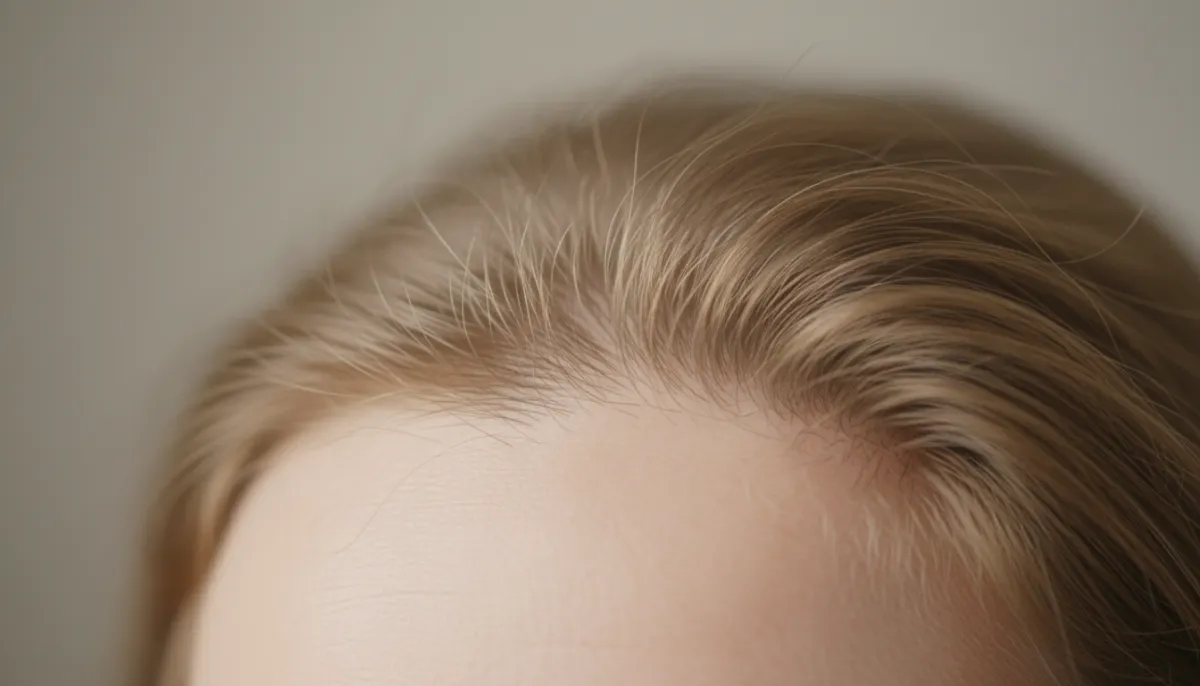
Spotting the early signs of thinning hair involves paying attention to subtle visual and tactile clues. The scalp may appear more visible in certain areas, and you might notice an increase in daily hair loss during washing or brushing.
- Widening part line – the space between strands becomes noticeably larger.
- Increased shedding – more than 100 hairs per day, especially after styling.
- Reduced hair density – a thinner look on the crown or temples.
- Changes in texture – hair feels finer or less resilient.
These signs often precede more dramatic patterns such as a receding hairline or a bald spot. Early detection is especially important for conditions like androgenetic alopecia (male or female pattern baldness) and telogen effluvium, where timely treatment can halt progression.
Common Causes Behind Early Hair Thinning
Understanding why hair begins to thin helps you target the right solution. Several factors can trigger the early signs of thinning hair, ranging from genetics to lifestyle choices.
| Cause | Typical Impact | Key Indicator |
|---|---|---|
| Genetic predisposition (androgenetic alopecia) | Gradual thinning, often at temples and crown | Family history of baldness |
| Hormonal changes (e.g., menopause, thyroid imbalance) | Diffuse thinning across scalp | Sudden increase in shedding |
| Stress‑related telogen effluvium | Temporary shedding after a stressful event | Hair loss spikes 2–3 months post‑stress |
| Traction alopecia | Hair loss along hairline from tight hairstyles | Visible recession at temples |
| Nutritional deficiencies (iron, vitamin D) | Overall thinning, brittle hair | Hair feels fragile, breaks easily |
Other contributors include certain medications, scalp infections, and autoimmune conditions such as alopecia areata. Recognizing the underlying cause is essential for selecting an effective treatment plan.
When to Seek Professional Evaluation
While occasional shedding is normal, certain patterns warrant a visit to a specialist. If you notice any of the following, it’s time to schedule a consultation:
- Rapid increase in daily hair loss (over 150 hairs per day).
- Visible bald patches or a pronounced receding hairline.
- Accompanying scalp symptoms such as itching, redness, or scaling.
- Hair loss that does not improve after addressing obvious triggers.
At Gold City Medical Center, our dermatology and hair‑restoration team conducts a comprehensive assessment that may include a scalp examination, blood work to check hormonal and nutritional status, and, when appropriate, a trichoscopic analysis. Early professional intervention can differentiate between reversible conditions like telogen effluvium and progressive patterns such as androgenic alopecia.
Effective Prevention and Treatment Options
Once the cause is identified, a range of interventions can address the early signs of thinning hair. Treatment plans are often multimodal, combining medical, procedural, and lifestyle components.
Medical Therapies
- Minoxidil – topical solution that prolongs the growth phase of hair follicles.
- Finasteride (for men) – oral medication that reduces DHT levels, a key factor in androgenetic alopecia.
- Platelet‑rich plasma (PRP) – injections that deliver growth factors to stimulate follicle activity.
Procedural Options
- Hair transplant surgery – relocating healthy follicles to thinning zones.
- Low‑level laser therapy – non‑invasive light treatment that may improve cellular metabolism.
Topical and Nutritional Support
- Biotin, iron, and vitamin D supplements for deficiency‑related thinning.
- Gentle, sulfate‑free shampoos that reduce scalp irritation.
| Treatment | Typical Use | Result Timeline |
|---|---|---|
| Minoxidil 5% | Both men and women with early thinning | 3–6 months for visible improvement |
| Finasteride 1 mg | Men with androgenetic alopecia | 6–12 months for noticeable density |
| PRP Therapy | Patients with diffuse thinning or early balding | 2–4 sessions over 6 months |
| Hair Transplant | Advanced thinning or bald spots | 6–12 months for full graft survival |
Combining these approaches often yields the best outcomes. For example, a patient may start with minoxidil while preparing for a future transplant, ensuring the scalp environment remains optimal.
Lifestyle Adjustments to Support Hair Health
Beyond clinical treatments, everyday habits play a crucial role in maintaining hair density. Simple changes can reinforce the results of medical interventions and may even prevent further thinning.
- Stress management – regular meditation, exercise, or counseling to lower cortisol levels.
- Balanced diet – emphasis on protein, omega‑3 fatty acids, and micronutrients like zinc and selenium.
- Avoid harsh styling – limit tight ponytails, heat tools, and chemical treatments that cause traction alopecia.
- Gentle hair care – use a wide‑tooth comb, avoid vigorous towel drying, and select mild shampoos.
Consistent sleep patterns and adequate hydration also contribute to overall follicle health. By integrating these practices, you create a supportive environment for any therapeutic regimen you may pursue.
Why Choose Gold City Medical Center
Gold City Medical Center combines cutting‑edge technology with a holistic approach to hair health. Our team of board‑certified dermatologists and hair‑restoration specialists tailors each treatment plan to the individual’s unique condition, whether it’s early thinning, androgenic alopecia, or traction‑related loss. With a reputation for precision and patient‑centered care, we offer state‑of‑the‑art facilities, including PRP labs and advanced transplant suites, ensuring you receive the highest standard of care in a comfortable environment.
Ready to address the early signs of thinning hair before they become a bigger concern? Contact Gold City Medical Center today to schedule a personalized consultation and take the first step toward fuller, healthier hair.
Call us or fill out our online form—our experts are waiting to help you restore confidence.
FAQ
What are the early signs of thinning hair?
Early signs include a widening part line, increased daily shedding, reduced hair density, and changes in hair texture.
How can I tell if my hair shedding is normal or a sign of thinning?
Normal shedding is up to 100 hairs per day; consistently exceeding this amount may signal thinning.
What are the most common causes of early hair thinning?
Genetics, hormonal changes, stress‑related telogen effluvium, traction alopecia, and nutritional deficiencies are the main causes.
When should I see a dermatologist for hair loss?
If you experience rapid shedding, visible bald patches, scalp irritation, or no improvement after addressing obvious triggers.
What treatment options are effective for early hair thinning?
Topical minoxidil, oral finasteride, PRP injections, low‑level laser therapy, and lifestyle adjustments are commonly used.
Can lifestyle changes help prevent hair thinning?
Yes, managing stress, eating a balanced diet, avoiding harsh styling, and maintaining good scalp hygiene support hair health.





