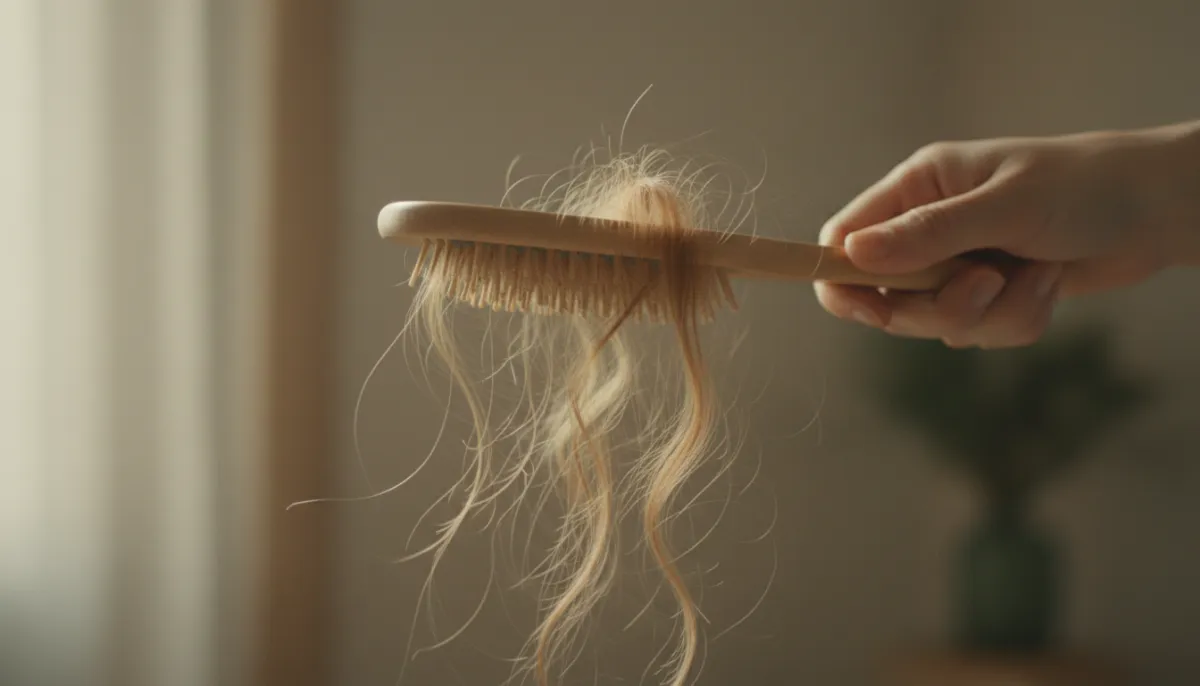
Many people wonder, my hair sheds a lot, and they are not alone. Experiencing daily strands on the pillow, in the shower, or on the brush can be unsettling, especially when it feels out of the ordinary. This article explains the most common reasons behind heavy shedding, how to pinpoint the exact cause, and which evidence‑based solutions can help you regain confidence in your hair.
According to dermatology research, the average person loses 50‑100 hairs per day as part of the natural growth cycle. When the number rises dramatically, it may signal an underlying condition that merits attention. Whether the trigger is hormonal, nutritional, or stress‑related, identifying the root cause is the first step toward effective treatment.
We will explore the science behind hair loss, walk through diagnostic tools, and outline practical lifestyle changes as well as medical interventions available at Gold City Medical Center. By the end of this guide, you will have a clear roadmap to reduce shedding and promote stronger, fuller hair.
Common Causes of Excessive Hair Shedding
Understanding why my hair sheds a lot starts with recognizing the various factors that can disrupt the hair growth cycle. Below are the most frequent culprits:
- Telogen effluvium: A temporary shift where more hairs enter the resting (telogen) phase, often triggered by stress, illness, or major surgery.
- Androgenetic alopecia: Also known as male or female pattern baldness, driven by genetics and hormonal changes.
- Hormonal fluctuations: Pregnancy, menopause, thyroid disorders, and contraceptive use can all affect shedding.
- Nutritional deficiencies: Lack of iron, zinc, biotin, or protein undermines hair strength.
- Scalp conditions: Psoriasis, seborrheic dermatitis, and fungal infections weaken follicles.
- Medications: Certain antidepressants, blood thinners, and chemotherapy agents list hair loss as a side effect.
- Traction alopecia: Tight hairstyles pull on the roots, causing chronic shedding.
In many cases, more than one factor is at play, creating a compounded effect. For instance, a person experiencing high stress while also having a mild iron deficiency may notice a sudden spike in daily hair loss.
Below is a quick reference table that matches common symptoms with likely causes, helping you decide if a professional evaluation is warranted.
| Symptom | Likely Cause | Typical Onset |
|---|---|---|
| Diffuse thinning across the scalp | Telogen effluvium | 2‑4 months after stressor |
| Receding hairline, thinning crown | Androgenetic alopecia | Gradual, years |
| Patchy bald spots | Alopecia areata | Sudden, weeks |
| Itchy, flaky scalp | Seborrheic dermatitis | Variable |
| Hair loss after a new medication | Drug‑induced shedding | Weeks to months |
How to Diagnose the Underlying Issue
When you notice that my hair sheds a lot persists beyond the usual 50‑100 hairs per day, a systematic diagnostic approach can reveal the root cause. Dermatologists and trichologists use a combination of visual assessment, medical history, and specialized tests.
Clinical Examination
The first step is a thorough scalp examination. Professionals look for patterns such as diffuse thinning, recession at the temples, or distinct bald patches. They also assess scalp health, checking for redness, scaling, or signs of infection.
Pull Test
During a pull test, the clinician gently tugs a small section of hair (about 40‑60 strands). If more than 10% of the pulled hairs come out, it indicates active shedding, often seen in telogen effluvium or active alopecia areata.
Blood Work
Blood tests can uncover hormonal imbalances (thyroid, androgen levels), iron deficiency, or other metabolic issues. Typical panels include:
- Complete blood count (CBC)
- Ferritin and serum iron
- Thyroid‑stimulating hormone (TSH)
- Vitamin D and B12 levels
Scalp Biopsy and Trichoscopy
In ambiguous cases, a scalp biopsy may be performed to examine follicle structure under a microscope. Trichoscopy, a dermatoscopic examination of the scalp, provides high‑resolution images that help differentiate between scarring and non‑scarring alopecia.
By combining these tools, clinicians can accurately answer the question “why does my hair shed a lot?” and tailor a treatment plan that addresses the specific pathology rather than applying generic solutions.
Lifestyle and Home Remedies to Reduce Shedding
While medical evaluation is essential for persistent loss, many everyday habits can either exacerbate or alleviate the problem of my hair sheds a lot. Simple adjustments often produce noticeable improvements within weeks.
Nutrition and Supplements
Hair is primarily made of keratin, a protein that requires adequate amino acids, iron, zinc, and biotin. Incorporate the following foods into your diet:
- Lean meats, fish, and eggs for high‑quality protein.
- Leafy greens (spinach, kale) for iron and folate.
- Nuts and seeds for zinc and omega‑3 fatty acids.
- Legumes and whole grains for B‑vitamins.
Consider a daily supplement containing biotin (5,000 µg), zinc (15 mg), and vitamin D if dietary intake is insufficient. Always discuss supplementation with a healthcare provider to avoid excess intake.
Stress Management
Psychological stress is a well‑documented trigger for telogen effluvium. Techniques such as mindfulness meditation, yoga, or regular aerobic exercise can lower cortisol levels, reducing the likelihood of sudden shedding.
Gentle Hair Care Practices
Adopt the following routine to minimize mechanical damage:
- Use a wide‑tooth comb on wet hair, starting at the ends and working upward.
- Avoid heat styling tools (straighteners, curling irons) more than twice a week.
- Choose sulfate‑free shampoos and conditioners that contain mild surfactants.
- Limit tight hairstyles—braids, ponytails, or buns—to reduce traction alopecia.
Scalp Stimulation
Regular scalp massage with gentle pressure improves blood flow, delivering nutrients to follicles. Applying a few drops of rosemary or peppermint essential oil diluted in a carrier oil can further stimulate growth, though scientific evidence is modest.
Implementing these lifestyle strategies creates a supportive environment for hair regeneration and can curb the frequency of shedding episodes.
Medical Treatments and When to Seek Professional Help
If home measures fail and you still wonder, “why does my hair shed a lot?” it may be time to explore clinical interventions. Gold City Medical Center offers a range of evidence‑based options tailored to the specific diagnosis.
Topical Therapies
- Minoxidil (2% or 5%): The only FDA‑approved over‑the‑counter medication shown to prolong the anagen phase and increase follicular size.
- Corticosteroid creams or injections: Effective for alopecia areata, they reduce local inflammation and halt autoimmune attack on follicles.
Oral Medications
- Finasteride (for men): Inhibits the conversion of testosterone to dihydrotestosterone (DHT), a key driver of androgenetic alopecia.
- Spironolactone (for women): Acts as an anti‑androgen, useful in female pattern hair loss.
- Iron supplementation: Prescribed when ferritin levels are low, often reversing telogen effluvium.
Procedural Options
For permanent restoration, hair transplantation techniques such as Follicular Unit Extraction (FUE) can relocate healthy follicles to balding areas. Platelet‑rich plasma (PRP) therapy, performed in‑office, delivers concentrated growth factors to stimulate dormant follicles.
When to Schedule a Consultation
Consider booking an appointment if you experience any of the following:
- Shedding more than 100 hairs per day for over two months.
- Visible thinning or bald patches.
- Associated symptoms like itching, redness, or scalp pain.
- Rapid hair loss after a major surgery, illness, or medication change.
At Gold City Medical Center, our integrative approach combines diagnostic precision with personalized treatment plans, ensuring you receive the most appropriate care for your unique situation.
Preventive Strategies for Long‑Term Hair Health
Maintaining healthy hair is a lifelong commitment. Even after addressing the immediate concern of my hair sheds a lot, adopting preventive habits can safeguard against future episodes.
Regular Monitoring
Schedule annual scalp examinations, especially if you have a family history of androgenetic alopecia or autoimmune conditions. Early detection allows for quicker intervention.
Seasonal Care Adjustments
Cold, dry winter air can increase scalp dryness, while humid summer conditions may promote fungal growth. Adjust your shampoo routine and moisturize the scalp accordingly.
Safe Use of Cosmetic Products
Choose hair care products free from harsh chemicals such as sulfates, parabens, and silicone. Opt for formulations containing natural extracts like argan oil, aloe vera, or tea tree oil, which are less likely to irritate the scalp.
Balanced Hormonal Health
Women should monitor menstrual cycles and discuss any irregularities with a gynecologist, as hormonal swings can contribute to shedding. Men may benefit from routine prostate and hormone panels after age 40.
By integrating these preventive measures into your daily routine, you can reduce the risk of future excessive shedding and support the continuous growth of strong, resilient hair.
Why Choose Gold City Medical Center
Gold City Medical Center combines cutting‑edge medical expertise with a holistic approach to hair health. Our team of certified dermatologists, trichologists, and hair‑restoration surgeons offers personalized assessments, state‑of‑the‑art diagnostics, and a full spectrum of treatments—from topical solutions to advanced hair transplantation. We prioritize patient comfort, evidence‑based care, and long‑term results, making us a trusted partner for anyone concerned about shedding or hair loss.
Ready to take control of your hair health? Contact Gold City Medical Center today to schedule a comprehensive scalp evaluation and discover a customized plan that restores confidence and vitality.
FAQ
What are the most common causes of excessive hair shedding?
The main causes include telogen effluvium, androgenetic alopecia, hormonal changes, nutritional deficiencies, scalp conditions, certain medications, and traction alopecia.
How is telogen effluvium diagnosed?
Diagnosis involves a clinical exam, pull test, and sometimes blood work to rule out other causes.
What lifestyle changes can reduce hair shedding?
Improving nutrition, managing stress, using gentle hair care, and stimulating the scalp can all help.
When should I seek professional help for hair shedding?
If you lose more than 100 hairs per day for over two months, notice thinning patches, or have scalp symptoms, see a dermatologist.
What medical treatments are available for severe hair loss?
Topical minoxidil, corticosteroid injections, oral finasteride or spironolactone, iron supplementation, PRP therapy, and hair transplantation are common options.
How can I prevent future episodes of excessive shedding?
Regular scalp check‑ups, seasonal hair‑care adjustments, and maintaining a healthy lifestyle help keep shedding under control.





