The hair follicle bulb is the tiny, rounded base of each hair strand where new cells are generated, making it essential for healthy hair growth. Understanding this structure helps explain why hair loss occurs and what can be done to restore vitality. Each day, the average human scalp sheds about 50 to 100 hairs, a natural part of the growth cycle that begins in the bulb.
In this article we will explore the anatomy of the bulb, its function within the hair growth cycle, common problems that affect it, and the latest treatment options available at Gold City Medical Center. Whether you are noticing increased shedding, thinning, or simply want to maintain a full head of hair, the insights shared here will guide you toward informed decisions.
By the end of the reading, you will know how the bulb interacts with surrounding structures, why its health matters, and how integrative medical approaches can support optimal results.
Anatomy of the Hair Follicle Bulb

The hair follicle bulb sits at the deepest part of the follicle, anchored in the dermis. Its primary components include the dermal papilla, matrix cells, and the surrounding sheath. The dermal papilla is a cluster of specialized fibroblasts that supply nutrients and signaling molecules to the matrix, which in turn proliferates to form the hair shaft.
Key structures:
- Dermal Papilla: Provides blood supply and growth signals.
- Matrix Cells: Stem‑like cells that divide rapidly to create new hair fibers.
- Inner Root Sheath: Guides the emerging hair shaft.
- Outer Root Sheath: Connects the follicle to the epidermis.
These elements work together to produce the hair shaft, which emerges from the scalp as the visible strand. The hair bulb is also the site where melanin is deposited, giving hair its color.
How the Hair Follicle Bulb Drives the Growth Cycle
The hair growth cycle is divided into three main phases: anagen (growth), catagen (transition), and telogen (rest). The hair follicle bulb is most active during the anagen phase, when matrix cells multiply rapidly to lengthen the hair shaft.
During catagen, the lower part of the follicle regresses, and the bulb shrinks. In telogen, the bulb remains dormant until a new anagen phase is triggered, at which point the cycle restarts.
| Phase | Duration | Bulb Activity |
|---|---|---|
| Anagen | 2–7 years | High cell proliferation; shaft elongation |
| Catagen | 2–3 weeks | Apoptosis begins; bulb shrinks |
| Telogen | 3–4 months | Bulb rests; shedding prepares for new growth |
Disruptions to the bulb’s signaling pathways can shorten the anagen phase, leading to thinner hair and increased shedding. Understanding this relationship is crucial for diagnosing conditions such as androgenetic alopecia and telogen effluvium.
Common Issues Involving the Hair Follicle Bulb
When the bulb’s health is compromised, several problems may arise, ranging from mild shedding to pronounced hair loss. Below are the most frequently reported concerns:
- Hair loss and hair thinning: Often linked to reduced anagen duration.
- Follicle miniaturization: Bulb shrinks, producing finer hairs.
- Hair shedding vs. hair loss: Normal telogen shedding versus pathological loss.
- Inflammatory conditions: Scalp psoriasis or dermatitis can damage the bulb.
Patients commonly ask, “Why are my hairs falling out?” The answer frequently involves the bulb’s inability to sustain robust growth signals, whether due to hormonal changes, nutritional deficits, or chronic stress.
Diagnosing the exact cause typically involves a scalp examination, trichoscopy, and sometimes a biopsy to assess bulb morphology and activity.
Treatment Options Targeting the Hair Follicle Bulb
Modern medicine offers several strategies that focus directly on revitalizing the hair follicle bulb. At Gold City Medical Center, we combine evidence‑based therapies with an integrative approach.
| Treatment | Targeted Bulb Action | Typical Outcome |
|---|---|---|
| Platelet‑Rich Plasma (PRP) | Delivers growth factors to the papilla | Improved density, longer anagen phase |
| Minoxidil (Topical) | Stimulates matrix cell proliferation | Reduced shedding, modest regrowth |
| Finasteride (Oral) | Blocks DHT, protecting the bulb | Slows miniaturization, restores thickness |
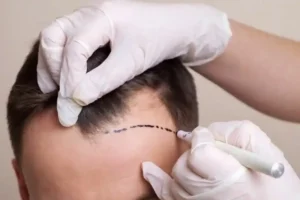
| Hair Transplant (FUE/FUT) | Implants healthy bulbs into thinning zones | Permanent, natural‑looking hair |
In addition to pharmaceuticals, nutritional supplementation (biotin, zinc, iron) supports the bulb’s metabolic needs. Low‑level laser therapy (LLLT) is another non‑invasive option that enhances blood flow to the dermal papilla.
Choosing the right combination depends on individual diagnosis, the extent of follicle loss, and personal preferences. Our specialists perform a comprehensive assessment to design a personalized plan.
Maintaining a Healthy Hair Follicle Bulb: Lifestyle Tips
Beyond clinical interventions, everyday habits play a pivotal role in preserving bulb vitality. Here are practical recommendations:
- Balanced diet rich in protein, omega‑3 fatty acids, and antioxidants.
- Regular scalp massage to increase blood flow to the dermal papilla.
- Avoid excessive heat styling and harsh chemical treatments.
- Manage stress through exercise, meditation, or counseling.
- Protect the scalp from UV damage with hats or SPF‑infused hair products.
Consistent care helps maintain a robust anagen phase, reduces premature shedding, and supports overall hair health. When combined with professional guidance, these lifestyle choices can extend the benefits of any medical treatment.
Why Choose Gold City Medical Center
Gold City Medical Center offers integrative healthcare that blends cutting‑edge hair restoration techniques with personalized medical care. Our team of certified specialists utilizes advanced diagnostics to pinpoint bulb‑related issues and creates tailored treatment plans that address the root cause. With a focus on safety, efficacy, and patient comfort, we deliver results that align with your aesthetic goals and overall well‑being.
Ready to revitalize your hair from the root up? Contact Gold City Medical Center today to schedule a comprehensive consultation and discover the best solution for your hair follicle bulb health.
FAQ
What is the hair follicle bulb and why is it important?
The hair follicle bulb is the rounded base of each hair strand where new cells are produced, driving hair growth.
How does the hair follicle bulb affect the hair growth cycle?
The bulb is most active during the anagen phase, driving cell proliferation and shaft elongation.
What common problems are associated with the hair follicle bulb?
Issues include hair thinning, miniaturization, excessive shedding, and inflammation that damage the bulb.
Which treatments target the hair follicle bulb effectively?
PRP, minoxidil, finasteride, hair transplant, supplements, and low‑level laser therapy all act on the bulb.
How can lifestyle changes support a healthy hair follicle bulb?
Balanced nutrition, scalp massage, stress management, and UV protection help maintain bulb vitality.