Every strand of hair begins its life within a hair follicle, a microscopic organ that plays a crucial role in both appearance and overall scalp health. This article delves into the anatomy, growth cycle, common disorders, and best practices for maintaining vibrant follicles, offering insights valuable for anyone considering medical or cosmetic hair solutions.
Did you know that the average human head contains approximately 100,000 hair follicles, each operating on its own growth timetable? This staggering number highlights why personalized care is essential for optimal results.
We will explore how follicles function, what can go wrong, and how Gold City Medical Center integrates scientific knowledge into its integrative treatments. Whether you’re dealing with folliculitis, planning a hair transplant, or simply seeking better scalp care, understanding the follicle’s biology empowers you to make informed choices.
The Anatomy of a Hair Follicle
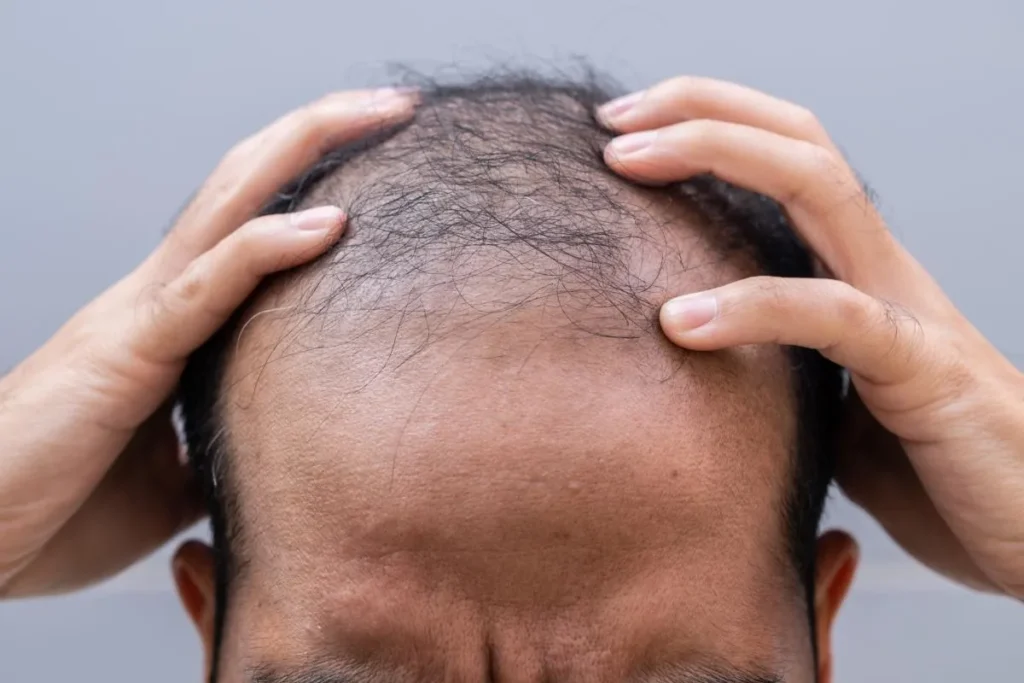
The hair follicle is a complex mini‑organ embedded in the dermis, composed of several distinct parts that work together to produce and sustain hair. Below are the key components:
- Hair Bulb: The rounded base where cells divide rapidly, supplying the growing shaft.
- Dermal Papilla: A cluster of specialized mesenchymal cells that nourish the bulb and regulate growth.
- Outer Root Sheath: Provides structural support and protects the inner layers.
- Inner Root Sheath: Guides the emerging hair shaft and contributes to its shape.
- Sebaceous Gland: Secretes oil to lubricate the hair and skin.
Understanding these parts helps explain why certain conditions, such as folliculitis (inflammation of the follicle), target specific zones.
| Component | Primary Function | Relevant Condition |
|---|---|---|
| Hair Bulb | Cell proliferation for hair shaft formation | Hair thinning |
| Dermal Papilla | Provides nutrients and growth signals | Scalp alopecia |
| Sebaceous Gland | Oil production for lubrication | Folliculitis, oily scalp |
Hair Follicle Growth Cycle: From Anagen to Telogen
The lifecycle of a follicle is divided into three main phases, each lasting a variable amount of time depending on genetics and health.
Anagen (Growth Phase)
During anagen, the follicle is actively producing keratinocytes, extending the hair shaft. This phase can last from 2 to 7 years, accounting for the majority of a person’s hair length.
Catagen (Transition Phase)
Catagen is a brief, 2‑3 week period where cell division ceases, and the follicle shrinks, preparing for rest.
Telogen (Resting Phase)
In telogen, the follicle remains dormant for about 3 months. At the end of this phase, the old hair is shed, and a new anagen cycle begins.
Disruptions in any phase can lead to visible issues such as increased shedding or slowed growth, often observed in conditions like pseudofolliculitis barbae or after certain medications.
| Phase | Duration | Typical Signs |
|---|---|---|
| Anagen | 2–7 years | Hair lengthening |
| Catagen | 2–3 weeks | Hair shaft thinning |
| Telogen | ≈3 months | Hair shedding |
Common Conditions Affecting Hair Follicles
Follicles can become compromised by infections, inflammation, or mechanical irritation. Below are the most frequently encountered disorders:
- Folliculitis: Bacterial infection causing red, pus‑filled pimples; often linked to hot tub exposure.
- Pseudofolliculitis Barbae: Ingrown hairs in the beard area, leading to painful bumps.
- Scalp Folliculitis: Similar to body folliculitis but affecting the scalp, sometimes mistaken for acne.
- Fungal Folliculitis: Yeast or dermatophyte infection, presenting as itchy, flaky spots.
- Infected Hair Bulb: Result of trauma or improper grooming, can develop into abscesses.
Symptoms typically include itching, redness, and sometimes pain. Early identification and targeted treatment—often involving topical antibiotics or antifungals—can prevent chronic issues.
| Condition | Cause | Typical Treatment |
|---|---|---|
| Folliculitis | Staphylococcus bacteria | Topical antibiotics |
| Pseudofolliculitis Barbae | Ingrown hairs | Laser hair removal, proper shaving |
| Fungal Folliculitis | Yeast infection | Antifungal creams |
Maintaining Healthy Follicles: Tips and Lifestyle Choices
Optimal follicle health is achievable through daily habits that support both the skin and the hair itself. Consider the following evidence‑based recommendations:
- Balanced Nutrition: Protein, biotin, zinc, and omega‑3 fatty acids nourish the dermal papilla.
- Gentle Cleansing: Use sulfate‑free shampoos to avoid stripping natural oils, which protect the sebaceous glands.
- Scalp Massage: Stimulates blood flow, delivering nutrients to the follicle.
- Avoid Excessive Heat: High temperatures can damage the outer root sheath and increase breakage.
- Stress Management: Chronic stress can shift follicles into telogen, leading to noticeable shedding.
Regularly monitoring your scalp for signs of irritation—such as itchy bumps on scalp—allows you to intervene early, preserving follicular vitality.
Hair Follicles in Medical and Cosmetic Treatments
When natural growth is insufficient, modern medicine offers targeted interventions that rely on a deep understanding of follicular biology.
Hair Transplantation
Gold City Medical Center employs FUE (Follicular Unit Extraction) and FUT (Follicular Unit Transplantation) techniques, meticulously extracting healthy hair follicles from a donor site and implanting them into balding areas. The success of these procedures hinges on preserving the dermal papilla and minimizing trauma to the grafts.
Scalp Microneedling
Microneedling creates micro‑channels that stimulate collagen production and improve nutrient delivery to the follicle, enhancing natural regrowth when combined with topical growth factors.
Platelet‑Rich Plasma (PRP) Therapy
PRP injects concentrated platelets into the scalp, releasing growth factors that activate dormant follicles and extend the anagen phase.
These integrative approaches, combined with personalized after‑care, maximize the potential of each follicle, delivering natural‑looking results.
Why Choose Gold City Medical Center
Gold City Medical Center blends cutting‑edge medical science with a holistic philosophy, offering comprehensive hair‑restoration solutions tailored to each individual. Our team of experienced dermatologists and hair‑transplant specialists utilizes state‑of‑the‑art technologies, such as FUE extraction and PRP therapy, while prioritizing patient comfort and long‑term scalp health. Trust a center that values both aesthetic outcomes and overall well‑being.
Ready to revitalize your hair and scalp? Contact Gold City Medical Center today to schedule a personalized consultation and discover the most effective treatments for your follicles.
Take the first step toward healthier hair—call or email us now.
FAQ
What are the main components of a hair follicle?
A hair follicle consists of the hair bulb, dermal papilla, outer and inner root sheaths, and the sebaceous gland.
How long does each phase of the hair growth cycle last?
Anagen lasts 2–7 years, catagen 2–3 weeks, and telogen about 3 months.
What causes folliculitis and how is it treated?
Folliculitis is a bacterial infection of the follicle, commonly treated with topical antibiotics.
What hair‑restoration options does Gold City Medical Center offer?
Gold City provides FUE and FUT hair transplants, PRP therapy, and scalp microneedling.
How do nutrition and lifestyle affect hair follicle health?
Balanced diet, gentle cleansing, scalp massage, heat avoidance, and stress management support healthy follicles.
Why is the dermal papilla important in hair transplantation?
The dermal papilla supplies nutrients and growth signals that determine graft survival after transplantation.





