The first hair transplant after one week is a pivotal moment in the restoration journey, offering early clues about how well the grafts are taking and how the scalp is healing. Understanding the typical signs, potential discomfort, and essential care steps can reduce anxiety and set realistic expectations. According to clinical observations, most patients notice reduced swelling and begin to see the transplanted area settle into a more natural appearance within seven days.
In this article we will walk through the day‑by‑day recovery timeline, explain what visual changes are normal, and share practical tips to protect your new grafts. Whether you are a first‑time recipient or have undergone previous procedures, the information below helps you navigate the crucial first week with confidence.
We also address common concerns such as crust formation, mild itching, and the early signs that indicate a healthy graft uptake. By the end of the guide, you will know exactly how to support your scalp, when to contact a specialist, and what milestones to look for as you move toward fuller, natural‑looking hair.
Immediate Post‑Procedure Care (Days 1‑3)
The initial 72 hours set the foundation for graft survival. Your surgeon will likely have applied a protective dressing and instructed you to keep the scalp clean without disturbing the grafts. During this period, the primary goals are to minimize swelling, prevent infection, and maintain a stable environment for the transplanted follicles.
- Keep the head elevated while sleeping to reduce fluid accumulation.
- Avoid touching or rubbing the transplanted area; even gentle pressure can dislodge grafts.
- Use the prescribed gentle shampoo only after the first 24‑48 hours, applying it with a light stream of lukewarm water.
- Take any antibiotics or anti‑inflammatory medications exactly as directed.
Typical visual cues during days 1‑3 include small scabs covering each graft, a faint pinkish hue of the surrounding skin, and mild redness. These signs are normal and usually subside by the end of the third day.
| Day | Key Action | Expected Observation |
|---|---|---|
| Day 1 | Leave dressing intact; keep head elevated | Swelling, mild redness, protective crusts |
| Day 2 | Gentle shampoo if advised; avoid direct friction | Scabs begin to soften, still noticeable |
| Day 3 | Begin light moisturising spray (if prescribed) | Reduced swelling, scabs more stable |
Healing Process and Scalp Appearance (Days 4‑7)
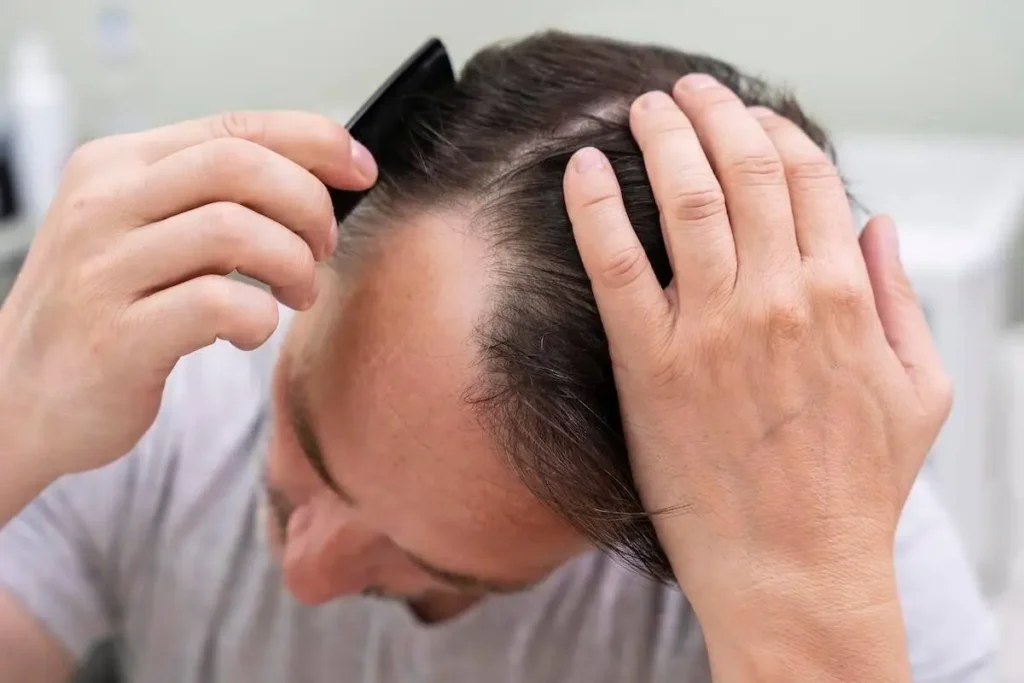
From day four onward, the scalp enters the “early healing” phase. The majority of scabs start to detach naturally, and the underlying grafts become more secure. This stage is critical for the hair transplant recovery timeline, as premature disturbance can still jeopardize graft survival.
Most patients notice the following changes between days four and seven:
- Scabs fall off spontaneously, often leaving tiny white flakes that resemble dandruff.
- Itching becomes more pronounced; this is a sign of nerve regeneration and should be relieved with prescribed soothing sprays.
- The transplanted area may appear slightly lighter or pinkish compared to surrounding hair; this is normal and fades within two weeks.
- Small “dusty” spots may emerge where grafts were placed; these usually resolve as the follicles anchor.
It is essential to continue protecting the scalp from direct sunlight and harsh weather. A loose, breathable hat or a UV‑filtering cap can shield the area without applying pressure.
| Day | Scalp Condition | Recommended Action |
|---|---|---|
| Day 4 | Scabs loosening, mild itching | Apply prescribed anti‑itch spray; avoid scratching |
| Day 5‑6 | Flakes falling off, light pink hue | Gentle cleansing with lukewarm water; no vigorous rubbing |
| Day 7 | Scalp looks cleaner, residual pinkness | Continue elevation at night; monitor for any signs of infection |
Managing Discomfort and Common Side Effects
Even with meticulous care, patients often experience mild discomfort during the first week. Understanding which symptoms are normal and which require professional attention is part of the hair transplant healing time education.
Typical side effects include:
- Swelling around the forehead and eyes—usually peaks on day two and subsides by day five.
- Low‑grade headaches that respond well to over‑the‑counter pain relievers.
- Temporary numbness in the donor area; sensation typically returns within two weeks.
- Occasional crusting that looks like tiny white plugs; these are grafts and should not be removed.
If you notice any of the following, contact your clinic promptly:
- Increasing redness, warmth, or pus formation—possible infection.
- Severe pain that does not improve with medication.
- Unusual bleeding after the first 48 hours.
To alleviate itching, many clinicians recommend a light mist of saline solution or a medicated spray containing aloe vera. Keeping the scalp moisturised, but not overly wet, helps the skin regenerate without causing graft displacement.
Early Signs of Growth and When to See Results
While true hair growth typically begins after three to four months, the first week can already reveal promising indicators that the grafts are surviving. Observing these early signs helps patients stay motivated during the longer waiting period.
Key early markers include:
- Shedding of transplanted hairs (often called “shock loss”) around days five to seven; this is normal and the follicles will later produce new hair.
- Improved scalp texture as the skin smooths out and the tiny grafts become less visible.
- Reduced redness and a more uniform coloration across the treated zone.
Understanding the hair transplant month by month progression clarifies that noticeable density will not appear until the third month, with significant thickening around six months. However, patients who adhere to post‑operative instructions often report a smoother scalp and less visible scarring as early as the first week.
| Timeframe | What Happens | Typical Visual Cue |
|---|---|---|
| 1 Week | Scabs fall off, mild shedding | White flakes, slight pinkness |
| 1‑3 Months | New hair shafts emerge | Fine, colour‑matching hairs appear |
| 3‑6 Months | Hair thickens, natural density | Visible coverage, less scalp visibility |
Why Choose Gold City Medical Center
Gold City Medical Center combines advanced integrative medicine with a personalized approach to hair restoration. Our team of board‑certified specialists uses state‑of‑the‑art techniques that minimise trauma and optimise graft survival. Patients benefit from a comprehensive care plan that includes pre‑operative assessment, meticulous surgical execution, and detailed post‑operative guidance tailored to each individual.
By choosing us, you receive:
- Access to the latest follicular unit extraction (FUE) technology.
- A holistic recovery protocol that integrates nutrition, scalp therapy, and stress‑management.
- Transparent pricing and a commitment to ethical, evidence‑based outcomes.
Our reputation for safety, precision, and patient satisfaction makes us a trusted partner for anyone seeking lasting, natural‑looking results.
Ready to start your transformation? Contact Gold City Medical Center today to schedule a personalized consultation and take the first step toward confident, lasting hair growth.
Call us or fill out the online form—our experts are here to guide you through every stage of the journey.
FAQ
What should I do during the first three days after a hair transplant?
Keep the head elevated, avoid touching the grafts, use only the prescribed gentle shampoo, and follow medication instructions.
How can I tell if my scalp is healing properly in the first week?
Look for decreasing swelling, scabs that soften and fall off, mild itching, and a gradual reduction in redness and pinkness.
When is it safe to wash my hair after a hair transplant?
Most surgeons allow a gentle shampoo after the first 24‑48 hours, using lukewarm water and avoiding direct friction on the grafts.
What are normal side effects during the first week and when should I contact a doctor?
Typical side effects are swelling, mild headaches, temporary numbness, and crusting; contact a doctor for increasing redness, pus, severe pain, or unexpected bleeding.
Will I see any hair growth one week after the transplant?
Actual new hair growth starts months later, but you may notice shedding of transplanted hairs and improved scalp texture in the first week.
How can I reduce swelling and itching after a hair transplant?
Elevate your head while sleeping, apply prescribed anti‑itch sprays, use saline mist, and keep the scalp moisturised but not overly wet.





