The hair transplant healing process begins the moment the surgeon finishes the graft placement and continues for several weeks as your scalp adjusts and new hair starts to grow. Understanding each phase helps you set realistic expectations, follow proper after‑care, and achieve the best possible outcome. According to recent clinical observations, most patients notice significant improvement in scalp comfort within the first week, while visible hair growth typically appears after three months.
In this article we will walk you through the stages of recovery, essential care guidelines, common side effects, and the timeline for seeing lasting results. Whether you are considering a follicular unit extraction (FUE) procedure, a traditional strip method, or any other hair restoration technique, knowing how the body heals will empower you to make informed decisions and reduce anxiety during the post‑operative period.
We’ll also share practical tips that many clinics overlook, such as optimal sleep positions, scalp hygiene routines, and nutrition strategies that support follicle vitality. By the end, you’ll have a clear roadmap for navigating the healing journey and maximizing the success of your hair transplant.
Stages of Recovery After a Hair Transplant
The recovery journey can be divided into four distinct stages, each with its own set of physiological changes and care requirements. Recognizing these phases helps you anticipate sensations and plan activities accordingly.
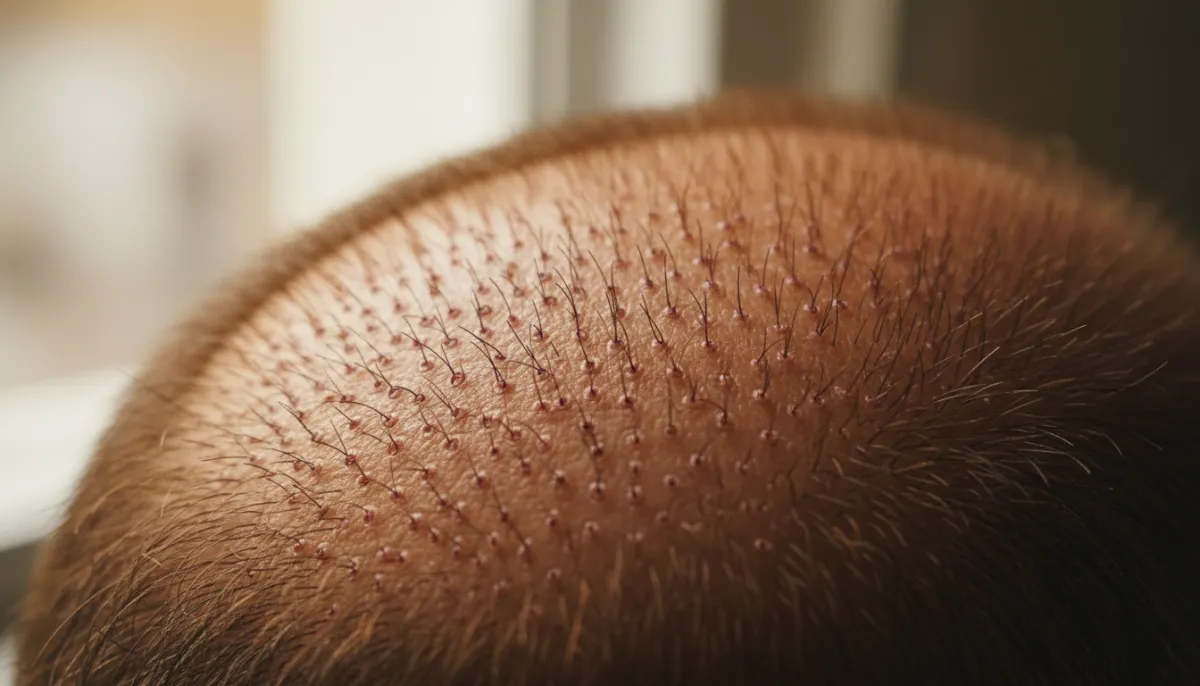
Immediate Post‑Operative (Days 0‑3)
- Scalp may appear red, swollen, and slightly tender.
- Small crusts form around graft sites; they typically fall off within 5‑7 days.
- Gentle rinsing with a prescribed saline solution is recommended to keep the area clean.
Early Healing (Days 4‑14)
- Scabbing diminishes, and the transplanted follicles enter a dormant “shock” phase.
- It is normal to see some shedding of the transplanted hairs; this is called “telogen effluvium.”
- Patients can usually resume light activities, but heavy exercise should be avoided.
Mid‑Term Regeneration (Weeks 3‑8)
- Follicles begin to reactivate, and new hair shafts start to emerge.
- Scalp sensitivity continues to decrease, and most crusts have resolved.
- Sun protection becomes crucial to prevent pigment changes.
Long‑Term Growth (Months 3‑12)
- Visible hair density improves steadily; full results may take up to 18 months.
- Any residual redness fades, and the scalp returns to its natural texture.
- Ongoing maintenance, such as topical minoxidil or PRP sessions, can enhance thickness.
Post‑Procedure Care: Do’s and Don’ts
Proper after‑care is the cornerstone of a smooth hair transplant healing process. Small adjustments in daily habits can dramatically reduce complications and support graft survival.
Do’s
- Keep the scalp clean: Follow your surgeon’s rinsing schedule, typically twice daily with lukewarm water and a mild, fragrance‑free shampoo.
- Maintain a balanced diet rich in protein, iron, and vitamins A, C, and E to nourish new follicles.
- Apply a prescribed antibiotic ointment or anti‑inflammatory spray as directed to prevent infection.
- Sleep with your head elevated (30‑45°) for the first few nights to minimize swelling.
Don’ts
- Avoid touching or scratching the graft sites; this can dislodge fragile follicles.
- Refrain from intense physical activity, heavy lifting, or sauna use for at least two weeks.
- Do not expose the scalp to direct sunlight or UV lamps without a broad‑spectrum sunscreen (SPF 30+).
- Skip alcohol and smoking for at least a month, as they impair blood flow and healing.
Adhering to these guidelines not only speeds up recovery but also improves the overall aesthetic outcome of the transplant.
Managing Common Side Effects and When to Seek Help
While most patients experience mild discomfort, certain side effects warrant closer attention. Recognizing the difference between normal healing and warning signs is essential.
| Side Effect | Typical Duration | When to Contact a Professional |
|---|---|---|
| Redness & Swelling | 1‑3 days | If swelling worsens after 48 hours or is accompanied by severe pain. |
| Crusting & Scabbing | 5‑10 days | If crusts become hard, painful, or start to bleed. |
| Itching | First 2 weeks | Persistent itching after 10 days or signs of infection. |
| Infection (pus, foul odor) | Variable | Immediately; start antibiotics as prescribed. |
| Unexpected Hair Loss | Weeks 2‑4 | Excessive shedding beyond normal telogen phase. |
Typical sensations such as mild itching, temporary redness, and light shedding are normal parts of the hair transplant healing process. However, signs of infection, persistent pain, or sudden, extensive graft loss should prompt a prompt visit to your clinic.
Timeline for Visible Results and Long‑Term Growth
Patience is a virtue when it comes to hair restoration. The visible milestones align with the biological cycle of hair follicles.
Month 1‑2: Shedding Phase
Most transplanted hairs fall out during this period, a normal response as follicles enter the resting phase. This can be unsettling, but it signals that the grafts are preparing for new growth.
Month 3‑4: Early Growth
Fine, non‑pigmented hairs begin to emerge. They may appear thin, but they will thicken over the following months.
Month 6‑9: Consolidation
Hair density improves noticeably. At this stage, many patients can style their hair as they wish, though the final shape may still be refining.
Month 12‑18: Full Maturation
Grafts reach their maximum thickness and natural curvature. Long‑term maintenance, such as occasional PRP or topical treatments, can further enhance the result.
Understanding this timeline helps you set realistic expectations and avoid premature judgments about the success of your procedure.
Frequently Overlooked Factors That Influence Healing
Beyond the standard after‑care checklist, several subtle factors can impact how quickly and effectively your scalp recovers.
- Scalp Microneedling: Performed after the initial healing phase, it can stimulate blood flow and improve graft uptake.
- Stress Management: Elevated cortisol levels may delay wound healing; mindfulness or light yoga can be beneficial.
- Hydration: Adequate water intake supports cellular regeneration and reduces crust formation.
- Medication Review: Certain anti‑inflammatory drugs (e.g., ibuprofen) can interfere with platelet function; consult your surgeon about alternatives.
- Seasonal Considerations: Cooler, low‑humidity climates tend to reduce post‑operative swelling compared with hot, humid environments.
Incorporating these considerations into your recovery plan can give you a subtle edge, leading to smoother healing and potentially richer hair density.
Why Choose Gold City Medical Center for Your Hair Transplant
Gold City Medical Center combines cutting‑edge technology with a holistic approach to ensure each patient experiences a safe and effective hair transplant healing process. Our team of certified surgeons specializes in both follicular unit extraction and advanced graft preservation techniques, delivering natural‑looking results with minimal downtime. By integrating medical expertise, personalized after‑care protocols, and state‑of‑the‑art facilities, we provide a seamless journey from consultation to long‑term maintenance.
Ready to start your transformation? Contact Gold City Medical Center today to schedule a personalized consultation and take the first step toward confident, lasting results.
Call us or fill out the online form – our specialists are here to guide you through every stage of the hair transplant healing process.
FAQ
What are the stages of hair transplant recovery?
Recovery is divided into four stages: immediate post‑operative (0‑3 days), early healing (4‑14 days), mid‑term regeneration (weeks 3‑8), and long‑term growth (months 3‑12).
How should I care for my scalp after a hair transplant?
Follow gentle cleaning, keep the scalp elevated, use prescribed ointments, maintain a balanced diet, and avoid heavy exercise, sun, alcohol, and smoking.
When is it normal to experience hair shedding after a transplant?
Shedding typically occurs during weeks 2‑4 as transplanted hairs enter a resting phase, known as telogen effluvium.
What side effects require immediate medical attention?
Seek help for worsening swelling after 48 hours, painful or bleeding crusts, persistent itching, signs of infection, or sudden extensive graft loss.
How long does it take to see full results from a hair transplant?
Full maturation can take up to 12‑18 months, with noticeable density improvements starting around month 6.
Are there any overlooked factors that can improve healing?
Yes—scalp microneedling, stress management, proper hydration, medication review, and climate considerations can all aid recovery.





