Understanding how to cleanse your colon is the first step toward better digestive health. Many people experience occasional bloating, irregular bowel movements, or low energy, and they wonder whether a colon cleanse could help. Recent studies suggest that up to 30% of adults experience mild constipation at least once a year, highlighting a common need for effective gut support.
In this article, we explore the science behind colon cleansing, outline natural home methods, discuss professional options, and provide practical lifestyle tips to maintain a healthy colon. Whether you’re considering a gentle dietary reset or a more intensive colonic irrigation, the information here will help you make an informed decision.
We’ll also address common concerns such as the safety of coffee enemas, the role of magnesium citrate for constipation, and when a colonoscopy prep drink is necessary. By the end, you’ll have a clear roadmap for supporting your digestive system without compromising your overall health.
Understanding Colon Health and the Need for Cleansing
The colon, or large intestine, plays a crucial role in absorbing water and electrolytes while forming solid waste. When waste material lingers too long, it can lead to discomfort, unwanted odors, and even nutrient depletion. Recognizing the signs that indicate a need for a colon cleanse can prevent more serious issues.
Typical indicators include:
- Frequent bloating or gas
- Irregular bowel movements (hard stools or constipation)
- Low energy and sluggish digestion
- Skin issues such as acne or eczema that may be linked to gut health
While occasional discomfort is normal, persistent symptoms may suggest an underlying imbalance. A gentle gut cleanse can help reset the microbiome, improve fecal transit, and promote overall well‑being. However, it’s essential to differentiate between a short‑term detox and a medically supervised colon hydrotherapy session.
Below is a quick comparison of common approaches:
| Method | Typical Duration | Intensity | Medical Supervision Needed |
|---|---|---|---|
| Dietary Fiber Boost | 1–2 weeks | Low | No |
| Coffee Enema | Single session | Medium | Recommended |
| Colonic Irrigation | 30–45 minutes per session | High | Yes |
Natural Methods to Cleanse the Colon at Home
Many individuals prefer non‑invasive techniques before seeking professional help. Below are evidence‑based, natural strategies that support a healthy colon without harsh chemicals.
1. Increase Dietary Fiber
Fiber adds bulk to stool, promoting regularity. Aim for 25–30 g of fiber daily from sources such as:
- Whole grains (oats, brown rice)
- Legumes (lentils, chickpeas)
- Fruits (berries, apples with skin)
- Vegetables (broccoli, carrots, leafy greens)
2. Hydration
Water softens stool and aids fiber function. Drinking at least 2 liters of plain water per day is recommended.
3. Magnesium Citrate for Constipation
Magnesium citrate is an osmotic laxative that draws water into the intestines, easing passage. A typical dose is 240 ml of the liquid solution, but consult a healthcare professional before use.
4. Coffee Enema (with Caution)
Some people use a coffee enema as a short‑term detox. The caffeine may stimulate colonic muscles, but improper technique can cause irritation. If you choose this route, follow strict sterile protocols and limit use to occasional sessions.
5. Juice Cleanse
Fresh vegetable juices, especially those rich in chlorophyll (e.g., kale, spinach), can support detoxification. Pair a short juice cleanse (1‑2 days) with plenty of water to avoid dehydration.
Below is a sample high‑fiber meal plan:
| Meal | Fiber (g) | Key Ingredients |
|---|---|---|
| Breakfast | 8 | Oatmeal with berries and flaxseed |
| Lunch | 10 | Quinoa salad with chickpeas, avocado, and mixed greens |
| Dinner | 12 | Grilled salmon, steamed broccoli, and sweet potato |
Professional Colon Cleansing Options
When home methods are insufficient, medical professionals offer targeted procedures that safely flush the colon. These options are performed under controlled conditions, reducing the risk of complications.
Colonic Irrigation (Colonic Hydrotherapy)
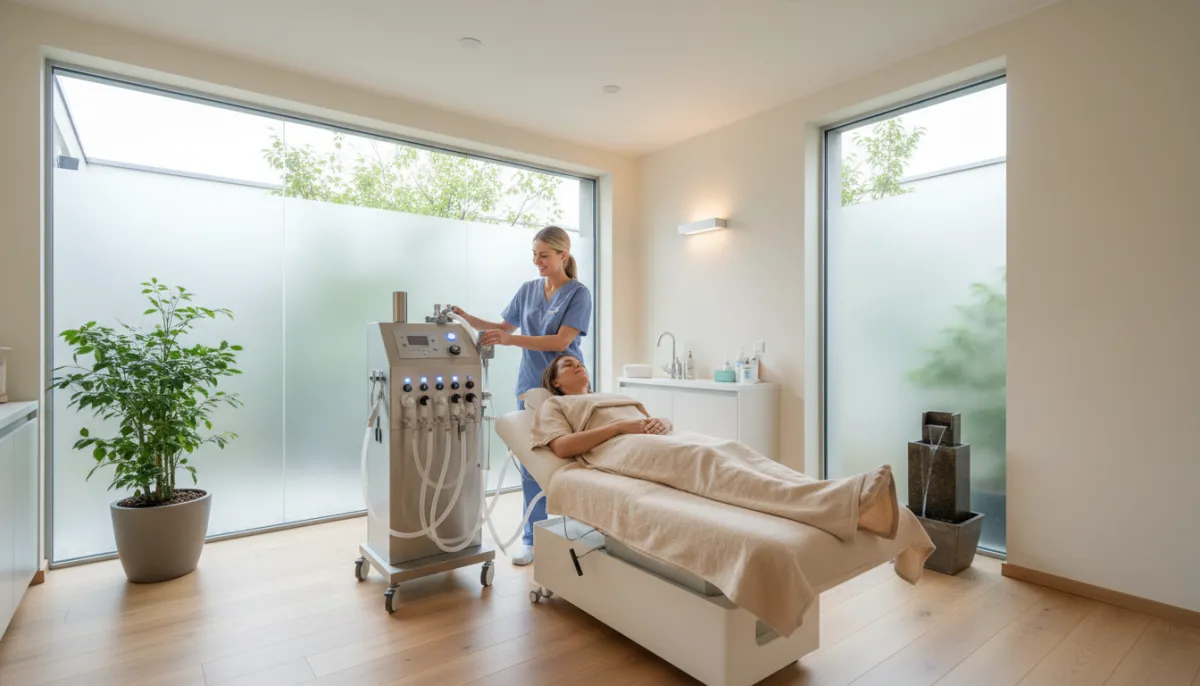
Colonic irrigation involves gently infusing filtered, lukewarm water into the colon via a small, disposable tube. The process helps remove accumulated waste and may improve gut motility. Sessions typically last 30–45 minutes and are repeated 2–3 times per week for a short course.
Colonoscopy Prep Drink
For diagnostic colonoscopies, a special prep drink containing polyethylene glycol (PEG) is prescribed. This solution clears the bowel thoroughly, ensuring clear visualization. While not a routine cleanse, it demonstrates the effectiveness of a thorough bowel preparation.
Magnesium Citrate Laxative (Medical Grade)
In a clinical setting, magnesium citrate is administered in precise doses to treat severe constipation. It is fast‑acting and generally well‑tolerated when monitored.
Comparison of professional methods:
| Procedure | Duration | Cost (Approx.) | Typical Frequency |
|---|---|---|---|
| Colonic Irrigation | 30–45 min | $80–$120 per session | 2–3 times/week (short course) |
| Colonoscopy Prep Drink | 1 day (overnight) | Included with colonoscopy | Once before procedure |
| Medical‑grade Magnesium Citrate | Rapid (within hours) | $20–$40 | As needed under supervision |
Lifestyle Practices for Ongoing Colon Maintenance
Maintaining a healthy colon is a lifelong commitment. Integrating simple habits into daily life can sustain the benefits of any cleansing regimen.
Balanced Diet
Continue consuming a diet rich in fiber, lean proteins, and healthy fats. Include fermented foods such as yogurt, kefir, and sauerkraut to nurture beneficial gut bacteria.
Regular Physical Activity
Exercise stimulates intestinal muscles, promoting regular bowel movements. Aim for at least 150 minutes of moderate aerobic activity each week.
Mindful Hydration
In addition to water, herbal teas (e.g., peppermint, ginger) can aid digestion and reduce inflammation.
Avoid Processed Foods and Excess Sugar
Highly processed foods can disrupt the microbiome and slow transit time. Limiting refined sugars and artificial additives supports a cleaner colon.
Key habits at a glance:
- Eat 5–7 servings of fruits and vegetables daily
- Include whole grains and legumes in every meal
- Drink 2–3 liters of water
- Exercise regularly
- Limit alcohol and caffeine intake
Potential Risks and When to Seek Medical Advice
While many colon cleansing methods are safe, certain practices can cause complications if misused. Understanding the warning signs helps you avoid adverse effects.
Red flags include:
- Severe abdominal pain or cramping
- Persistent diarrhea lasting more than 48 hours
- Blood in stool
- Unexplained weight loss
If you experience any of these symptoms, consult a healthcare professional promptly. Individuals with underlying conditions such as inflammatory bowel disease, heart disease, or electrolyte imbalances should avoid aggressive cleanses without medical supervision.
Professional evaluation may involve a colonoscopy, stool tests, or imaging studies to rule out serious pathology. In some cases, a gentle colon hydrotherapy prep under physician guidance can be safely incorporated into a broader treatment plan.
Why Choose Gold City Medical Center
Gold City Medical Center combines integrative medicine with cutting‑edge technology to provide personalized colon health solutions. Our team of experienced physicians and certified therapists tailors each program—whether a gentle dietary reset or a comprehensive colonic irrigation—to your unique needs. With a focus on safety, comfort, and evidence‑based care, we help you achieve lasting digestive wellness.
Ready to revitalize your digestive health? Contact Gold City Medical Center today to schedule a personalized consultation and discover the most suitable colon cleansing approach for you.
Take the first step toward a cleaner, healthier colon—your body will thank you.
FAQ
What are the safest natural methods to cleanse the colon?
Safe natural methods include increasing dietary fiber, staying well‑hydrated, using magnesium citrate under guidance, and short‑term juice cleanses.
Is a coffee enema safe for colon cleansing?
Coffee enemas can stimulate colonic muscles but carry risks if performed incorrectly; they should be used sparingly and with sterile technique.
How does colonic irrigation differ from a colonoscopy prep drink?
Colonic irrigation uses filtered water to flush the colon in a clinical setting, while a colonoscopy prep drink uses polyethylene glycol solution to clear the bowel for diagnostic imaging.
When should I seek medical advice before attempting a colon cleanse?
Seek medical advice if you have severe abdominal pain, persistent diarrhea, blood in stool, unexplained weight loss, or chronic conditions like IBD or heart disease.
What role does magnesium citrate play in treating constipation?
Magnesium citrate acts as an osmotic laxative, drawing water into the intestines to soften stool and promote bowel movements.





