Many women notice thinning hair due to menopause as a noticeable change in their appearance. This article explains why this happens, what underlying factors are involved, and how you can address the issue with evidence‑based solutions. According to recent dermatology surveys, up to 40 % of women experience noticeable hair loss during the menopausal transition, making it one of the most common cosmetic concerns of this life stage.
We will explore the hormonal shifts that trigger hair follicle mini‑aturization, identify lifestyle and nutritional contributors, and review both medical and non‑medical interventions that can restore volume and confidence. Whether you are just beginning to see subtle shedding or are dealing with more pronounced thinning, understanding the root causes empowers you to choose the most effective treatment path.
Throughout the article, you will find practical tips, a clear overview of treatment options offered by Gold City Medical Center, and guidance on when professional help is advisable. Let’s begin by demystifying the biology behind menopausal hair changes.
Understanding Hormonal Changes and Hair Health
The transition into menopause is marked by a steady decline in estrogen and progesterone production. These hormones normally prolong the growth phase (anagen) of the hair cycle, promoting thicker, stronger strands. When estrogen levels fall, the relative influence of androgens such as testosterone becomes more pronounced, leading to a shift toward shorter, finer hairs—a process known as androgenetic alopecia in women.
Key hormonal mechanisms include:
- Reduced estrogen → shorter anagen phase.
- Increased dihydrotestosterone (DHT) binding to hair follicle receptors.
- Altered scalp microcirculation affecting nutrient delivery.
These changes often coincide with other menopausal symptoms like hot flashes and mood swings, creating a feedback loop that can exacerbate hair shedding. Recognizing that hair loss is a hormonal symptom, not merely a cosmetic flaw, is essential for selecting targeted therapies.
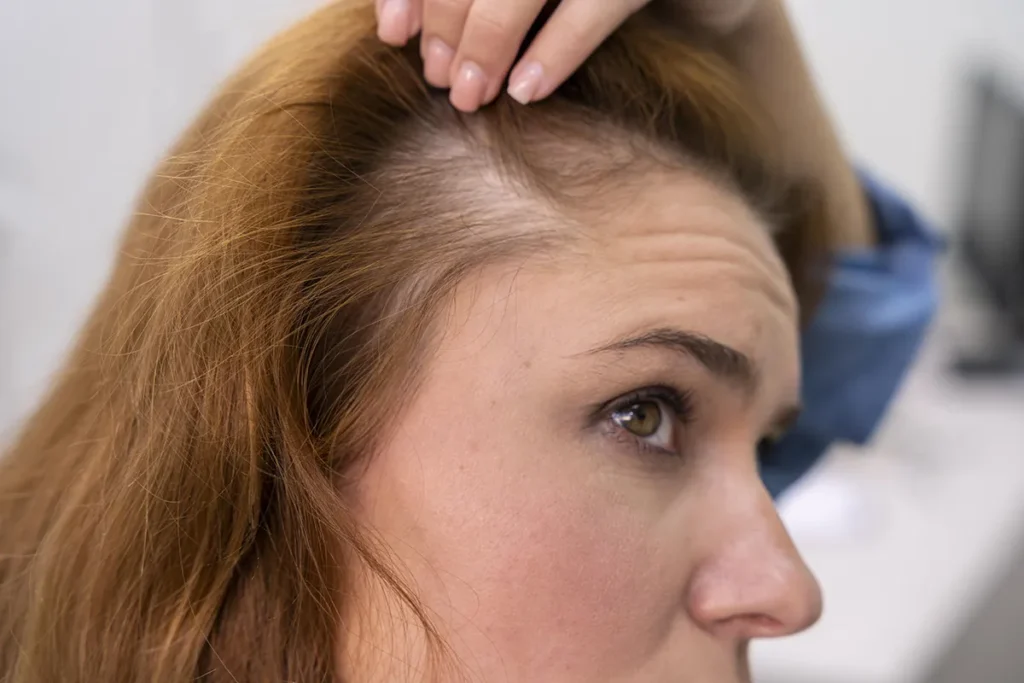
Common Causes of Menopausal Hair Thinning
While hormonal decline is the primary driver, several secondary factors can intensify hair thinning in women during menopause:
| Factor | How It Contributes |
|---|---|
| Iron Deficiency | Limits oxygen delivery to follicles, accelerating shedding. |
| Thyroid Imbalance | Disrupts the hair growth cycle, leading to diffuse loss. |
| Stress & Cortisol | Triggers telogen effluvium, a temporary but noticeable shedding. |
| Medications (e.g., antihypertensives) | Some drugs interfere with follicle metabolism. |
| Improper Hair Care | Excessive heat, tight hairstyles, and harsh chemicals weaken strands. |
Addressing these contributors often yields visible improvement before more intensive treatments are considered. For instance, correcting iron deficiency through diet or supplements can reduce shedding within 3–4 months. Similarly, optimizing thyroid function with appropriate medication can restore a healthy hair cycle.
Effective Medical Treatments Available
When lifestyle adjustments are insufficient, medical interventions can provide significant regrowth. Gold City Medical Center offers a range of evidence‑based options tailored to the individual’s hormonal profile and scalp condition.
Topical Minoxidil
Minoxidil 5 % solution or foam is the only FDA‑approved topical treatment for female pattern hair loss. Clinical studies report a 30–45 % increase in hair density after six months of consistent use. It works by widening blood vessels, enhancing nutrient flow to follicles.
Oral Anti‑Androgens
Medications such as spironolactone or finasteride reduce DHT binding, slowing follicle mini‑aturization. These are prescribed after a thorough hormonal assessment to ensure suitability and monitor potential side effects.
Platelet‑Rich Plasma (PRP) Therapy
PRP involves injecting concentrated platelets from the patient’s own blood into the scalp, stimulating growth factors that promote follicular regeneration. A typical protocol consists of three sessions spaced one month apart, followed by maintenance every 6–12 months.
Low‑Level Laser Therapy (LLLT)
LLLT devices emit red light wavelengths that improve cellular metabolism within hair follicles. Studies indicate a modest but measurable increase in hair thickness after 12 weeks of regular use.
Below is a quick comparison of these treatments:
| Treatment | Mechanism | Typical Timeline for Results | Key Considerations |
|---|---|---|---|
| Minoxidil | Vasodilation & follicle stimulation | 4–6 months | Requires daily application, possible scalp irritation. |
| Spironolactone | Anti‑androgenic effect | 3–6 months | Monitor blood pressure and potassium levels. |
| PRP | Growth factor release | 2–4 months | Minimally invasive, cost per session. |
| LLLT | Cellular metabolism boost | 3–5 months | Home devices available, consistent use needed. |
Choosing the right protocol involves a personalized consultation, blood work, and scalp analysis—services that Gold City Medical Center provides in a single, integrative visit.
Lifestyle and Nutritional Strategies to Support Hair Growth
Even the most advanced medical treatments work best when paired with supportive lifestyle habits. Below are evidence‑based recommendations that can help mitigate hair thinning during menopause:
- Balanced Diet: Prioritize protein, omega‑3 fatty acids, zinc, and biotin. Foods such as salmon, walnuts, lentils, and eggs provide essential building blocks for keratin production.
- Vitamin D & Calcium: Deficiency is common post‑menopause and linked to hair follicle dysfunction. A daily supplement of 800–1000 IU vitamin D is often advised.
- Stress Management: Practices like mindfulness meditation, yoga, or gentle aerobic exercise lower cortisol, reducing telogen effluvium risk.
- Scalp Care: Use sulfate‑free shampoos, avoid excessive heat styling, and incorporate gentle scalp massages to improve circulation.
- Sleep Hygiene: Aim for 7–9 hours of restorative sleep; growth hormone peaks during deep sleep and aids tissue repair.
Adopting these habits not only supports hair health but also contributes to overall well‑being during the menopausal transition. For personalized nutrition plans, Gold City Medical Center’s integrative team can design a regimen that aligns with your medical profile.
When to Seek Professional Help and What to Expect
If you notice persistent shedding—more than 100 hairs per day—or visible thinning along the crown or frontal hairline, it’s time to schedule a consultation. Early intervention improves outcomes, especially when hormonal therapies are combined with regenerative treatments.
During your first visit to Gold City Medical Center, the following steps are typical:
- Comprehensive Assessment: Medical history, menstrual timeline, and symptom review.
- Laboratory Testing: Blood panels for iron, ferritin, thyroid hormones, vitamin D, and androgen levels.
- Scalp Examination: Trichoscopy to evaluate follicle density and mini‑aturization patterns.
- Treatment Planning: Tailored protocol that may combine topical, oral, and procedural options.
- Follow‑Up Schedule: Regular monitoring every 3–6 months to adjust therapy as needed.
Patients often report noticeable improvement within 3–4 months of initiating therapy, with continued progress up to 12 months. The integrative approach ensures that underlying health issues are addressed alongside cosmetic goals.
Why Choose Gold City Medical Center
Gold City Medical Center combines advanced dermatology, endocrinology, and aesthetic expertise to deliver comprehensive solutions for menopausal hair thinning. Our team follows an integrative protocol that assesses hormonal balance, nutritional status, and scalp health before recommending targeted treatments such as PRP, minoxidil, or anti‑androgen therapy. With state‑of‑the‑art facilities and a patient‑centered approach, we help women regain confidence and achieve lasting hair density.
Ready to restore your hair’s fullness and confidence? Contact Gold City Medical Center today to schedule a personalized assessment and start your journey toward healthier, thicker hair.
FAQ
What causes hair thinning during menopause?
Hair thinning during menopause is mainly driven by a drop in estrogen and progesterone, which shortens the hair growth phase and allows androgens like DHT to dominate.
How does hormonal change affect hair growth?
Lower estrogen shortens the anagen phase, while higher relative androgen levels increase DHT binding, leading to follicle mini‑aturization and finer hair.
What medical treatments are effective for menopausal hair loss?
Effective options include topical minoxidil, oral anti‑androgens like spironolactone, platelet‑rich plasma (PRP) therapy, and low‑level laser therapy (LLLT).
Can lifestyle and nutrition help improve thinning hair in menopause?
Yes, a balanced diet rich in protein, omega‑3s, zinc, biotin, vitamin D, and stress‑reduction practices can support hair growth.
When should I see a doctor for hair loss during menopause?
If you lose more than 100 hairs a day, notice persistent thinning, or experience rapid shedding, schedule a consultation promptly.
What is PRP therapy and how does it work for hair restoration?
PRP therapy injects concentrated platelets from your own blood into the scalp to release growth factors that stimulate follicle regeneration.
Is minoxidil safe for women experiencing menopause‑related hair loss?
Yes, minoxidil 5 % is FDA‑approved for female pattern hair loss and is generally safe when used as directed.





