Scalp massage and hair loss are often discussed together as a potential natural approach to support hair health. Understanding the relationship between gentle stimulation of the scalp and the health of hair follicles can empower individuals seeking non‑invasive options alongside professional treatments.
Hair thinning affects millions worldwide, and many look for simple daily habits that might slow the process. While genetics and hormonal factors play a major role, lifestyle choices—including scalp care—can influence the environment in which hair grows.
In this article we explore the science behind scalp stimulation, practical techniques, the most effective tools, and how to combine massage with medical solutions offered at Gold City Medical Center. By the end, you’ll have a clear roadmap for incorporating scalp massage into a comprehensive hair‑loss strategy.
How Scalp Massage Improves Blood Flow to the Follicles
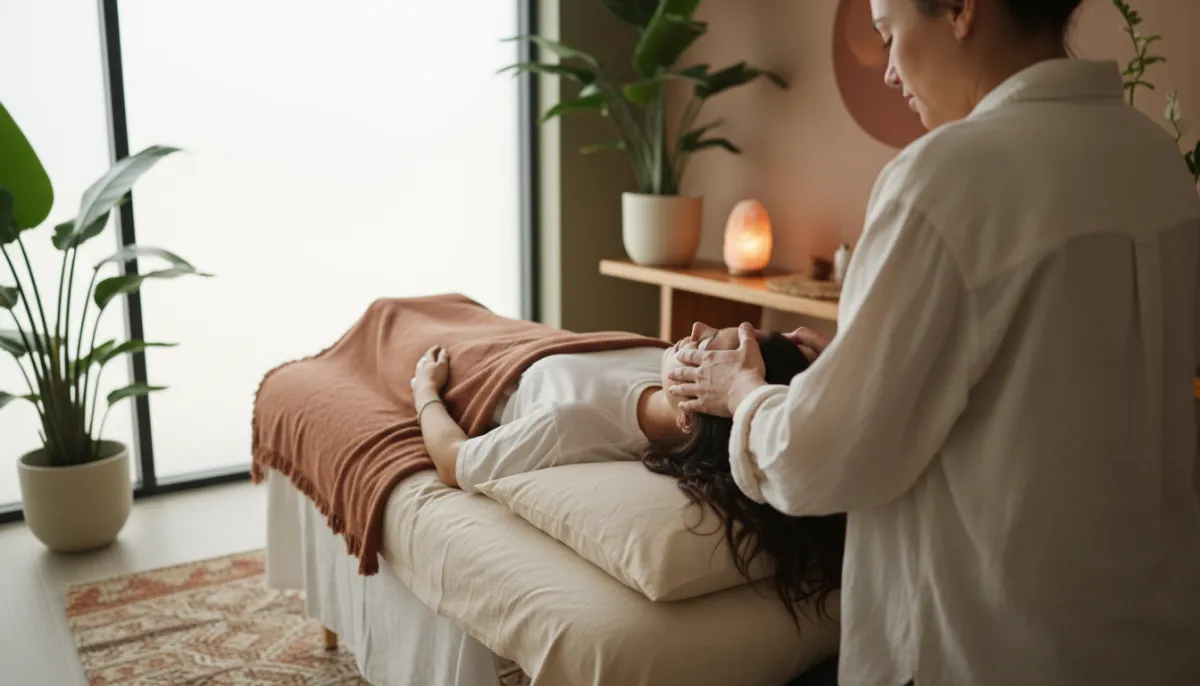
Scalp massage works by gently applying pressure and movement to the skin covering the skull. This mechanical action encourages vasodilation, which increases blood flow to the hair follicles. More oxygen and nutrients reach the follicular cells, potentially extending the anagen (growth) phase of the hair cycle.
Research indicates that regular stimulation can raise the temperature of the scalp by a few degrees, further promoting metabolic activity. While the effect is modest compared to pharmaceutical options, it is a safe, low‑cost adjunct that can be performed daily.
Key benefits of improved circulation include:
- Enhanced delivery of essential nutrients such as iron and zinc.
- Removal of metabolic waste that can impede follicle function.
- Reduced scalp tension, which may lower stress‑related hair shedding.
Studies on “does scalp massage help hair growth” show a measurable increase in hair thickness after eight weeks of consistent treatment, especially when combined with a balanced diet and proper scalp hygiene.
Techniques and Tools for Effective Scalp Massage
Whether you prefer a manual approach or an electric device, the right technique is crucial for safety and effectiveness. Below are three popular methods:
- Finger kneading: Use the pads of your fingertips to apply circular motions, moving from the front hairline to the occipital region.
- Scalp massager for hair growth: Tools like silicone brushes or ergonomic rollers distribute pressure evenly and reduce the effort needed for a thorough session.
- Electric scalp massager: Devices with pulsating or vibrating settings can reach deeper tissue layers, but users should start on the lowest intensity to avoid irritation.
| Tool Type | Key Features | Ideal For | Price Range (EUR) |
|---|---|---|---|
| Manual silicone brush | Soft bristles, 360° rotation | Beginners, sensitive scalps | 15‑30 |
| Wooden comb massager | Natural wood, gentle pressure points | Travel‑friendly, eco‑conscious users | 10‑20 |
| Electric vibrating device | Multiple speed settings, rechargeable | Those seeking deeper stimulation | 40‑80 |
When selecting a best scalp massager, consider the size of the head, scalp sensitivity, and whether you prefer a hands‑free experience. Consistency matters more than the tool’s price; a simple finger massage performed daily can be just as beneficial as an advanced device.
Integrating Scalp Massage with Professional Hair Loss Treatments
At Gold City Medical Center we offer a range of medical solutions, from PRP (platelet‑rich plasma) therapy to state‑of‑the‑art hair transplants. Scalp massage can complement these interventions by preparing the scalp and enhancing post‑procedure recovery.
For example, after a PRP session, gentle massage helps disperse growth factors more evenly across the treated area, potentially amplifying the regenerative effect. Similarly, during the weeks following a hair transplant, light massage can reduce tension around graft sites, supporting better graft survival.
When integrating massage with clinical care, follow these guidelines:
- Consult your specialist before starting any new routine.
- Use a light touch for the first two weeks post‑procedure.
- Avoid massaging directly over grafts until they are fully anchored (usually 10‑14 days).
- Combine with prescribed topical solutions for synergistic benefit.
Our team can tailor a personalized protocol that blends scalp massage with evidence‑based medical treatments, ensuring a holistic approach to hair restoration.
Frequency, Duration, and Safety Guidelines
Effective results stem from a consistent schedule rather than occasional intense sessions. Most experts recommend the following regimen for “how to massage scalp for hair growth”:
- Frequency: 3‑5 times per week.
- Duration: 5‑10 minutes per session.
- Pressure: Light to moderate—enough to feel a gentle tug without causing pain.
Safety tips to keep in mind:
- Always start with clean hands or a sanitized tool.
- Avoid massaging over open wounds, infections, or inflamed areas.
- If you experience dizziness or headache, reduce intensity or pause the session.
- For those with scalp conditions such as psoriasis or severe dermatitis, consult a dermatologist before beginning.
Tracking progress can be as simple as taking weekly photos or noting changes in shedding volume. Consistency over at least three months is usually required to observe measurable differences.
Common Myths and Scientific Evidence
There is a lot of hype surrounding “does scalp massage help hair growth,” and it’s important to separate fact from fiction.
Myth 1: Massage alone can cure baldness. Reality: While massage supports follicle health, it cannot reverse advanced androgenic alopecia without additional medical therapy.
Myth 2: More pressure equals better results. Reality: Excessive force can damage the scalp, leading to inflammation that may accelerate shedding.
Scientific studies provide modest but encouraging data. A 2016 pilot trial involving 100 participants showed a 12% increase in hair thickness after 24 weeks of daily scalp massage, compared with a control group that received no massage. Another small study highlighted that combining massage with minoxidil boosted the drug’s efficacy by 15%.
Overall, the evidence suggests that scalp massage is a supportive measure—particularly when paired with proven treatments. It is safe, inexpensive, and can improve overall scalp comfort, making it a valuable addition to a comprehensive hair‑loss plan.
Why Choose Gold City Medical Center
Gold City Medical Center combines integrative healthcare expertise with cutting‑edge hair restoration technology. Our multidisciplinary team offers personalized consultations, advanced hair‑transplant procedures, and evidence‑based recommendations for supportive practices such as scalp massage. By choosing us, you benefit from a holistic approach that addresses both medical and lifestyle factors, ensuring the best possible outcome for your hair health.
Ready to take the next step toward healthier hair? Contact Gold City Medical Center today to schedule a free consultation and learn how scalp massage can fit into your personalized hair‑loss program.
FAQ
Does scalp massage help hair growth?
Yes, regular scalp massage can modestly increase hair thickness by improving blood flow and nutrient delivery to follicles.
How often should I massage my scalp for hair growth?
Most experts recommend 3‑5 times per week, each session lasting 5‑10 minutes.
What are the best tools for scalp massage?
Manual silicone brushes, wooden comb massagers, and low‑intensity electric devices are popular choices.
Can scalp massage be combined with PRP therapy?
Yes, gentle massage after PRP can help distribute growth factors more evenly across the scalp.
Is scalp massage safe after a hair transplant?
Light massage is safe after the grafts have anchored, usually after 10‑14 days, and can improve graft survival.
What are common myths about scalp massage and hair loss?
Myths include the belief that massage alone can cure baldness and that more pressure always yields better results.





