If you’ve ever wondered what age does male pattern baldness start, you’re not alone. Understanding the timing of hair loss helps men take proactive steps before thinning becomes noticeable. In this article we explore the typical age range, early warning signs, underlying causes, and the most effective interventions available at Gold City Medical Center.
Hair loss can feel sudden, but it often follows a gradual pattern that begins years before the scalp becomes visibly bare. By recognizing subtle changes—such as a receding hairline or increased shedding—you can consult a specialist early, increasing the chance of successful treatment.
We’ll break down the science of androgenetic alopecia, examine genetic and lifestyle influences, and outline diagnostic tools that pinpoint the onset of balding. Finally, we’ll discuss medical and surgical options, including the latest hair‑transplant techniques, so you can make an informed decision about preserving or restoring your hair.
Understanding Male Pattern Baldness
Male pattern baldness, medically known as androgenetic alopecia, is the most common form of hair loss in men. It is driven by a combination of genetic predisposition and the hormone dihydrotestosterone (DHT), which miniaturizes hair follicles over time. While the condition can affect any man, the severity and speed of progression vary widely.
Key factors in the development of androgenetic alopecia include:
- Family history: A strong hereditary component means that men with bald relatives are more likely to experience early hair loss.
- DHT sensitivity: Some follicles are more vulnerable to DHT, leading to faster miniaturization.
- Age-related changes: Hair growth cycles naturally shorten as men age, amplifying the effects of DHT.
Because the process is gradual, the first signs may be subtle—often a slight thinning at the temples or a widening part line. Recognizing these early indicators can help you seek professional advice before the condition advances.
Typical Age Range and Early Signs
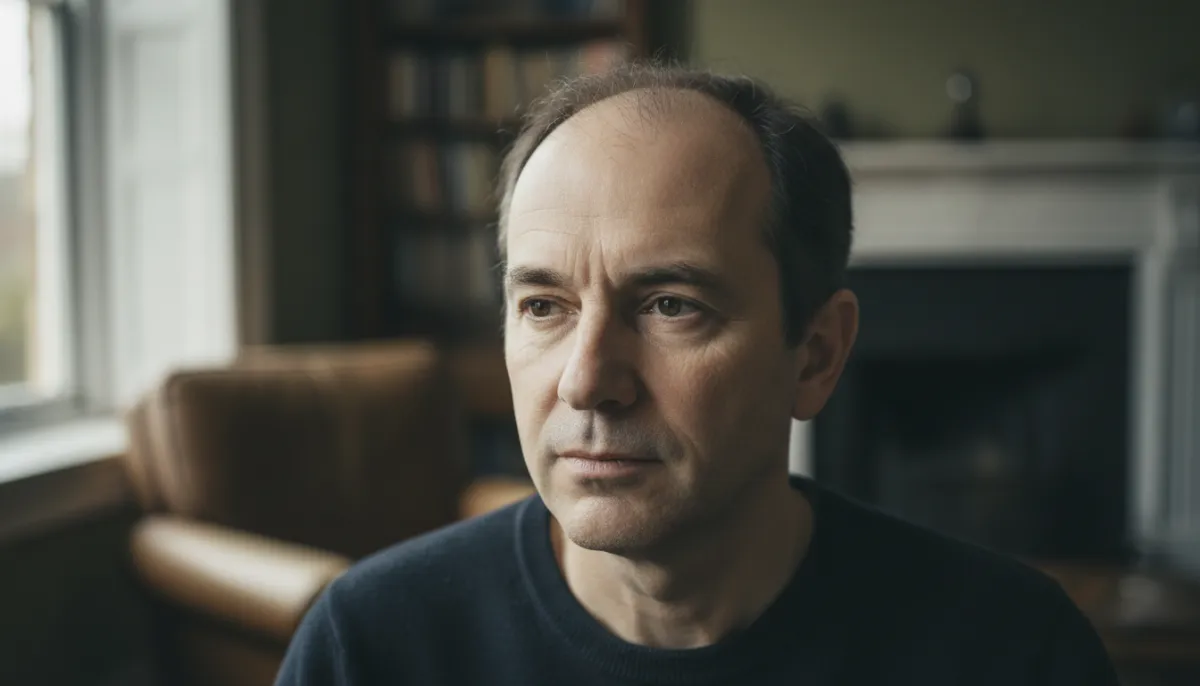
Answering the question of what age does male pattern baldness start involves looking at population studies and clinical observations. On average, men notice the first signs of balding in their late teens to early twenties, with the majority experiencing noticeable recession by age 35. However, the onset can be as early as 12 for some individuals with a strong genetic predisposition.
Early signs to watch for include:
| Sign | Description |
|---|---|
| Receding hairline | Gradual retreat of the frontal hairline, often forming an “M” shape. |
| Thinning crown | Noticeable reduction in density at the top of the head. |
| Increased shedding | More hair than usual on the pillow or in the shower. |
Men who notice these changes before age 25 are more likely to progress to advanced stages by their forties if left untreated. Early intervention, such as topical minoxidil or oral finasteride, can slow the process and sometimes reverse mild thinning.
Factors Influencing the Onset of Baldness
While genetics set the foundation, several other elements can affect when what age does male pattern baldness start becomes apparent. Understanding these factors enables men to modify lifestyle choices that may accelerate hair loss.
Important contributors include:
- Hormonal balance: Elevated DHT levels, often linked to thyroid or adrenal disorders, can hasten follicle miniaturization.
- Nutrition: Deficiencies in iron, zinc, or vitamin D can weaken hair shafts and promote shedding.
- Stress: Chronic stress triggers telogen effluvium, a temporary but noticeable increase in hair fall.
- Medications: Certain drugs, such as anabolic steroids or some antihypertensives, may exacerbate hair loss.
- Scalp health: Conditions like seborrheic dermatitis or fungal infections (e.g., alopecia areata) can compound thinning.
By addressing these variables—through medical evaluation, dietary adjustments, and stress‑management techniques—men can often delay the early onset of balding and improve overall hair health.
Diagnosing Early Hair Loss
When men suspect that what age does male pattern baldness start may be approaching, a thorough diagnostic work‑up is essential. Early diagnosis allows clinicians to tailor treatment plans that target the root causes rather than just the symptoms.
Typical diagnostic steps include:
- Clinical examination: A dermatologist evaluates the pattern of hair loss, checking for a receding hairline or thinning crown.
- Trichoscopy: High‑magnification imaging of the scalp reveals miniaturized follicles and the presence of vellus hairs.
- Blood tests: Hormone panels, iron studies, and thyroid function tests rule out systemic contributors.
- Family history review: Understanding hereditary patterns helps predict future progression.
In some cases, a scalp biopsy may be performed to differentiate androgenetic alopecia from other forms such as alopecia areata or traction alopecia. Early detection is the cornerstone of successful management, and Gold City Medical Center offers state‑of‑the‑art diagnostic tools to assess your specific situation.
Treatment Options for Early‑Stage Baldness
Once the onset of hair loss is confirmed, a variety of treatment pathways become available. For men asking what age does male pattern baldness start, it’s reassuring to know that early‑stage interventions can be highly effective.
Medical therapies include:
- Finasteride: An oral DHT blocker that reduces follicle miniaturization.
- Minoxidil: A topical solution that stimulates hair growth and prolongs the anagen phase.
- Low‑level laser therapy (LLLT): Devices that enhance cellular activity in hair follicles.
Surgical options are considered when medical treatments alone are insufficient:
| Procedure | Best For | Typical Recovery |
|---|---|---|
| FUT (Strip Harvest) | Patients needing large graft numbers | 7‑10 days |
| FUE (Follicular Unit Extraction) | Those preferring minimal scarring | 3‑5 days |
| PRP (Platelet‑Rich Plasma) | Adjunct to medical therapy | Same day |
Gold City Medical Center combines these approaches with personalized care plans, ensuring that each patient receives the most appropriate treatment based on age, pattern of loss, and overall health.
Why Choose Gold City Medical Center
Gold City Medical Center blends cutting‑edge medical expertise with a holistic approach to hair health. Our specialists are trained in the latest hair‑restoration techniques, from minimally invasive FUE transplants to advanced pharmacologic therapies. By integrating dermatology, nutrition, and aesthetic care, we provide a comprehensive solution tailored to each individual’s needs. Trust our experienced team to guide you through diagnosis, treatment, and long‑term maintenance, helping you regain confidence and a fuller head of hair.
Ready to take control of your hair future? Contact Gold City Medical Center today for a personalized consultation and discover the most effective strategies to stop hair loss early.
Call us or book an appointment online and start your journey toward lasting confidence.
FAQ
What age does male pattern baldness typically start?
Most men notice the first signs of male pattern baldness in their late teens to early twenties, with many seeing noticeable recession by age 35.
What are the early signs of male pattern baldness?
Early signs include a receding hairline, thinning at the temples, a widening part, and increased shedding.
What factors can influence the onset of male pattern baldness?
Genetics, DHT sensitivity, hormonal balance, nutrition, stress, certain medications, and scalp health all affect when baldness appears.
How is early hair loss diagnosed?
Diagnosis involves a clinical exam, trichoscopy, blood tests, and family‑history review.
What treatment options are available for early‑stage baldness?
Medical therapies like finasteride, minoxidil, and low‑level laser, plus surgical options such as FUT, FUE, and PRP, are used.
Can lifestyle changes delay male pattern baldness?
Yes; improving diet, managing stress, and maintaining scalp health can slow progression.
What role does DHT play in male pattern baldness?
DHT binds to hair‑follicle receptors, shortening the growth cycle and causing follicle miniaturization.
How do FUT and FUE hair transplant procedures differ?
FUT removes a strip of scalp for grafts, leaving a linear scar; FUE extracts individual follicles, leaving tiny dot scars.





