Many men ask themselves, why do men lose hair, and the answer lies in a combination of biology, lifestyle, and health factors. In this article we break down the most common causes, explain how they differ from normal shedding, and outline practical steps you can take to slow or reverse the process. According to recent dermatology research, up to 70% of men will experience noticeable thinning by age 35, making early awareness essential.
We’ll explore hormonal influences, genetic predisposition, environmental triggers, and medical conditions that contribute to hair loss. Understanding the root cause empowers you to choose the right treatment—whether it’s medication, lifestyle changes, or advanced procedures offered at Gold City Medical Center.
By the end of this guide, you’ll have a clear picture of why men lose hair, what signs to watch for, and which solutions are backed by scientific evidence.
Hormonal and Genetic Factors
One of the primary drivers behind why men lose hair is the interplay between genetics and hormones. The most common pattern, known as male pattern baldness or androgenetic alopecia, is inherited and linked to the hormone dihydrotestosterone (DHT). DHT shrinks hair follicles, shortening the growth phase and leading to thinner, shorter hairs over time.
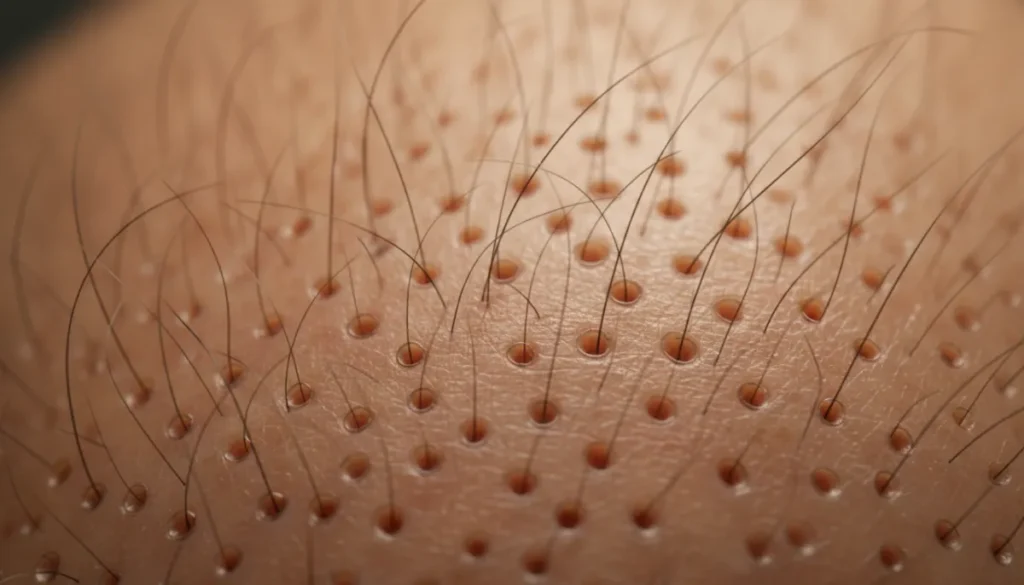
Genetic susceptibility is often identified by a family history of early balding. Men who notice a receding hairline at the temples or thinning at the crown may be experiencing the classic signs of androgenetic alopecia. While the condition is irreversible without intervention, early treatment can preserve existing hair and promote regrowth.
Other hormonal contributors include thyroid imbalances and elevated cortisol levels due to chronic stress. Both can disrupt the normal hair growth cycle, causing diffuse shedding that mimics pattern loss.
Key Hormonal Influences
- DHT: Converts testosterone into a more potent form that attacks follicles.
- Thyroid hormones: Hypothyroidism or hyperthyroidism can lead to diffuse hair loss.
- Cortisol: Chronic stress elevates cortisol, shortening the anagen (growth) phase.
Genetic Risk Assessment
While a definitive genetic test is not routinely required, a simple family questionnaire can help gauge risk. Men with multiple close male relatives who experienced early balding are more likely to develop the condition.
| Age Range | Typical Presentation | Recommended Action |
|---|---|---|
| 15‑25 | Early recession at temples | Consult a dermatologist for DHT‑blocking options. |
| 26‑40 | Thinning crown, receding hairline | Consider topical minoxidil and lifestyle adjustments. |
| 41+ | Significant balding, possible bald spot | Evaluate hair transplant suitability. |
Lifestyle and Environmental Influences
Even with a strong genetic predisposition, lifestyle choices can accelerate or mitigate why men lose hair. Poor nutrition, smoking, and exposure to environmental pollutants all play a role in the health of hair follicles.
Protein is the building block of keratin, the protein that makes up each hair strand. Deficiencies in iron, zinc, and biotin can lead to hair thinning and increased shedding. Additionally, high-glycemic foods may spike insulin, indirectly influencing DHT production.
Smoking reduces blood flow to the scalp, depriving follicles of oxygen and essential nutrients. Studies have shown that smokers are up to 1.5 times more likely to develop male pattern baldness compared to non‑smokers.
Environmental Factors
- UV radiation: Prolonged sun exposure can damage scalp skin and weaken follicles.
- Air pollution: Particulate matter can irritate the scalp, leading to inflammation.
- Harsh hair care: Frequent use of high‑heat styling tools can cause breakage and follicle stress.
Practical Lifestyle Adjustments
Adopting a nutrient‑dense diet, quitting smoking, and protecting the scalp from excessive sun are simple steps that can slow hair loss. Incorporating stress‑reduction techniques such as meditation or regular exercise also helps lower cortisol levels.
| Action | Benefit for Hair | Suggested Frequency |
|---|---|---|
| Consume lean protein & omega‑3s | Strengthens keratin production | Daily |
| Avoid smoking | Improves scalp circulation | Immediate |
| Use sunscreen or hats | Protects follicles from UV damage | When outdoors |
Medical Conditions and Types of Alopecia
Beyond the common genetic pattern, several medical conditions can cause hair loss, answering the question of why do men lose hair in unexpected ways. Autoimmune disorders, infections, and scalp disorders each have distinct presentations.
Alopecia areata is an autoimmune condition where the immune system attacks hair follicles, leading to sudden, round patches of hair loss. Unlike androgenetic alopecia, it can affect any hair-bearing area, including the beard.
Other forms include traction alopecia, caused by chronic pulling from tight hairstyles, and telogen effluvium, a temporary shedding triggered by stress, illness, or medication changes.
Common Alopecia Types
- Androgenetic alopecia: Genetic and hormonal, gradual thinning.
- Alopecia areata: Autoimmune, patchy loss.
- Telogen effluvium: Diffuse shedding after a stressor.
- Traction alopecia: Mechanical damage from styling.
Diagnostic Approach
A thorough assessment includes medical history, scalp examination, and sometimes a biopsy. Blood tests can rule out thyroid disorders or iron deficiency, which are reversible causes of hair loss.
| Alopecia Type | Typical Onset | Key Diagnostic Feature |
|---|---|---|
| Androgenetic alopecia | Late teens‑30s | Patterned recession, family history |
| Alopecia areata | Any age | Round, smooth bald patches |
| Telogen effluvium | After stressor | Diffuse shedding, positive hair pull test |
| Traction alopecia | With tight hairstyles | Hair loss along hairline, history of styling |
Treatment Options and Prevention Strategies
Addressing why men lose hair ultimately means selecting the right treatment plan based on the underlying cause. Options range from topical solutions and oral medications to minimally invasive procedures and surgical transplants.
Minoxidil (topical) and finasteride (oral) are FDA‑approved for male pattern baldness. Minoxidil stimulates follicle blood flow, while finasteride blocks DHT production. Both require consistent use for visible results.
For those with advanced thinning, hair transplantation offers a permanent solution. Techniques such as Follicular Unit Extraction (FUE) harvest healthy follicles from the back of the scalp and implant them into balding areas, achieving natural density.
Non‑Surgical Interventions
- Low‑level laser therapy (LLLT): Improves cellular metabolism in follicles.
- Platelet‑rich plasma (PRP): Uses your own blood platelets to stimulate growth.
- Topical anti‑inflammatory agents: Reduce scalp irritation that can exacerbate loss.
Choosing the Right Path
Consultation with a qualified specialist is essential to determine the cause and appropriate treatment. At Gold City Medical Center, a personalized plan may combine medication, lifestyle coaching, and, when suitable, surgical restoration.
| Treatment | Ideal For | Typical Results Timeline |
|---|---|---|
| Minoxidil 5% | Early to moderate thinning | 3‑6 months |
| Finasteride 1 mg | Genetic pattern loss | 6‑12 months |
| LLLT | Supplemental therapy | 6‑12 months |
| PRP | Inflammatory or diffuse loss | 3‑4 sessions over 6 months |
| FUE Transplant | Advanced balding | Immediate density, full growth by 12‑18 months |
Why Choose Gold City Medical Center
Gold City Medical Center combines cutting‑edge medical expertise with a holistic approach to hair health. Our team of experienced dermatologists and hair restoration surgeons offers personalized assessments, state‑of‑the‑art treatments, and ongoing support to help you achieve lasting results. Whether you are seeking early‑stage interventions or advanced transplantation, we prioritize safety, effectiveness, and patient comfort.
Ready to take control of your hair health? Contact Gold City Medical Center today to schedule a comprehensive evaluation and discover the most effective solution for you.
FAQ
What are the main causes of hair loss in men?
Hair loss in men is mainly caused by genetics, hormones (especially DHT), medical conditions, stress, poor nutrition, and lifestyle factors like smoking.
How does DHT affect hair follicles?
DHT binds to receptors in hair follicles, shortening the growth phase and causing follicles to shrink, leading to thinner hair and eventual loss.
Can lifestyle changes slow down male pattern baldness?
Yes, improving diet, quitting smoking, managing stress, and protecting the scalp from UV can slow progression of male pattern baldness.
What treatment options are available for male hair loss?
Options include topical minoxidil, oral finasteride, low‑level laser therapy, PRP injections, and surgical hair transplantation.
Is hair transplantation a permanent solution for advanced balding?
Yes, hair transplantation permanently relocates resistant donor hairs, providing lasting density once the grafts fully grow.





