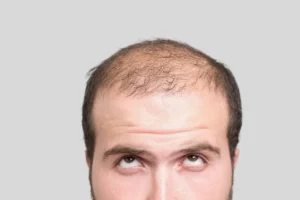
Many patients wonder, do you lose your hair from radiotherapy, and what can be done about it. Radiotherapy is a powerful tool in the fight against cancer, yet its impact on the scalp often raises concerns for those preparing for treatment. Understanding why hair loss occurs, the factors that influence its severity, and how to manage it can help you feel more confident throughout your oncology journey.
In this article we will explore the biological mechanisms behind radiation‑induced hair loss, outline the broader side effects of radiotherapy, and provide practical tips for preserving hair during treatment. We’ll also discuss what to expect after therapy ends, including the timeline for hair regrowth and options for permanent restoration. Whether you are facing a breast, prostate, or head‑and‑neck cancer diagnosis, the information here aims to empower you with knowledge and realistic expectations.
Hair loss is not inevitable for every radiotherapy patient, and many factors—such as dose, treatment field, and individual skin type—play a role. By the end of this guide you will have a clear roadmap for navigating hair‑related concerns while receiving the best possible cancer care.
How Radiotherapy Affects Hair Growth
Radiotherapy works by delivering high‑energy particles to targeted tissues, damaging the DNA of cancer cells. Unfortunately, the same energy can also affect the rapidly dividing cells in hair follicles, leading to temporary or permanent hair loss. The extent of this effect depends on the radiation dose, the area treated, and the duration of therapy.
Mechanism of Radiation on Follicles
Hair follicles go through distinct growth phases: anagen (growth), catagen (transition), and telogen (rest). Radiation primarily impacts follicles in the anagen phase, causing them to enter premature catagen and telogen stages. This disruption results in shedding of hairs and, in some cases, follicular damage that can be irreversible.
- Radiation dose: Higher doses increase the likelihood of follicular injury.
- Treatment area: Scalp exposure leads to more visible hair loss than localized fields.
- Fractionation: Multiple smaller doses may reduce acute hair loss compared to a single large dose.
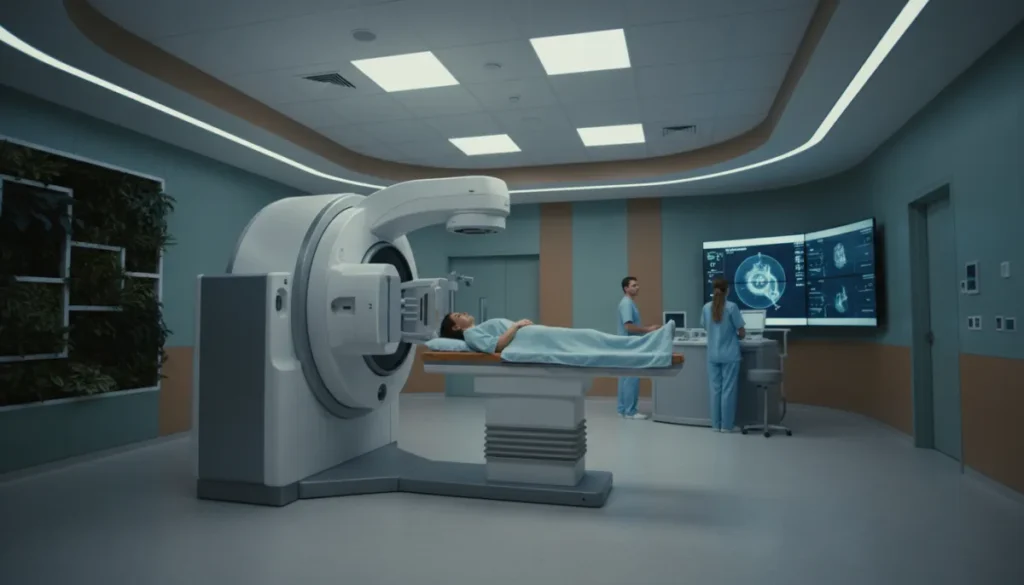
Research shows that up to 70% of patients receiving scalp‑directed radiotherapy experience some degree of hair loss, while those treated for cancers away from the head, such as prostate or breast, report lower rates. This variation underscores why the question do you lose your hair from radiotherapy cannot be answered with a simple yes or no; it is highly individualized.
| Treatment Site | Typical Hair Loss Risk | Average Dose (Gy) |
|---|---|---|
| Scalp / Head‑and‑Neck | High (60‑80%) | 50‑70 |
| Breast (including chest wall) | Moderate (20‑40%) | 40‑50 |
| Prostate | Low (5‑15%) | 70‑80 |
| Abdominal | Minimal (1‑5%) | 45‑55 |
Understanding these risk levels helps patients and clinicians tailor protective measures, such as scalp cooling or precise beam shaping, to minimize unwanted hair loss.
Common Side Effects of Radiotherapy Beyond Hair Loss
While hair loss often captures the most attention, radiotherapy can produce a spectrum of other side effects that affect quality of life. These include skin irritation, fatigue, and organ‑specific reactions depending on the treatment site.
- Skin reactions: Redness, dryness, and peeling in the irradiated area, commonly described as “radiation dermatitis.”
- Fatigue: A persistent tiredness that may last weeks to months after treatment.
- Organ‑specific effects: For example, lung inflammation after thoracic radiation or urinary changes after pelvic radiation.
- Hair loss: As discussed, varies by dose and location.
Patients often ask, does radiation cause hair loss, and the answer is part of a broader context of side effects. Managing these symptoms requires a multidisciplinary approach, involving oncologists, dermatologists, and supportive care teams.
| Side Effect | Typical Onset | Management Strategies |
|---|---|---|
| Skin redness (erythema) | 1‑2 weeks | Gentle skin care, moisturizers, topical steroids if needed |
| Fatigue | During treatment | Balanced rest, light exercise, nutrition support |
| Hair loss | 2‑4 weeks (depends on site) | Scalp cooling, gentle hair care, counseling |
| Organ inflammation | Variable | Medication, monitoring, targeted therapy adjustments |
Addressing these radiation side effects early can reduce discomfort and improve overall treatment tolerance. Patients should report any new symptoms promptly to their care team.
Managing Hair Loss During Radiotherapy
If you are concerned about do you lose your hair from radiotherapy, there are several evidence‑based strategies that can help preserve hair or lessen the emotional impact of shedding.
Scalp Cooling (Cold Caps)
Scalp cooling works by reducing blood flow to hair follicles during radiation exposure, thereby limiting the amount of radiation that reaches them. Clinical trials have shown a reduction in hair loss rates by up to 50% when cold caps are used consistently.
Gentle Hair Care Practices
- Use a mild, sulfate‑free shampoo.
- Avoid heat styling tools such as blow‑dryers and straighteners.
- Brush gently with a wide‑tooth comb.
- Consider wearing loose, breathable head coverings to reduce friction.
Nutrition and Supplements
Maintaining a balanced diet rich in protein, iron, zinc, and vitamins A, C, and E supports overall skin and hair health. Some clinicians recommend biotin or omega‑3 supplements, though you should discuss any additions with your oncologist.
While these measures do not guarantee complete hair preservation, they can significantly improve the patient experience. It is also essential to set realistic expectations: even with protective strategies, some degree of thinning or shedding may still occur.
Hair Regrowth After Treatment: What to Expect
After completing radiotherapy, many patients ask whether their hair will grow back and how long it might take. The timeline for regrowth varies, but most experience some return of hair within 3‑6 months, especially when the radiation dose was moderate and the treatment field did not include the entire scalp.
Typical Regrowth Timeline
- 0‑2 months: Minimal regrowth; scalp may feel dry.
- 3‑6 months: Fine, often lighter‑colored hair begins to appear.
- 6‑12 months: Hair thickens and regains more of its original texture.
- 12+ months: Full regrowth for most patients; occasional patchy areas may persist.
For those who experience permanent follicular damage, hair may never fully return to its pre‑treatment density. In such cases, options like hair transplantation or advanced cosmetic solutions become relevant.
| Radiation Dose (Gy) | Typical Regrowth Outcome | Potential Interventions |
|---|---|---|
| ≤ 30 | Full regrowth within 6‑12 months | None required |
| 31‑50 | Partial regrowth; possible thinning | Topical minoxidil, scalp microneedling |
| > 50 | Risk of permanent loss in high‑dose areas | Hair transplant, cosmetic prosthetics |
Patience and gentle scalp care remain vital during the regrowth phase. Avoid harsh chemicals, limit sun exposure, and consider using a sunscreen formulated for the scalp.
When to Consider Hair Restoration Options
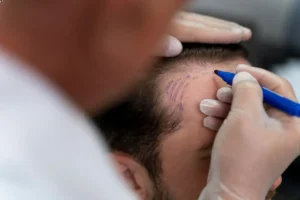
If you find that do you lose your hair from radiotherapy has resulted in lasting thinning or bald patches, exploring restorative solutions can be a proactive step toward confidence and self‑esteem. Modern hair transplantation techniques, such as follicular unit extraction (FUE), can provide natural‑looking results even after radiation exposure, provided the scalp has healed sufficiently.
Eligibility for Hair Transplant
- Completed radiotherapy at least 12 months prior.
- Stable scalp condition with no active inflammation.
- Adequate donor hair density in unaffected areas.
Consultation with a specialist can determine whether your scalp health meets these criteria. In cases where transplant is not viable, options like scalp micropigmentation or custom wigs offer aesthetically pleasing alternatives.
Gold City Medical Center’s integrative approach ensures that hair restoration is coordinated with your overall health plan, taking into account any ongoing oncologic follow‑up and the need for continued skin monitoring.
Why Choose Gold City Medical Center
Gold City Medical Center combines cutting‑edge oncology expertise with comprehensive cosmetic and hair restoration services. Our multidisciplinary team coordinates radiotherapy, supportive care, and post‑treatment hair solutions to ensure a seamless patient experience. With state‑of‑the‑art equipment, personalized treatment plans, and a commitment to holistic well‑being, we help patients navigate the challenges of cancer therapy while preserving their confidence and quality of life.
Ready to discuss your treatment plan and hair‑preservation options? Contact Gold City Medical Center today to schedule a personalized consultation. Let us support you every step of the way toward recovery and renewed confidence.
FAQ
Do you lose your hair from radiotherapy?
Hair loss can occur during radiotherapy, especially when the scalp is within the treatment field, but it is not inevitable for every patient.
Does radiation cause hair loss?
Yes, radiation can cause hair loss by damaging hair follicle cells, but the extent varies with dose and treatment location.
How does scalp cooling help prevent hair loss during radiotherapy?
Scalp cooling reduces blood flow to hair follicles during radiation, limiting the amount of radiation that reaches them and decreasing hair loss rates.
What is the typical timeline for hair regrowth after radiotherapy?
Hair usually begins to regrow within 3‑6 months after radiotherapy, with full regrowth often achieved by 12 months, depending on dose and treatment field.
What are the options for permanent hair restoration after radiation damage?
For permanent hair loss, options include hair transplantation (FUE), scalp microneedling, topical minoxidil, and cosmetic prosthetics such as wigs or hairpieces.